
Trees
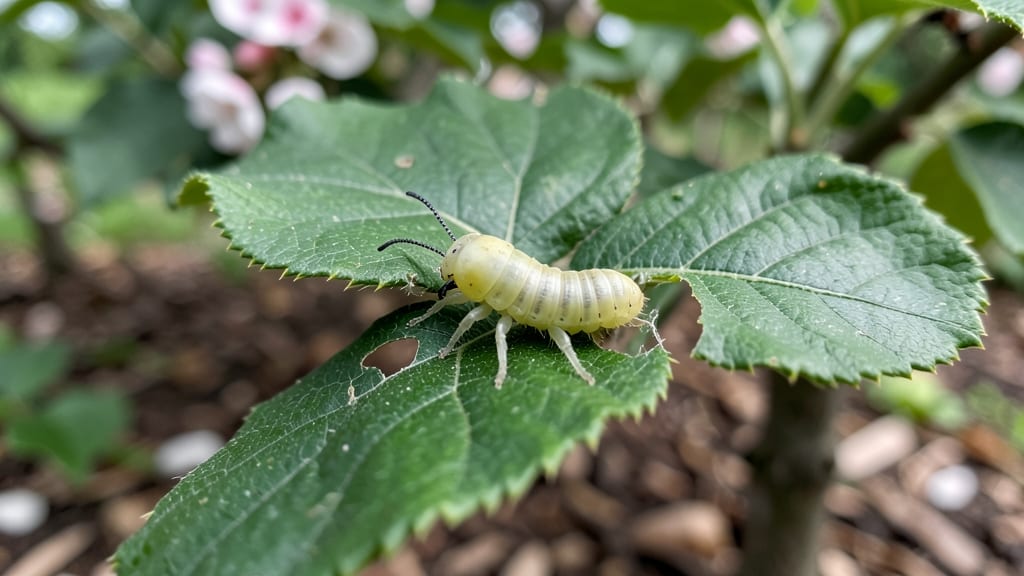
Bugs eating your apple tree leaves can turn a promising harvest into a skeleton of branches before you know it. 🌿 I’ve watched caterpillars strip entire trees in weeks, and the key to stopping them isn’t just spraying—it’s understanding which bugs are attacking and how to outsmart them organically.
The worst offenders—aphids, tent caterpillars, and leafrollers—each leave telltale signs: curled leaves, sticky residue, or webs. The good news? Early action with neem oil or soapy water sprays (mixed right) can save your tree before damage becomes permanent.
I’ve used these methods for years, and they work even on mature trees.
You’ll learn to spot the pests before they become a problem, prune strategically to remove hiding spots, and time your treatments for maximum effectiveness. By the end, your tree won’t just survive—it’ll thrive, with full foliage and fruit come harvest season.
This works for backyard orchards, container-grown trees, and even urban landscapes. Let’s get your apple tree back to healthy, leafy glory—without harsh chemicals.
Root Causes Of Leaf Munching
Apple trees are a feast for many hungry pests, but understanding why these critters target your tree’s leaves is the first step to stopping them. Here’s a breakdown of the key reasons behind this leafy buffet—and how nature and human activity set the stage.
Apple tree leaves are packed with nitrogen, sugars, and amino acids, making them a high-calorie snack for insects. Unlike tougher plant tissues, leaves are soft, easy to digest, and often the primary food source for larvae and adults.
Some pests, like the codling moth or apple aphid, are even chemically attracted to the tree’s volatile organic compounds (VOCs) released during leaf growth. Think of it like a neon "Eat Me" sign for bugs!
Why it escalates:
- Young, tender leaves (especially in spring) are more vulnerable.
- Stressed trees (drought, poor soil, or disease) produce even more nutrient-dense leaves as a survival tactic.
- Over-fertilization with nitrogen can make leaves too appealing, triggering an infestation.
Many leaf-eating pests have strict developmental stages that rely on apple trees.
For example: - Caterpillars (e.g., tent caterpillars, gypsy moths) hatch in spring and must feed on fresh leaves to survive their first weeks. - Aphids and mites reproduce rapidly on new growth, creating colonies that explode in size within days. - Adult beetles (like Japanese beetles) lay eggs in soil, and their larvae later target roots and leaves as they mature.
The domino effect: If you miss one stage (e.g., ignoring egg masses in winter), the population booms by the time leaves emerge. Timing is everything—pests don’t just show up randomly; they’re following a biological schedule.
Pests thrive when conditions align perfectly.
These factors turn your apple tree into an all-you-can-eat buffet: - Warm, humid springs accelerate insect reproduction (e.g., aphids double in population every 7–10 days in ideal conditions). - Drought stress weakens trees, making them more susceptible to attacks (think of it like a human with a fever—bugs target the "sick" plant). - Monoculture orchards (rows of identical apple trees) give pests a feast without borders, making eradication nearly impossible without intervention.
Pro tip: 🌡️ Monitor weather patterns—pests like the obliquebanded leafroller peak after warm, rainy springs.
Sometimes, we’re the reason pests move in.
Common culprits: - Overwatering creates soggy soil, attracting slugs and beetles that later chew leaves. - Ignoring fallen fruit or debris leaves winter homes for pests like apple maggot flies. - Transporting infested plants (even unintentionally) spreads eggs or larvae to new trees.
Avoid the mistake: ✨ Never compost apple tree prunings if pests are present—dispose of them in sealed bags instead.
Healthy trees have natural defenses, like:
- Trichomes (tiny hair-like structures that deter some insects).
- Resin or bitter compounds in leaves that repel pests.
- Beneficial predators (ladybugs, lacewings) that keep populations in check.
But when trees are stressed by:
- Compacted soil (restricting root growth).
- Pesticide overuse (killing beneficial insects).
- Fungal infections (like apple scab).
…they lose their ability to fend off invaders. It’s like a soldier with a broken shield—easy pickings for the enemy.
In a balanced ecosystem, predatory insects (like parasitic wasps or ground beetles) keep leaf-eaters in check. But when their habitats disappear—due to:
- Lack of diverse plants (monoculture orchards offer no "menu variety").
- Harsh chemical sprays (killing both pests and their natural enemies).
…the scale tips, and leaf-munchers take over. Nature’s pest control fails when we disrupt the food chain.
Key Takeaway: Leaf-eating pests don’t attack randomly—they’re responding to a mix of nutritional cues, life cycles, environmental conditions, and human habits. The good news? Understanding these triggers lets you outsmart them with targeted, organic solutions. Stay tuned for actionable fixes in the next section!
Quick Fixes for Leaf Munchers
When you spot bugs devouring your apple tree leaves, acting fast can save your harvest—and your tree’s health. Below, we break down targeted solutions for the most common culprits, from organic sprays to hands-on fixes. Each method includes prevention tips to keep pests from returning.
Signs: Curled leaves, sticky residue (honeydew), and clusters of small, soft-bodied insects.
🔥 Blast Them Off
- How: Use a strong stream of water from your hose to dislodge aphids from leaves and stems. Repeat every 3–4 days until they’re gone.
- Why it works: Aphids have weak legs and can’t cling tightly to wet surfaces.
🍳 Homemade Soap Spray (Safe & Effective)
- Mix: 1 tbsp mild liquid soap (like Castile soap) + 1 quart of water + 1 tsp neem oil (optional).
- Apply: Spray directly on aphids (undersides of leaves too!) in the early morning or evening to avoid harming bees.
- Reapply: Every 5–7 days or after rain.
👨🍳 Ladybugs & Lacewings: Nature’s Pest Control
- How: Release beneficial insects like ladybugs or lacewing larvae (available at garden centers).
- Tip: Do this in spring or early summer when aphids are most active. Avoid pesticides—these helpers are sensitive to chemicals.
💡 Prevention:
- Encourage predators: Plant dill, fennel, or marigolds near your apple tree to attract ladybugs.
- Prune regularly: Remove heavily infested branches to reduce hiding spots.
Signs: Small holes in leaves, worms inside apples, and webbing in branches.
🔪 Pheromone Traps (Best Early Defense)
- How: Hang codling moth traps (with pheromone lures) in early spring before eggs hatch.
- Why it works: Traps disrupt mating, reducing the next generation of moths.
- Where to place: 1 trap per 10–15 trees, 15–20 ft high.
🥘 Organic Spray: Kaolin Clay or Bt
- Kaolin Clay (Surround WP):
- Mix: 2–4 lbs per 100 gallons of water.
- Apply: Spray foliage and fruit when moths are active (late spring/summer).
- How it works: Creates a physical barrier that moths can’t penetrate.
- Bt (Bacillus thuringiensis):
- Mix: Follow label instructions (usually 1 tsp per gallon).
- Apply: Spray every 7–10 days when larvae are young (they’re more vulnerable).
⏰ Timing Is Key: Remove Eggs & Larvae
- Inspect weekly: Check undersides of leaves for tiny white eggs (size of a pinhead).
- Scrape off: Use a soft brush or fingernail to remove eggs and drop them in soapy water.
- Bag & burn: Remove infested fruit immediately to stop the cycle.
💡 Prevention:
- Thin fruit early: Overcrowded apples = more hiding spots for moths.
- Use tree bands: Wrap sticky bands around the trunk in late spring to trap crawling larvae.
Signs: Silk webs covering branches, stripped leaves, and swarms of fuzzy caterpillars.
🍳 Diatomaceous Earth (DE) Dust
- How: Lightly dust webs and branches with food-grade DE (like Safer Brand).
- Why it works: DE dries out caterpillars without harming plants or beneficial insects.
- Reapply: After rain or every 5–7 days.
🔪 Manual Removal (Best for Small Infestations)
- When: Early morning when caterpillars are lethargic.
- How: Wear gloves, shake webs into a bucket of soapy water, and dispose of them far from your garden.
- Tip: Focus on newly hatched caterpillars—they’re easier to remove before they spin webs.
🌡️ Heat or Cold Treatment (For Severe Cases)
- Heat: Use a hair dryer on low to dislodge caterpillars from branches (works best in winter when they’re dormant).
- Cold: Wrap heavily infested branches in plastic and freeze for 24 hours (kill larvae inside).
💡 Prevention:
- Prune in winter: Remove last year’s webs before caterpillars emerge.
- Encourage birds: Install a bird feeder—robins and bluebirds love eating tent caterpillars.
Signs: Skeletonized leaves, chewed flowers, and shiny green beetles feeding in groups.
🔪 Handpicking (Most Effective)
- When: Early morning when beetles are sluggish.
- How: Drop them into a bucket of soapy water (they drown instantly).
- Tip: Wear long sleeves—they bite if provoked!
🥘 Neem Oil Spray (Disrupts Feeding)
- Mix: 1 tbsp neem oil + 1 tsp horticultural oil + 1 tsp soap + 1 quart of water.
- Apply: Spray leaves and beetles directly in the early morning.
- Reapply: Every 3–4 days until beetles leave.
🎯 Milky Spore (Long-Term Defense)
- How: Apply milky spore powder to the soil around your tree in early spring.
- Why it works: A natural bacteria that targets Japanese beetle grubs in the soil.
- Note: Takes 1–2 years to establish but provides decades of control.
💡 Prevention:
- Avoid overwatering: Japanese beetles love lush, stressed trees.
- Plant traps: Grow roses, grapes, or lindens—they’ll lure beetles away from your apple tree.
✅ Inspect weekly: Catch infestations early before they spread. ✅ Clean up: Remove fallen leaves and fruit in autumn to eliminate overwintering pests. ✅ Mulch properly: Use wood chips or straw (not fresh grass clippings) to discourage egg-laying. ✅ Rotate methods: Pests adapt to treatments, so switch between sprays, traps, and manual removal.
✨ Pro Tip: If organic methods fail, consult a local arborist—they can recommend targeted, low-toxicity sprays for stubborn infestations. Most pests can be managed without harsh chemicals if you act quickly and consistently!
Frequently asked questions
Why do some bugs only eat apple tree leaves and not other plants?
Apple tree leaves contain high levels of nitrogen and sugars that many insects find irresistible. Some pests, like codling moths and tent caterpillars, have evolved to rely specifically on apple trees because their larvae can't survive on other plants. Others, like Japanese beetles, prefer the tender foliage because it's easier to digest than tougher leaves.
Can I use the same treatment for all bugs eating my apple tree leaves?
No, different pests require different approaches. For example, aphids respond well to soapy water sprays, while codling moths need pheromone traps or kaolin clay. Always identify the specific pest first by checking for signs like webs, chewed edges, or sticky residue before choosing a treatment.
How often should I check my apple tree for pests?
Inspect your tree weekly during growing seasons (spring through fall). Focus on the undersides of leaves where many pests hide eggs or young larvae. Early detection gives you the best chance to stop infestations before they become severe. Use a magnifying glass if needed for small pests.
Will removing infested leaves help stop the problem?
Yes, but only if you remove all affected foliage and destroy it (don't compost). Many pests lay eggs on leaves, so removing them prevents the next generation. For heavy infestations, consider pruning entire branches to reduce hiding spots. Always sterilize pruners with rubbing alcohol between cuts.
Are there any natural predators that can help control these pests?
Ladybugs, lacewings, and parasitic wasps are natural enemies of many leaf-eating pests. You can attract them by planting companion flowers like marigolds or dill near your apple tree. Avoid pesticides during their active seasons (spring/summer) to protect these beneficial insects that work for free as your tree's pest control.