
Trees
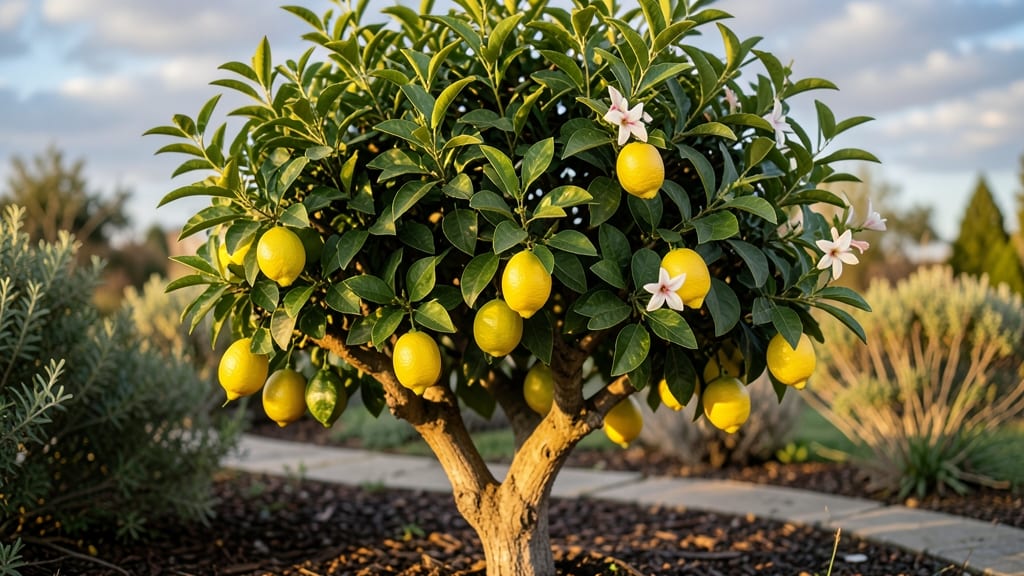
How tall does an Eureka lemon tree grow naturally vs. pruned?
The Eureka lemon tree is a vigorous grower that can reach 15-20 feet tall in ideal conditions when left unpruned. Without intervention, its natural growth pattern turns it into a towering backyard feature, often surpassing 10 feet within just 3-5 years.
But with strategic pruning, you can maintain a 6-10 foot height, perfect for most home gardens and even large containers.
Pruning doesn't just control height—it also improves fruit production by directing energy toward lemons instead of excessive foliage. A well-pruned tree develops a stronger structure, reducing the risk of storm damage and extending its lifespan.
The key is understanding seasonal growth rates and how pruning timing affects both size and yield.
| Growth Condition | Height Range | Growth Rate (Annual) | Fruit Yield Impact | Pruning Needs |
|---|---|---|---|---|
| Unpruned (Outdoors) | 15-20 ft | 2-4 ft/year (young), 1-2 ft (mature) | Lower yield due to dense canopy | Minimal (structural cuts only) |
| Pruned (Outdoors) | 6-10 ft | 1-2 ft/year (controlled) | 2-3x more lemons (better airflow) | Regular (3-4 times/year) |
| Container-Grown (Unpruned) | 8-12 ft (root-bound) | 1-3 ft/year (slower growth) | Reduced yield (root stress) | Frequent (root pruning + shaping) |
| Container-Grown (Pruned) | 4-6 ft | 6-12 inches/year | Optimal yield (managed stress) | Monthly (light pruning) |
Your Eureka lemon tree's height depends heavily on its environment. Outdoors in USDA Zone 9-11, unpruned trees hit 15+ feet quickly due to year-round growth. But in cooler zones (Zone 6-8), growth slows to 1-2 feet annually without pruning, often reaching 10-15 feet at maturity.
Container-grown trees grow 30-50% slower due to root restrictions, but they still need pruning to prevent root-bound stress. A 5-gallon pot limits height to 6-8 feet naturally, while a 15-gallon container allows 8-12 feet without pruning. The trade-off? Containers reduce fruit size but increase frequency.
Pruning in spring (March-April) is critical for height control. This is when the tree enters its fastest growth phase, and strategic cuts can limit vertical expansion.
Summer pruning (June-August) focuses on fruit-bearing branches to maximize yield, while fall pruning (October-November) prepares the tree for dormancy and removes weak growth that would elongate next year.
Did you know? A heavily pruned Eureka lemon tree can produce 30% more lemons than an unpruned one, thanks to improved sunlight penetration and air circulation. The sweet spot for most homeowners is 8 feet tall, balancing manageability with productivity.
To achieve this, aim to remove 20-30% of new growth annually during spring pruning.
Your tree's first 3 years are crucial for establishing its final height. In Year 1, it grows 3-5 feet naturally, but with pruning, you can cap it at 4-5 feet.
By Year 3, an unpruned tree hits 10-15 feet, while a pruned one stays at 6-8 feet. The difference in fruit production becomes noticeable by Year 4, with pruned trees yielding 2-3 times more lemons.
One common misconception is that pruning stunts growth. In reality, it redirects energy toward stronger branches and fruit production. A well-pruned tree lives 20-30 years, while an unpruned one may struggle after 15 years due to weak wood and disease risk.
The best time to prune for height control is late winter/early spring, just before new growth begins.
For indoor Eureka lemon trees, height control is even more critical due to limited space. Without pruning, these trees can reach 8-10 feet indoors, but with regular trimming, you can keep them at 4-6 feet. Use
Step-by-step pruning schedule to maintain Eureka lemon tree height
Pruning your Eureka lemon tree isn’t just about keeping it from becoming a backyard giant—it’s about shaping it for better fruit production and easier maintenance.
Without regular pruning, this vigorous tree can shoot up to 15 feet or taller, but with a structured schedule, you can maintain it at a manageable 6-10 feet while encouraging lush growth and abundant lemons.
Timing is everything when pruning citrus trees. The best seasons to prune are late winter/early spring (just before new growth starts) and summer (after major harvests). Avoid pruning in fall or winter when the tree is dormant, as this can stress the plant and invite disease.
Let’s break down the exact steps for each season to keep your tree healthy and compact.
🌱 Seasonal Pruning Guide for Eureka Lemon Trees
Remove dead, diseased, or crossing branches first. Then, cut back 1/3 of the oldest wood to encourage new growth. Focus on vertical branches to reduce height.
After harvest, prune to open the canopy for better airflow. Trim suckers (shoots at the base) and overly dense branches to prevent fungal issues.
Light pruning only—remove weak or damaged branches. Avoid heavy cuts to prevent stress before dormancy.
- Bypass pruners (for small branches), loppers (for thicker branches), sterilized saw (for large cuts), gloves (to protect from thorns).
- Disinfect tools with rubbing alcohol between cuts to prevent disease. Never prune when wet—wait for dry, sunny days to reduce fungal risks.
When pruning, always cut just above a bud or leaf node at a 45-degree angle. This encourages new growth in the right direction. For height control, prioritize removing branches that grow straight upward—these are the fastest growers and contribute least to fruit production.
Aim to keep the tree’s central leader (main trunk) dominant while thinning out competing branches.
After pruning, your Eureka lemon tree will reward you with more sunlight penetration, which means better fruit set and fewer pests hiding in dense foliage. Just remember: never remove more than 25% of the canopy in one session, or you risk shocking the tree.
With this schedule, you’ll enjoy a well-shaped, fruit-bearing tree that stays within your desired height limits.
Pro tip: Take a photo of your tree before and after pruning to track its shape over the seasons. Over time, you’ll develop an eye for the perfect balance between aesthetic form and fruit productivity—and your neighbors will be jealous of your perfectly pruned citrus tree! 🍋