
Pruning
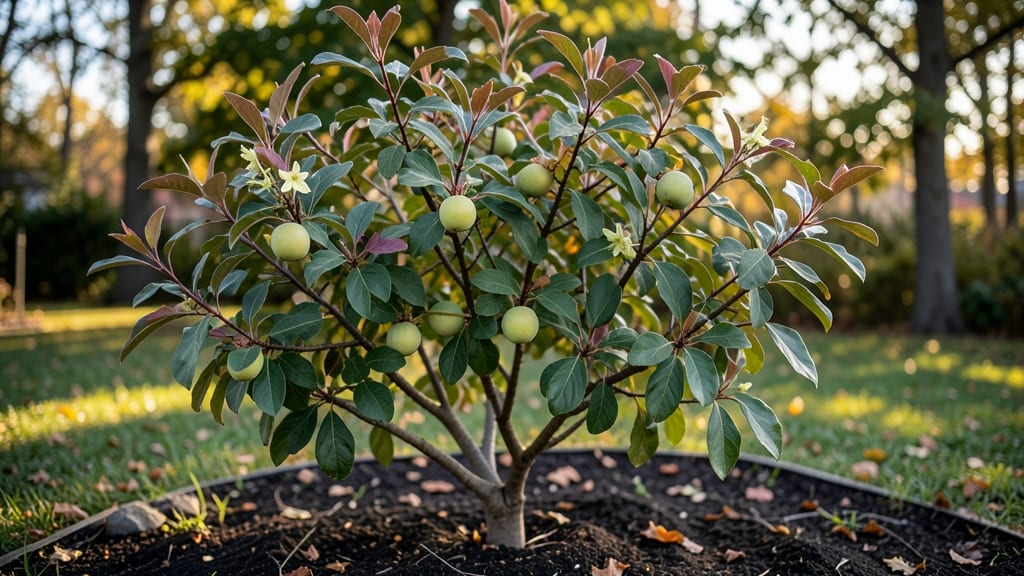
Your persimmon tree’s unripe fruit isn’t a failure—it’s a sign the tree needs a little guidance. 🌿 Last year, my Asian persimmons stayed hard and astringent until late October, no matter how long I waited.
The issue? Too many fruits stressing the tree, poor sunlight exposure, or simply the wrong variety for my climate.
First, check your tree’s health: yellowing leaves or sparse growth mean it’s struggling to ripen fruit. Then assess sunlight—persimmons need 6+ hours of direct sun daily. If your tree is young, thin out half the fruit in early summer to redirect energy to fewer, sweeter persimmons.
For astringent varieties like 'Fuyu,' harvest when fully colored but still firm—they’ll soften indoors in days.
You’ll end up with fruit that’s perfectly ripe, with a vibrant orange blush and a texture like butter. The tree itself will reward you with stronger branches and more consistent harvests next season. Pruning at the right time—late winter for structure, summer for fruit thinning—makes all the difference.
Works for both Asian (non-astringent) and American (astringent) varieties, though timing differs. Here’s how to tell when your persimmons are finally ready—and when to intervene before they rot on the branch.
Root Causes of Unripe Persimmons
Unripe persimmons can be frustrating—especially when you’re eager for that sweet, jammy harvest. But before you panic, let’s break down the key reasons why your persimmon tree might be holding onto underdeveloped fruit. Understanding these causes will help you take corrective action and improve next season’s yield.
Persimmon trees (Diospyros spp.) are dormant-season dependent, meaning they require a specific number of cold hours (typically 200–1,000 hours below 45°F) to trigger proper flowering and fruit maturation.
- Why it happens: If your region experiences mild winters or early warm spells, the tree may not receive enough chilling.
Without adequate cold exposure, buds fail to develop fully, leading to poor fruit set or stunted growth. - Actionable fix: - Check your USDA Hardiness Zone—some persimmon varieties (like Diospyros kaki) need more chill hours than others. - If you’re in a low-chill zone, choose tropical persimmon varieties (e.g., Diospyros virginiana, the American persimmon) that require fewer cold hours. - Mulch heavily in fall to protect roots from temperature fluctuations.
Not all persimmon trees are self-pollinating. Some varieties—especially asexual (parthenocarpic) types—rely on cross-pollination or specific environmental triggers to set fruit properly.
- Why it happens:
- Lack of pollinators (bees, wasps) due to early blooms, pesticide use, or urban settings.
- Self-incompatibility—some trees (like Diospyros kaki ‘Fuyu’) need another compatible variety within 50–100 feet for successful pollination.
- Environmental stress (drought, heatwaves) can reduce pollen viability, leading to poor fruit development.
- Actionable fix:
- Plant a second persimmon tree of a compatible variety if yours is self-sterile.
- Avoid heavy pesticides during bloom—opt for bee-friendly sprays or organic alternatives.
- Hand-pollinate in early morning by gently shaking branches to dislodge pollen.
Persimmons are heavy feeders and need consistent moisture—especially during fruit set and early development. Too much or too little water, along with nutrient deficiencies, can stunt fruit growth.
- Why it happens:
- Underwatering causes small, hard fruits (the tree prioritizes survival over fruit maturation).
- Overwatering leads to root rot, reducing nutrient uptake and causing blossom end rot in developing fruit.
- Nitrogen deficiency results in small, pale leaves and poor fruit development.
- Potassium or calcium shortages can cause bitter, astringent persimmons that never soften.
- Actionable fix:
- Water deeply 1–2 times per week (1–1.5 inches per session) during fruit set (May–June).
- Mulch with compost to retain moisture and improve soil fertility.
- Fertilize in early spring with a balanced 10-10-10 or fruit-specific fertilizer (high in potassium).
- Test soil pH—persimmons prefer slightly acidic to neutral (6.0–7.0).
If your persimmon tree is overloaded with fruit or struggling with weak structure, it may abort developing fruit to conserve energy.
- Why it happens:
- Too many fruits compete for sugar and nutrients, leading to small, unripe harvests.
- Improper pruning (e.g., cutting back too late in season) can stress the tree, reducing fruit quality.
- Shade from nearby trees limits photosynthesis, slowing sugar production.
- Actionable fix:
- Thin fruit early (when 1–2 inches in diameter) to 5–7 inches apart for better air circulation and size.
- Prune in late winter/early spring to open the canopy and remove dead wood.
- Avoid heavy pruning in summer—it can stimulate late growth that won’t harden before frost.
Pests like persimmon borers, aphids, or fungal infections (e.g., anthracnose, powdery mildew) can weaken the tree, leading to poor fruit development.
- Why it happens:
- Aphids suck sap, reducing energy available for fruit maturation.
- Borers tunnel into branches, disrupting nutrient flow.
- Fungal diseases cause leaf drop, limiting photosynthesis and sugar production.
- Actionable fix:
- Inspect leaves and branches regularly for holes, webbing, or discoloration.
- Use neem oil or insecticidal soap for aphids and mites.
- Prune and destroy infected branches to prevent spread.
- Improve airflow with proper spacing and pruning to reduce humidity-related diseases.
Persimmons are sensitive to temperature swings, especially during bloom and fruit set.
- Why it happens:
- Late frosts can kill blossoms, reducing fruit set.
- Heatwaves (>90°F) during pollination can sterilize pollen, leading to poor fruit development.
- Drought stress causes premature fruit drop or stunted growth.
- Actionable fix:
- Cover young trees with frost cloth if late frosts are common.
- Provide afternoon shade in hot climates (use light shade cloth).
- Drip irrigation helps maintain consistent soil moisture during dry spells.
If your persimmon tree is still establishing roots or recovering from transplant shock, it may prioritize growth over fruit production.
- Why it happens:
- First-year trees often produce few or no fruits as they focus on root and branch development.
- Transplant shock (from moving a mature tree) can delay fruiting for 1–2 seasons.
- Soil compaction or poor drainage stresses the tree, reducing energy for fruit.
- Actionable fix:
- Be patient—give young trees 2–3 years to mature before expecting a full harvest.
- Aerate compacted soil and improve drainage with organic matter.
- Avoid heavy fertilizing in the first year—focus on root establishment.
Keep a gardening journal to note: ✅ Bloom dates (did you get enough pollination?) ✅ Watering/nutrient schedule (were there deficiencies?) ✅ Pest/disease outbreaks (did they coincide with poor fruit?) ✅ Weather anomalies (frost, heatwaves, drought?)
By identifying the root cause, you can target fixes and boost next year’s harvest—turning those tart, unripe persimmons into sweet, ripe gems! 🍊✨
Fixing Unripe Persimmons Naturally
When your persimmon tree is loaded with unripe fruit, it’s not just a matter of patience—proactive action can boost next year’s harvest. Below, we break down practical fixes for common causes, from environmental factors to tree health, plus prevention tips to keep your tree thriving.
Cause: Too many flowers or fruit stressing the tree. Fix:
- 🔥 Step 1: Identify the Problem Fruits Look for small, hard, or green persimmons (especially in late summer). These won’t ripen properly and drain the tree’s energy.
- 🍳 Step 2: Thin Gently but Decisively Use sterilized pruning shears (or your hands) to remove 30–50% of the unripe fruit, leaving the largest, healthiest ones. Focus on clusters—keep 1–2 persimmons per branch for optimal growth.
- 👨🍳 Step 3: Space Matters Space remaining fruit 6–12 inches apart to prevent overcrowding, which leads to poor ripening.
💡 Pro Tip: Thin in early summer (June–July) for best results. Avoid removing all fruit—some stress is natural, and persimmons need some load to develop properly.
Cause: Unripe fruit often stems from cool nights, high humidity, or lack of sunlight. Fix:
- ✨ Optimize Sunlight Ensure your tree gets full sun (6+ hours/day). If shaded, prune nearby trees or relocate young saplings to sunnier spots.
- 🌡️ Regulate Temperature Persimmons need warm days (80°F+) and cool nights (50–60°F) to ripen. If your climate is too hot or cold, mulch the base (2–3 inches of organic matter) to stabilize soil temps.
- 💨 Improve Airflow Thin out dense foliage or nearby branches to reduce humidity around fruit. This prevents fungal issues (like anthracnose) that stall ripening.
🎯 Prevention: Plant persimmons in sheltered but sunny locations, away from large shade trees.
Cause: Weak trees (from poor soil, pests, or disease) can’t support ripe fruit. Fix:
- 📊 Boost Soil Health Test your soil and amend with compost or balanced fertilizer (10-10-10) in early spring. Persimmons thrive in slightly acidic to neutral soil (pH 6.0–7.0).
- 🔪 Prune for Balance Remove dead, diseased, or crossing branches in late winter/early spring to improve airflow and energy distribution.
- 🐜 Pest Control Watch for aphids, scale, or Japanese beetles, which sap tree strength. Use neem oil or horticultural soap for organic treatment.
🔥 Quick Fix: If your tree is young (<3 years), avoid heavy fruit loads—let it focus on root and branch growth first.
Cause: Persimmons that flower late (due to cold snaps or pruning at the wrong time) produce unripe fruit. Fix:
- ⏰ Prune at the Right Time Best time: Late winter/early spring (just before buds swell). Avoid pruning in fall or during flowering—this can delay blooms and fruit set.
- 🌿 Encourage Early Blooms If your tree blooms late, avoid heavy nitrogen fertilizer (it delays flowering). Instead, use phosphorus-rich fertilizer in early spring to promote blooms.
💡 Pro Tip: If you pruned too late last year, skip heavy pruning this year—let the tree recover and focus on fruit development.
- ❌ Don’t remove all unripe fruit—some stress helps the tree develop next year’s blooms.
- ❌ Avoid over-fertilizing with nitrogen—it leads to leafy growth but fewer (or unripe) fruits.
- ❌ Don’t harvest green persimmons—they’re extremely astringent (bitter) and won’t ripen off the tree.
🌟 Final Thought: With the right balance of thinning, pruning, and care, your persimmon tree will shift from producing unripe fruit to yielding sweet, vibrant harvests in just a season or two. Start small, observe your tree’s response, and adjust as needed!
Frequently asked questions
Why do my persimmon fruits stay hard and unripe even when they're fully colored?
This is common with astringent varieties like 'Hachiya' persimmons. They need to soften naturally on the tree or indoors after harvest. Check if your tree received enough chill hours (200–1,000 hours below 45°F)—mild winters can prevent proper ripening. For 'Fuyu' (non-astringent) types, harvest when fully colored but still firm—they'll soften in 2–3 days at room temperature.
Can I force unripe persimmons to ripen indoors?
Yes, but only for non-astringent varieties like 'Fuyu'. Place them in a paper bag with a banana or apple (ethylene gas speeds ripening) and store at room temperature for 3–7 days. Astringent types ('Hachiya') won't soften—they must ripen on the tree. Never refrigerate or expose to cold drafts, as this stops the process.
How do I know if my persimmon tree needs more sunlight?
Look for small, pale leaves or fruit that stays green/yellow instead of turning orange. Persimmons need 6+ hours of direct sun daily. If your tree is shaded, prune nearby branches or relocate young saplings. A simple test: Place a whiteboard near the tree for a day—if it casts less than 6 hours of shadow, it needs more light.
What should I do if my persimmon tree has too many unripe fruits?
Thin the fruit when it's 1–2 inches in diameter, keeping only the largest, healthiest ones 5–7 inches apart. This reduces stress on the tree and improves ripening. For young trees (<3 years), remove 70–80% of the fruitsterilized pruners to avoid disease spread.
Can I still use unripe persimmons for cooking?
Yes! Astringent persimmons (like 'Hachiya') can be used in baked goods or preserves once peeled and cooked (the tannins break down with heat). For 'Fuyu' types, wait until they're fully soft to avoid bitterness. Try roasting unripe fruit with cinnamon and brown sugar—the heat neutralizes astringency. Just avoid raw consumption until fully ripe!