
Pruning
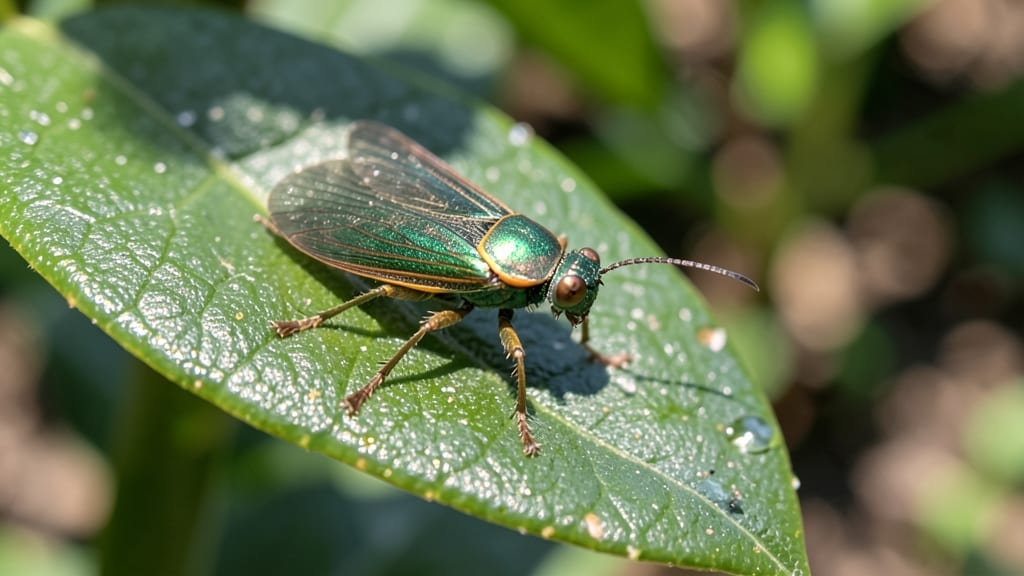
Those barely visible specks on your tree leaves might be tiny tree bugs wreaking havoc before you even notice. 🌿 I've battled spider mites, scale insects, and bark beetles in my own yard, and early detection is the key to saving your trees before the damage becomes irreversible.
The first sign is often subtle—yellowing leaves, sticky residue, or tiny webs—but if you catch it early, you can often stop an infestation with simple organic methods. My go-to solution?
A strong spray of water to knock off soft-bodied bugs, followed by neem oil or insecticidal soap for a natural, chemical-free approach. By the time you see visible damage, the bugs have already weakened your tree's health. The good news?
Most tiny tree bugs can be controlled without harsh chemicals if you act fast. You'll see improvement within days, and your tree will bounce back stronger than ever. If the problem persists or spreads to multiple trees, it's time to call in a professional arborist.
Don't wait until your tree looks like a skeleton—early action is your best defense. Let's tackle this before it gets worse!
Root Causes Of Tiny Tree Invaders
When you spot tiny tree bugs wreaking havoc on your beloved trees, it’s rarely a random event—it’s usually a response to specific conditions that make your trees an inviting buffet or shelter.
Understanding these triggers helps you address the problem at its source. Here’s why these tiny pests decide to move in:
Trees under stress—whether from drought, poor soil, or overcrowding—produce weaker leaves, sap, and bark, making them prime targets for sap-sucking insects like aphids, scale, or spider mites. These pests thrive on stressed trees because:
- Reduced natural defenses: Healthy trees secrete sticky resins or attract predator insects (like ladybugs) that deter pests. Stressed trees can’t keep up.
- Sap abundance: Weakened vascular systems leak more sap, a sugary feast for bugs like mealybugs or psyllids.
- Thinned foliage: Gaps in leaves create ideal hiding spots for egg-laying pests, accelerating infestations.
Actionable fix: Prune to improve airflow, mulch to retain moisture, and fertilize with slow-release organic options (like compost or fish emulsion) to boost tree resilience.
Improper pruning—such as cutting too late in the season, removing too many branches at once, or using dirty tools—can invite pests in several ways:
| Mistake | How It Attracts Bugs |
|---|---|
| Cutting during active growth (spring/summer) | Exposes fresh, nutrient-rich sap that bugs like aphids and borers love. |
| Leaving stubs or jagged cuts | Creates entry points for bark beetles or fungal pests that hitchhike on wounds. |
| Using contaminated tools | Spreads fungal spores or pest eggs from other infected trees (e.g., Xylella fastidiosa, which causes leaf scorch). |
Actionable fix: Prune in dormant season (late fall/winter), use sharp, sterilized tools (rubbing alcohol or bleach solution), and make clean cuts just outside the branch collar.
Tiny tree bugs are highly sensitive to environmental conditions. Certain climates or microclimates (like the cozy nooks near your house) create perfect pest paradises:
- Warm, humid air: Ideal for soft-bodied pests like spider mites or whiteflies, which thrive in temperatures above 75°F (24°C).
- Dry, windy conditions: Stress trees and attract sap-feeding insects (e.g., lace bugs) that seek out moisture-rich leaves.
- Shaded or stagnant areas: Low light reduces tree vigor, while poor drainage creates fungal growth—both lure pests like root weevils or borers.
Actionable fix: Monitor local weather patterns, use shade cloth for sensitive trees, and ensure proper drainage. 💡 Pro tip: Install reflective mulch (like aluminum foil) around tree bases to deter sun-loving pests like aphids.
In a balanced ecosystem, beneficial insects (ladybugs, lacewings, parasitic wasps) keep tiny tree bug populations in check. But when their habitats disappear—due to pesticides, habitat loss, or monoculture landscaping—pests explode unchecked.
- Broad-spectrum pesticides: Kill both pests and their predators, creating a vacuum that pests rush to fill.
- Monotonous landscapes: Single-species plantings (like rows of identical fruit trees) offer no diversity for predator insects to feed on.
- Urbanization: Removing native plants and replacing them with non-native species disrupts food chains.
Actionable fix: Introduce pollinator-friendly plants (e.g., dill, yarrow, or milkweed) near your trees to attract predators. Avoid chemical sprays; opt for neem oil or horticultural soap as last resorts.
By tackling these root causes—stress, poor practices, climate, and predator loss—you’re not just treating the symptoms (tiny bugs) but preventing future infestations. Think of it as giving your trees a health makeover they’ll thank you for!
Natural Ways to Remove Tree Pests
Discovering tiny tree bugs—whether they’re sap-sucking aphids, leaf-munching caterpillars, or wood-boring beetles—can feel like a losing battle. But with the right organic methods, you can restore your trees’ health without harsh chemicals. Below are targeted solutions for common culprits, paired with prevention tips to keep your trees thriving long-term.
Signs: Sticky residue ("honeydew"), curled leaves, or clusters of tiny bugs on stems. Fix:These pests thrive in clusters, so disrupt their habitat with these steps:
- 💦 Blast them off with a strong stream of water from a hose (early morning works best).
- 🌿 Apply insecticidal soap (1–2 tbsp per gallon of water) or neem oil spray. Reapply every 5–7 days until gone.
- 🐝 Invite predators: Ladybugs, lacewings, and parasitic wasps naturally hunt aphids. Plant marigolds or dill nearby to attract them.
💡 Pro Tip: Check the undersides of leaves—aphids love hiding there!
Prevention:
- Prune trees in late winter to improve airflow (aphids hate dry conditions).
- Use reflective mulch (like aluminum foil) around the base to deter them.
Signs: Ragged holes in leaves, frass (sawdust-like droppings), or adult beetles crawling on bark. Fix:
These pests are more aggressive—act fast to limit damage:
- 🕷️ Handpick larvae (drop them into soapy water) during cool mornings when they’re sluggish.
- 🌿 Bacillus thuringiensis (Bt): A natural bacteria spray that kills caterpillars but is safe for humans and pets. Reapply after rain.
- 🪲 Install pheromone traps for beetles (like emerald ash borers). Check weekly and dispose of trapped bugs.
⚠️ Warning: If you see tunnels in bark or oozing sap, the damage may be irreversible—consult an arborist.
Prevention:
- Remove fallen leaves in autumn (many pests overwinter in leaf litter).
- Apply kaolin clay (a natural repellent) to young trees to deter egg-laying.
Signs: Sawdust-like frass at the base of the trunk, D-shaped exit holes, or wilting branches. Fix:
These beetles attack from within, so early detection is key:
- 🔪 Prune and burn infested branches immediately (do not compost them!).
- 🛡️ Seal entry points with undiluted horticultural oil (apply in late winter when beetles are dormant).
- 🐝 Introduce nematodes (Heterorhabditis bacteriophora) to the soil—they target beetle larvae.
🌡️ Critical: If the tree is already dead, remove it to prevent spreading larvae to healthy trees.
Prevention:
- Inspect trees annually for fresh holes or sap oozing.
- Avoid wounding bark (e.g., from lawnmowers or string trimmers).
Even with pests under control, weak trees attract more bugs. Strengthen your trees with:
- 💧 Deep watering (1–2 inches per week) to keep roots healthy.
- 🌱 Mulch properly: 2–4 inches of organic mulch (wood chips, bark) to retain moisture and deter pests.
- 🍃 Fertilize smartly: Use a balanced organic fertilizer (like fish emulsion) in early spring.
✨ Bonus: Companion planting with herbs like rosemary or thyme can repel many tree pests naturally.
With these organic, targeted approaches, you can outsmart tiny tree bugs without resorting to chemicals. Start with identification—know your enemy—and act before the infestation spreads! For severe cases, consult a certified arborist to assess structural damage.
Frequently asked questions
How do I tell if tiny tree bugs are harming my tree?
Look for these key signs: yellowing or curled leaves, sticky honeydew residue on branches, tiny webs (common with spider mites), or visible holes in bark. Early detection is crucial—check undersides of leaves and bark crevices where pests hide. If you see wilting branches or excessive leaf drop, the infestation may already be advanced.
Are neem oil and insecticidal soap safe for all trees?
Both are generally safe when used correctly, but always test on a small branch first. Neem oil works best on soft-bodied pests like aphids and scale, while insecticidal soap targets mites and whiteflies. Avoid using these on stressed or drought-affected trees—they can cause additional harm. For citrus trees, use neem oil sparingly as it may affect fruit quality.
When should I call a professional arborist?
Consult an expert if you see D-shaped exit holes in bark (bark beetles), large areas of oozing sap, or if your tree is already showing signs of structural damage. For severe infestations like emerald ash borers or gypsy moths, professional treatment with systemic pesticides may be necessary. Never wait until the tree is completely dead—early intervention saves more trees.
Can I use homemade sprays like garlic or pepper spray?
Homemade sprays can help with mild infestations, but they're less effective than commercial options. For garlic spray, blend 2 cloves per quart of water and strain. Pepper spray (1 tbsp cayenne per gallon) works temporarily but may burn leaves. Always rinse trees after 24 hours. These work best as preventative measures rather than treatments for established infestations.
How often should I inspect my trees for tiny bugs?
Check your trees every 2 weeks during growing seasons (spring through fall) and monthly in winter. Focus on new growth areas, undersides of leaves, and bark crevices. Early spring is especially critical—many pests emerge when temperatures reach 50°F (10°C). Keep a small magnifying glass handy to spot tiny eggs or early-stage infestations.