
Trees
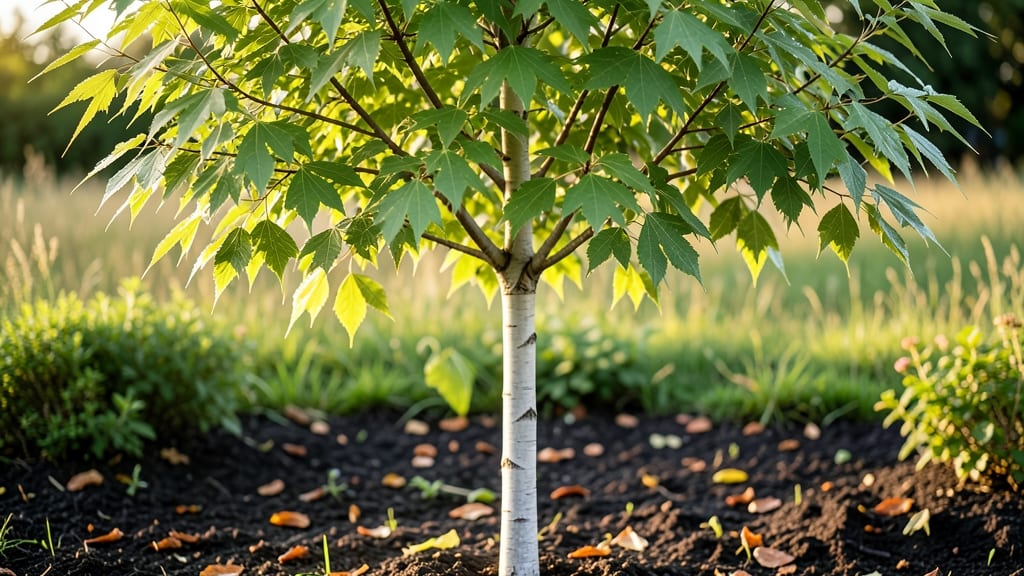
Poplar tree leaves in fall typically turn a dull yellow or brown before dropping, often within 2-4 weeks, though some varieties may linger longer due to environmental conditions like temperature and moisture levels. They rarely display vibrant reds or oranges like maples or oaks.
Fall color in poplars is all about timing and genetics.
Unlike maples or oaks, poplars lack the anthocyanins that create fiery reds, so their muted hues come from chlorophyll breaking down as daylight shortens. 🍂 Cooler temperatures and consistent moisture can actually help leaves cling longer, while drought or heat waves may cause them to drop prematurely.
I’ve noticed that cottonwoods often yellow faster than yellow poplars, which sometimes hold onto their brown leaves well into winter.
What’s fascinating is how location plays a role—poplars in northern climates may turn color earlier but last longer, while southern varieties might stay green until a sudden frost triggers their change.
If you’re hoping to extend that autumn display, focus on well-drained soil and regular watering before the first frost hits.
💡 In This Article
- Why Poplar Leaves Change Color Differently in Autumn
- Best Poplar Tree Varieties for Fall Foliage Longevity
Why poplar leaves change color differently in autumn
Poplar leaves turn fall colors through a process called senescence, where chlorophyll—the green pigment responsible for photosynthesis—breaks down as daylight shortens. Unlike maples or oaks, poplars lack anthocyanins, the pigments that create vibrant reds and oranges.
Instead, their muted yellows and browns come from carotenoids (yellow-orange pigments) and tannins (brown compounds) that become visible as chlorophyll fades. This happens gradually over 2-4 weeks, depending on the variety and environmental conditions. 🍂
The key trigger is daylength, not temperature alone. When daylight drops below 12-14 hours, poplars stop producing chlorophyll, exposing the underlying pigments. Cooler temperatures (50-60°F) slow metabolism, helping leaves cling longer, while sudden temperature swings can accelerate leaf drop.
Unlike hardwoods, poplars also lack the sugar storage in stems that delays senescence, making their fall transition faster.
Moisture levels play a critical role too. Well-watered poplars retain leaves longer because hydration supports cellular function during chlorophyll breakdown. In drought conditions, leaves may turn brown and drop within 1-2 weeks, while consistent moisture can extend their lifespan by 3-5 weeks.
This is why poplars in humid climates often display fall color longer than those in arid regions.
Comparing poplars to other trees highlights their unique chemistry. Maples produce anthocyanins in response to bright light and cold nights, creating reds, while oaks rely on tannins for their fiery hues. Poplars, however, lack these pigments entirely, resulting in their subdued palette.
Even their names—like yellow poplar—hint at their limited color range, with only subtle shifts from green to gold to brown.
One fascinating exception is the white poplar, which sometimes develops faint orange tinges due to carotenoid dominance in certain light conditions. However, these hues are still far less intense than those of maples or birches.
The lack of vibrant colors isn’t a flaw—it’s a result of poplars’ fast-growing nature and shallow root systems, which prioritize rapid growth over pigment production.
For gardeners, this means poplars offer a low-maintenance option for fall interest, though they won’t rival the spectacle of a sugar maple. Their early senescence also makes them useful for timing other plants’ fall displays—like planting bulbs once their leaves have dropped. 🌿