
Container Gardens
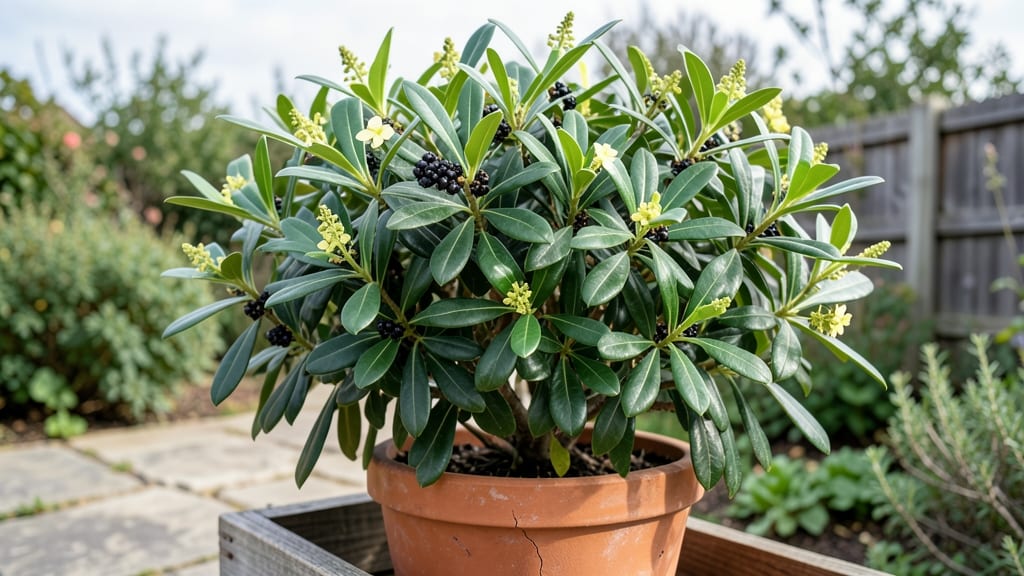
Growing a bay tree in a container lets you enjoy its fragrant leaves year-round without needing a yard. 🌿 I’ve kept mine thriving on my balcony for five years—here’s how to avoid the common pitfalls that kill container-grown bay trees.
The trick starts with the right pot: at least 12 inches wide with drainage holes, paired with a well-draining mix of potting soil and perlite. Bay trees hate soggy roots, so I water only when the top inch feels dry, cutting back in winter when growth slows.
Most people overwater, which leads to yellowing leaves and root rot. By pruning lightly after harvest (or in early spring), you encourage bushier growth and keep the plant compact. My tree now fits neatly on my patio table while still producing enough leaves for cooking.
The key is balancing sunlight—six hours daily for strong growth, but afternoon shade in hot climates to prevent leaf scorch. This method works for both indoor and outdoor setups. Just move your container inside before frost, and you’ll have a lush, fragrant bay tree that outlives most store-bought herbs.
📚 In This Guide
- What you need
- Instructions
- Tips and common mistakes
- Wrapping up and next steps
What you need
- ● Container: A 5-gallon or larger pot with drainage holes (minimum 12–18 inches in diameter). Terracotta or ceramic works well for heat retention.
- ● High-quality potting mix: A blend of 60% well-draining soil (like cactus/succulent mix) and 40% organic matter (compost or coconut coir). Avoid garden soil—it compacts and drains poorly!
- ● Bay tree sapling: Choose a dwarf variety (e.g., Laurus nobilis ‘Angustifolia’) or a young nursery-grown plant (3–5 feet tall).
- ● Drainage layer: 2–3 inches of gravel, perlite, or pumice to prevent root rot.
- ● Gloves & pruners: For handling leaves (bay oil can irritate skin) and trimming new growth.
- ● Watering can with a rose attachment: Ensures gentle, even moisture without disturbing roots.
- ● Slow-release fertilizer: Balanced 10-10-10 or organic options like fish emulsion (apply every 6–8 weeks in growing season).
- ○ Mulch (optional): 1 inch of pine bark or straw to retain moisture and regulate temperature.
- ○ Support stake (optional): For taller varieties to prevent tipping in windy spots.
Step-by-step guide to growing a bay tree in a container
Here’s how I’ve kept bay trees thriving in pots for years—no yard needed.
🪴 Step 1: Choose the Right Container and Soil Mix
Bay trees need room to grow—pick a 12-18 inch diameter pot with drainage holes. I use terra cotta because it breathes and prevents root rot. Fill the bottom 2 inches with gravel or broken pottery for drainage, then add a mix of 60% potting soil, 30% perlite, and 10% compost. This keeps roots aerated while holding moisture.
Press the soil down gently—it should feel firm but not compacted. Bay trees hate soggy roots, so the mix must drain well. If your soil feels heavy, add more perlite until it crumbles easily between your fingers.
🌱 Step 2: Plant and Water for the First Time
Dig a hole twice as wide as the root ball but no deeper. Place your bay tree in the center, then fill gaps with soil, pressing lightly to remove air pockets. Water deeply until it drains from the bottom—this settles the soil and removes bubbles around roots.
Bay trees love consistent moisture but not soggy soil. After planting, water every 2-3 days until the top 1-2 inches feel dry. Overwatering is the #1 killer—wait until the soil is slightly dry before watering again.
☀️ Step 3: Place in Bright, Indirect Light
Bay trees thrive in full sun to partial shade—6+ hours of bright, indirect light daily. A south-facing window works best, but if leaves yellow, move it back 1-2 feet. Too much direct sun scorches leaves, while too little makes them stretch and weaken.
Rotate the pot a quarter turn weekly so the tree grows evenly. You’ll notice new growth leaning toward the light—this is your cue to adjust placement. If leaves drop, it’s getting too cold (below 45°F) or too dry.
✂️ Step 4: Prune and Fertilize for Compact Growth
Pinch back new growth in early spring to encourage bushiness. Use clean, sharp pruners to trim just above a leaf node—this prevents bare stems. I prune once in spring and once in summer to keep my bay tree under 3 feet tall in a container.
Feed with a balanced 10-10-10 fertilizer every 4-6 weeks during growing season (spring-fall). Reduce feeding in winter—the tree rests. Yellow leaves? You’re over-fertilizing. Brown edges? It’s too dry. Adjust care based on what you see.
🌿 Step 5: Overwintering for Long-Term Success
Bay trees are evergreen, but they slow growth in winter. Move the pot away from cold drafts (below 50°F) and reduce watering to every 7-10 days. If leaves yellow, it’s overwatering—let the soil dry more between waterings.
Dust leaves monthly with a damp cloth—they’ll thank you with glossy, fragrant foliage. With proper care, your container bay tree can live 10+ years, growing just as well as its yard-bound cousins.
Tips & tricks for perfect container bay tree growth
Real talk: Container bay trees can thrive just as well as their yard counterparts—if you nail these key details.
Pot Selection Matters: While the instructions recommend 12-18 inch diameter pots, I've found that wider pots (up to 20 inches) actually help roots spread more naturally, especially for mature trees. If you're starting with a smaller pot, plan to upgrade within 2 years—root-bound trees show stress through yellowing leaves and stunted growth. Terra cotta is ideal, but if using plastic, add extra drainage holes to prevent moisture buildup.
Soil Texture is Everything: The 60-30-10 mix works perfectly, but here's what I learned the hard way: if your soil feels like wet sand after watering, you need more perlite. Aim for soil that crumbles easily when dry—this prevents compaction that suffocates roots. I like to add a handful of orchid bark to the mix for extra aeration, especially in smaller containers.
Light Adjustments for Different Seasons: That 6+ hours of bright light is crucial, but don't assume summer light equals winter light. In winter, supplement with a grow light 12 inches away for 4-6 hours daily if natural light drops below 4 hours. I notice my trees grow more slowly in winter anyway, so this extra light makes a visible difference in leaf health by spring.
Pruning for Compact Growth: When you're pinching back new growth in Step 4, focus on the tips of branches where you see 3-4 leaves clustered. This encourages bushier growth rather than long, leggy stems. I prune my trees right after their spring flush of growth—this gives them time to recover before summer's heat stress. Always sterilize your pruners with rubbing alcohol between cuts to prevent disease.
Pro Tips for Bay Tree In Container
- Real talk: Container bay trees can thrive just as well as their yard counterparts—if you nail these key details.
- Pot Selection Matters: While the instructions recommend 12-18 inch diameter pots, I've found that wider pots (up to 2...
- Soil Texture is Everything: The 60-30-10 mix works perfectly, but here's what I learned the hard way: if your soil fe...
Frequently asked questions
Got questions about keeping a bay tree thriving in containers? You’re not alone! Here are answers to the most common concerns—from pruning to pests and beyond.
How often should I prune my container-grown bay tree?
Prune your bay tree lightly in late winter or early spring to shape it and encourage bushier growth. Avoid heavy pruning—bay trees respond best to gradual trims. Focus on removing dead or overcrowded branches, and never cut more than 25% of the foliage at once.
Can a bay tree survive winter in a container?
Yes, but it needs protection! Move potted bay trees indoors (e.g., a garage or sunroom) before temperatures drop below 20°F (-7°C). If outdoors, wrap the container in burlap and use a frost cloth. Water sparingly in winter—overwatering can harm roots in cold soil.
What pests should I watch for in container bay trees?
Common pests include aphids, spider mites, and scale insects. Check undersides of leaves regularly. Treat infestations early with neem oil or insecticidal soap. Ensure good air circulation (avoid overcrowding) to deter pests.
How much water does a container bay tree need?
Water when the top 1–2 inches of soil feel dry (stick your finger in to test!). Containers dry out faster than ground soil, so check daily in hot weather. Avoid soggy soil—bay trees hate "wet feet." Drainage holes are a must to prevent root rot.
What’s the best container size for a bay tree?
Aim for at least 12–18 inches in diameter (bigger is better for long-term growth). Bay trees have deep roots, so prioritize depth over width. Use a container with drainage holes and a saucer to catch excess water. Terracotta pots help regulate moisture but may need more frequent watering.
Wrapping up and next steps
Growing a bay tree in a container is a fantastic way to bring fragrant beauty and culinary potential to even the tiniest spaces! With the right soil mix, sunlight, and care, your compact bay tree will thrive year after year—adding charm to patios, balconies, or sunny windowsills. 🌿✨
Ready to take the next step? Start with a healthy young plant, choose your favorite container, and give it the love it deserves. Before you know it, you’ll be harvesting fresh bay leaves for cooking or simply enjoying its lush, aromatic presence. Happy gardening!