
How To
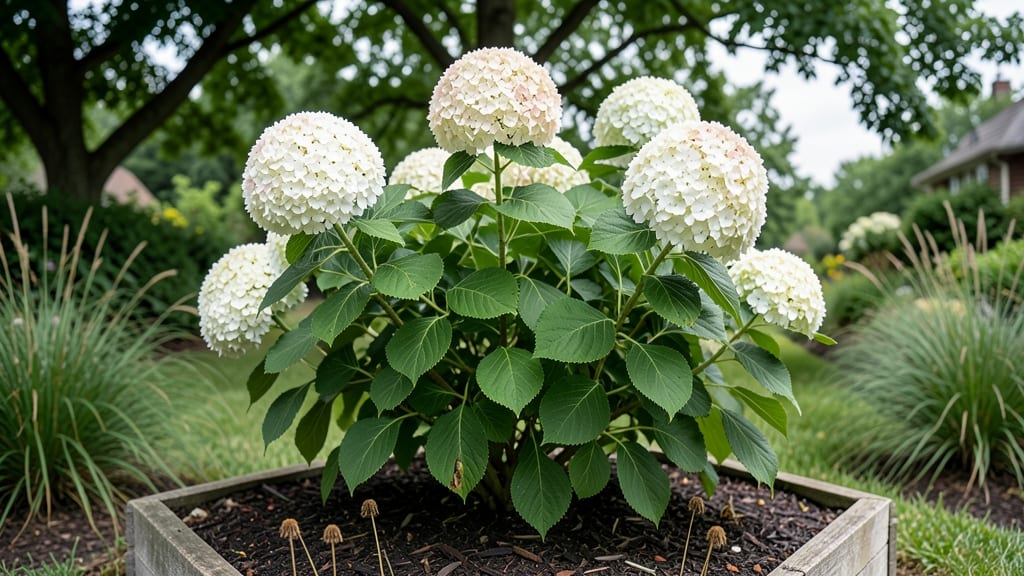
Hydrangea tree height by variety: from compact to towering giants
Choosing the right hydrangea tree for your space means understanding their mature heights—some varieties stay under 6 feet while others reach 20 feet or more. The key difference lies in their species: Hydrangea paniculata and Hydrangea arborescens tend to be taller, while Hydrangea quercifolia and dwarf varieties remain more manageable.
Knowing these heights helps you plan for shade, privacy, or even container gardening without overcrowding.
Before planting, check your yard’s dimensions and sunlight exposure. A 15-foot hydrangea tree near a 6-foot fence will quickly outgrow its space, while a 4-foot variety in a small courtyard stays perfect.
Below, I’ve broken down the most popular hydrangea trees by their mature heights, growth habits, and ideal planting zones to help you make the best choice for your garden.
| Variety | Mature Height | Spread | Growth Rate | Best For |
|---|---|---|---|---|
| Hydrangea paniculata 'Limelight' | 12–15 ft | 8–10 ft | 2–3 ft/year | Privacy screens, bold statements |
| Hydrangea paniculata 'Little Lime' | 4–6 ft | 4–5 ft | 1–2 ft/year | Small gardens, containers |
| Hydrangea arborescens 'Annabelle' | 3–5 ft | 3–4 ft | 1–1.5 ft/year | Foundation plantings, borders |
| Hydrangea quercifolia 'Snow Queen' | 15–20 ft | 10–12 ft | 1.5–2 ft/year | Woodland gardens, shade trees |
| Hydrangea macrophylla 'Endless Summer' | 4–6 ft | 3–5 ft | 1 ft/year | Patios, mixed borders |
| Hydrangea paniculata 'Gold Rush' | 8–10 ft | 6–8 ft | 2 ft/year | Mid-sized yards, focal points |
| Hydrangea arborescens 'Incrediball' | 3–5 ft | 3–4 ft | 1–1.5 ft/year | Containers, urban gardens |
| Hydrangea quercifolia 'Pee Dee' | 10–12 ft | 8–10 ft | 1.5 ft/year | Shade-loving landscapes |
| Hydrangea paniculata 'Kyushu' | 6–8 ft | 5–6 ft | 1.5 ft/year | Small to medium spaces |
| Hydrangea arborescens 'Hayes Starburst' | 4–6 ft | 4–5 ft | 1–1.5 ft/year | Pollinator gardens, borders |
The Hydrangea paniculata group, like 'Limelight' and 'Gold Rush,' often tops the charts for height, making them ideal for privacy screens or statement plants in larger yards. Meanwhile, Hydrangea arborescens varieties like 'Annabelle' and 'Incrediball' stay compact, perfect for containers or small gardens.
If you love the oak-leaf look of Hydrangea quercifolia, be prepared for towering giants like 'Snow Queen,' which can reach 20 feet with proper care.
For small spaces, dwarf varieties like 'Little Lime' or 'Hayes Starburst' are game-changers—they fit neatly into patio pots or window boxes while still delivering stunning blooms. If you’re unsure about a variety’s final size, check its growth rate in the table above.
A 2-foot annual growth means a 6-foot tree in just 3 years, while slower growers take 5+ years to mature.
Another factor to consider is pruning potential. Some varieties, like 'Limelight,' respond well to summer pruning to control height, while others, like 'Snow Queen,' are best left unpruned to maintain their natural shape.
Always research a variety’s pruning needs before planting—cutting back the wrong hydrangea can reduce blooms for years.
If you’re planting near a fence, deck, or driveway, leave at least 3–5 feet of clearance for medium-sized varieties (6–10 ft) and 10+ feet for towering types like 'Snow Queen.' Overcrowding leads to root competition, stunted growth, and even disease.
When in doubt, opt for a slightly smaller variety—you can always add a trellis or espalier later if you crave more height.
Don’t forget to match your hydrangea tree to your USDA hardiness zone. Most varieties thrive in zones 4–9, but Hydrangea quercifolia prefers zones 5–9 and may struggle in colder climates.
Always check the specific variety’s zone range before committing to a purchase—some nurseries sell plants labeled for warmer zones only.
For fastest results, choose a 2–3 year-old nursery-grown tree instead of a small bare-root plant. These mature trees establish quicker, skip the slow early growth phase, and often bloom within their first year.
Just be sure to water deeply for the first 2–3 months to help roots adjust to their new home.
Ready to pick your perfect hydrangea? Start by measuring your space, then cross-reference it with the mature heights in the table above. Whether you’re dreaming of a shade canopy or a <
How fast do hydrangea trees grow? Annual growth rates revealed
Hydrangea trees are some of the fastest-growing shrubs in your garden, but their growth rate depends heavily on variety, care, and environmental factors.
On average, most hydrangea trees grow 12–24 inches per year during their first few years, with some varieties like Hydrangea paniculata reaching 3 feet annually under ideal conditions. Understanding this growth pattern helps you plan your landscape design and manage expectations for their mature size.
In their first year, expect your hydrangea tree to reach 2–3 feet tall, with a similar spread. By year two, growth accelerates, often doubling in height to 4–6 feet.
This rapid growth continues until the plant reaches maturity, typically between 3–5 years, depending on the variety and growing conditions. Proper care during these early years sets the foundation for a healthy, long-lived specimen.
🌿 Hydrangea Tree Growth Timeline
- 1 Year 1: 2–3 ft tall, focuses on root establishment
- 2 Year 2: 4–6 ft tall, rapid vertical growth begins
- 3 Year 3: 6–8 ft tall, nearing mature height for most varieties
- 4 Year 4+: 8–12 ft tall, growth slows as plant matures
Several factors influence how fast your hydrangea tree grows. Sunlight exposure is critical—most varieties thrive in partial shade (4–6 hours of sun daily), but too much direct sun can stunt growth. Well-draining, acidic soil (pH 5.0–6.0) is another key factor, as hydrangeas are sensitive to soil chemistry.
Amend your soil with organic matter like compost or peat moss to create optimal growing conditions.
Pruning plays a major role in controlling height and encouraging bushier growth. For Hydrangea paniculata varieties, prune in late winter or early spring to remove dead wood and shape the plant. For Hydrangea arborescens, prune right after flowering to maintain compact size.
Avoid heavy pruning in fall, as this can reduce next year’s blooms. Regular pruning not only manages height but also improves airflow, reducing disease risk.
If you’re growing a hydrangea tree in a container, expect slightly slower growth due to root restriction. Container-grown trees typically reach 50–75% of their mature height compared to in-ground specimens.
To maximize growth, choose a pot at least 18 inches wide and deep and repot every 2–3 years to refresh the soil. Container gardening also allows you to move your tree to optimize sunlight exposure throughout the year.
By year five, most hydrangea trees reach their mature height, which can range from 6–12 feet depending on the variety. For example, Hydrangea quercifolia (oakleaf hydrangea) typically matures at 8–10 feet, while Hydrangea paniculata 'Limelight' can grow up to 12 feet or taller.
Monitoring growth year by year helps you adjust care practices and pruning strategies to achieve your desired size and shape.