
Pruning
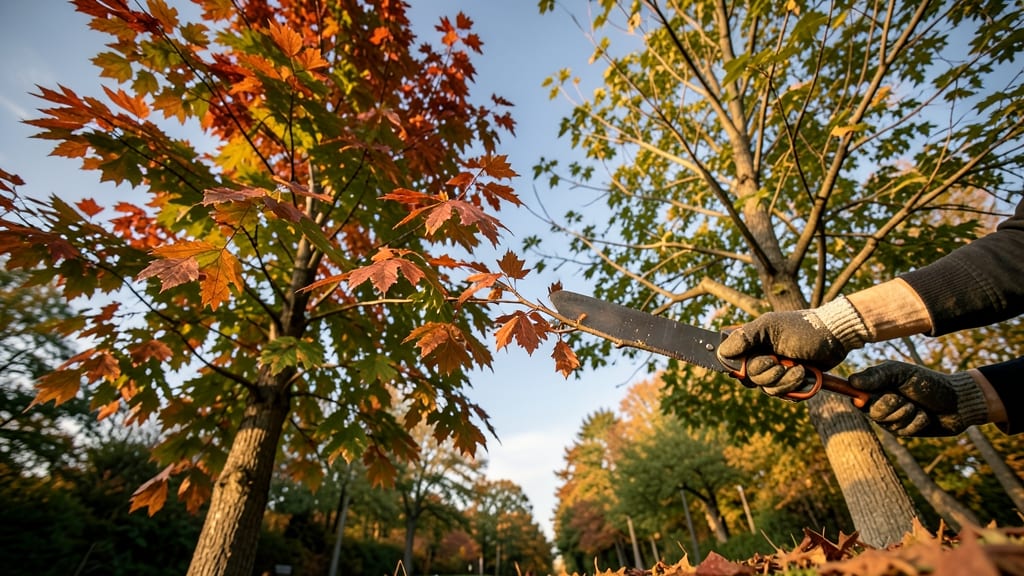
Pruning broadleaf trees and shrubs at the right time ensures vibrant growth and longevity. Discover the optimal seasonal timing for each plant type to maximize health, shape, and flower production in your garden.
Spring Pruning For Early Blooming Shrubs
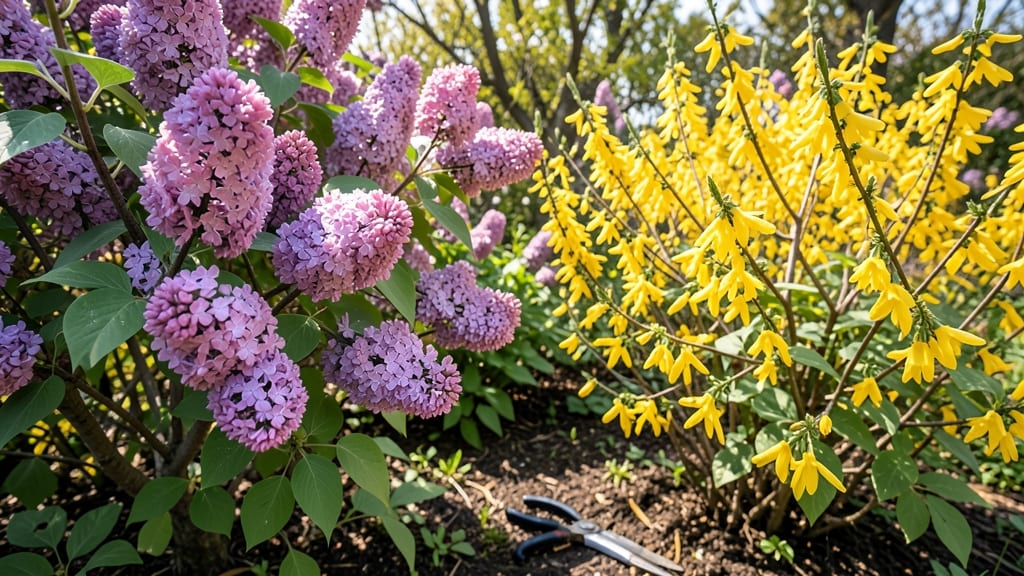
Those fragrant lilacs and cheerful forsythia are giving you their best show this spring—but wait to prune until after they finish blooming. Cutting back too early means sacrificing next year’s flowers, while pruning at the right time encourages lush, vigorous new growth for seasons to come.
For lilacs, prune immediately after flowering (typically May-June) by removing up to one-third of the oldest stems at the base. Forsythia responds well to light pruning right after its bright yellow blooms fade, shaping it into a more compact form. Always use clean, sharp shears to make cuts just above a bud or branch collar, and avoid heavy pruning—this keeps your shrubs blooming abundantly for years.
This timing is especially important for gardeners who want reliable blooms without the guesswork. A little patience now means a burst of color next spring that’ll make your neighbors green with envy. 🌷
Late Winter Dormant Season Pruning
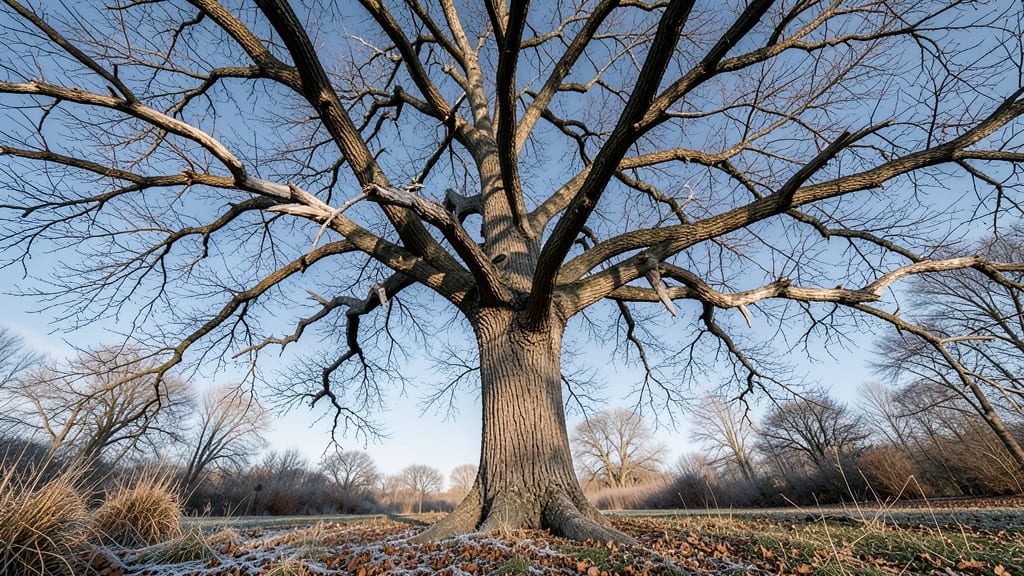
When your maple or oak stands bare against winter’s chill, late winter dormant season pruning reveals their true structure—like reading a tree’s growth storybook. This is the perfect time to shape their form, as leafless branches let you spot dead wood, crossing limbs, and awkward growth patterns without missing a single detail.
Focus on removing diseased or damaged branches first, then thin out crowded limbs to improve airflow and sunlight penetration. For young trees, prioritize removing water sprouts and suckers to encourage a strong central leader. Use sharp pruners to make clean cuts just outside branch collars, and avoid heavy pruning—never remove more than 25% of the canopy in one season to prevent stress.
This method is ideal for gardeners who want to establish long-term health in their mature broadleaf trees, ensuring they’ll thrive for decades with minimal future corrections. 🌟
Summer Pruning For Evergreen Shrubs
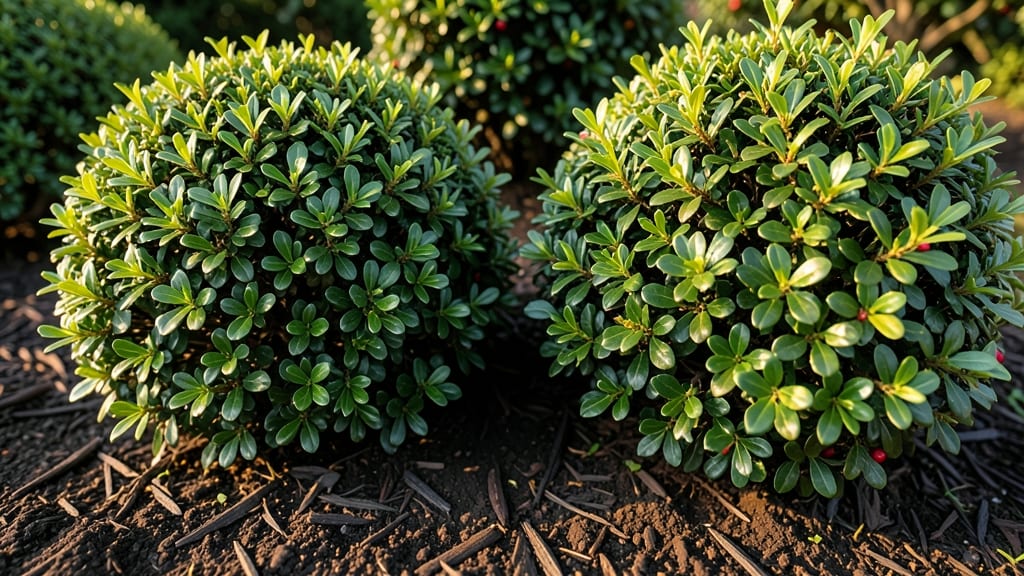
Want your boxwoods and holly to stay thick and vibrant all winter? The secret lies in a strategic summer trim—just not too early. Pruning these evergreens after mid-summer (around August) prevents stress and encourages dense new growth before winter dormancy.
Focus on light shaping rather than heavy cuts—remove only overlapping branches or straggly growth to maintain a full, lush appearance. Avoid pruning in extreme heat, and always use sharp, clean tools to prevent damage. This timing ensures your shrubs enter winter with a compact, healthy structure ready to withstand cold.
This method is perfect for gardeners who want to maintain neat hedges without sacrificing winter hardiness. A little summer attention now means fewer bare spots later! 🌿
Fall Cleanup Pruning For Disease Prevention
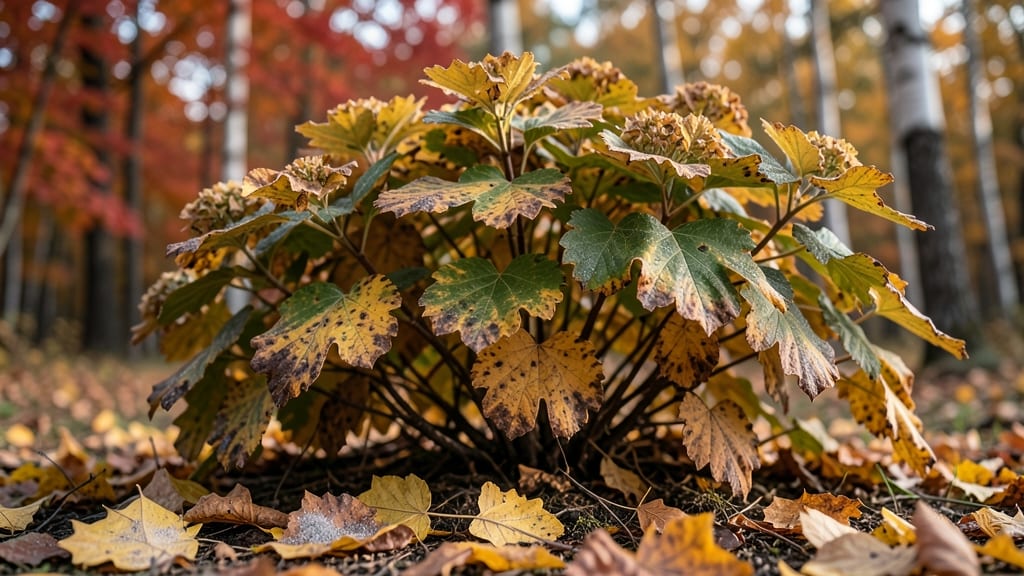
Autumn’s golden hues aren’t just for show—your oak leaf hydrangeas are silently battling fungal spores hiding in their leaves. Skipping fall cleanup means those spores will overwinter, returning next spring with a vengeance and stunting your plant’s growth.
Start by removing all infected leaves and branches—look for brown, crispy foliage or blackened stems. Use sterilized pruners (rubbing alcohol works) to avoid spreading disease, and cut back to healthy tissue. Focus on thinning out crowded areas to improve air circulation, which is key to preventing future infections.
This disease-prevention pruning pays off big for hydrangea lovers, ensuring lush foliage and vibrant blooms the following season. It’s the perfect way to give your shrubs a fresh start before winter sets in. 🌿
Renewal Pruning For Overgrown Azaleas
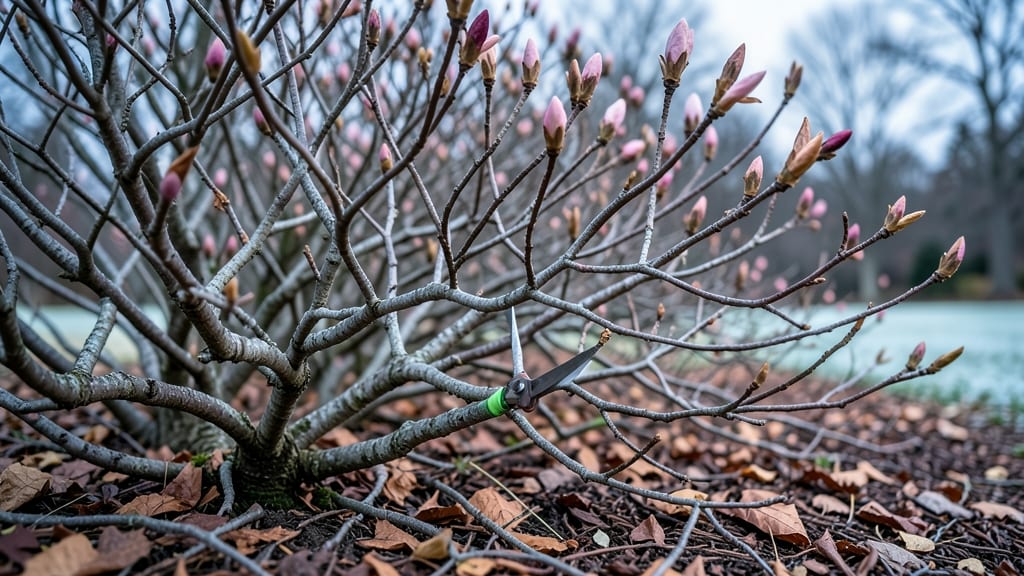
Your azaleas may look like a tangled mess, but a strategic late-winter pruning can transform them into a lush, flowering powerhouse. Unlike routine trims, renewal pruning targets the oldest stems—cutting back one-third of them to the ground—to spark fresh growth and blooms.
Start in late winter (before buds swell) and focus on the thickest, oldest stems. Use clean, sharp pruners to make cuts just above outward-facing buds. This method reduces congestion, improves airflow, and encourages vibrant new growth and flowers. Repeat every 2-3 years to maintain health.
Perfect for gardeners with mature azaleas that have lost their shape or vigor, this technique works wonders without sacrificing next year’s blooms. 🌷
Minimal Winter Pruning For Fruit Trees
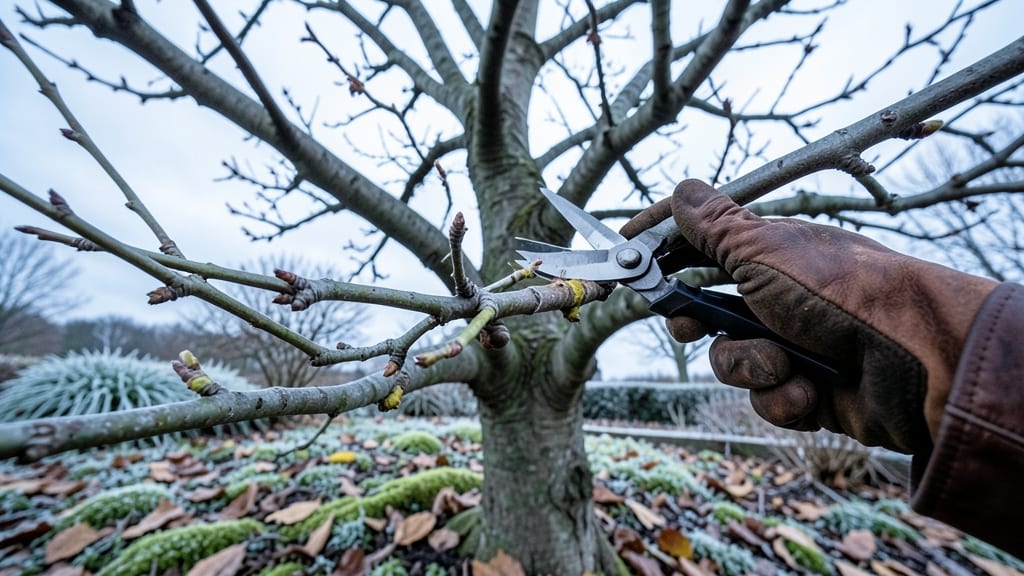
If your apple or pear trees are looking a little unruly but you’re worried about winter damage, minimal pruning is the answer. Unlike heavy structural cuts, this approach focuses only on removing dead or crossing branches—keeping your tree healthy without stressing it during dormancy.
Start by inspecting your tree’s branches for any that are dead, diseased, or rubbing together. Use sharp pruning shears to make clean cuts just outside the branch collar, avoiding the bark. Limit yourself to removing no more than 10-15% of the tree’s canopy—this prevents winter dieback while preserving next year’s fruit production. The goal is to open up the center for airflow and sunlight, which reduces fungal risks.
This method is perfect for home gardeners who want to maintain their fruit trees with minimal effort. By focusing on just the problem areas, you’ll keep your trees thriving for years to come. 🌟
Post-Bloom Pruning For Camellias
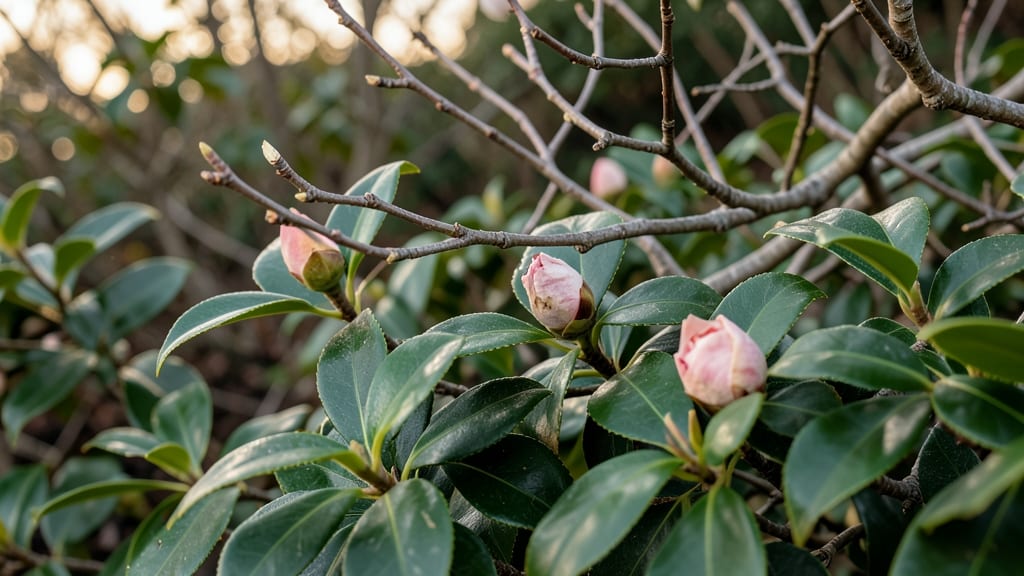
Want your camellias to burst into bloom year after year? The secret lies in post-bloom pruning—this often-overlooked step is what keeps these elegant shrubs thriving. Unlike other broadleaf shrubs, camellias need a different timing approach to maximize their stunning, long-lasting flowers.
After your camellias finish flowering in late spring, use clean, sharp pruners to trim spent blooms and shape the plant. Focus on removing only the faded flowers and any crossing or weak branches—never cut into old wood. This encourages the plant to redirect energy into next year’s buds, resulting in a fuller, more abundant display. A light touch is key: avoid heavy pruning, as camellias bloom on old wood.
This method is perfect for gardeners who love year-round interest and want to maintain their camellias’ natural shape without sacrificing future blooms. With just a little attention after flowering, you’ll enjoy lush foliage and even more spectacular blooms next season. 🌻
Spring Tip Trimming For Boxwoods
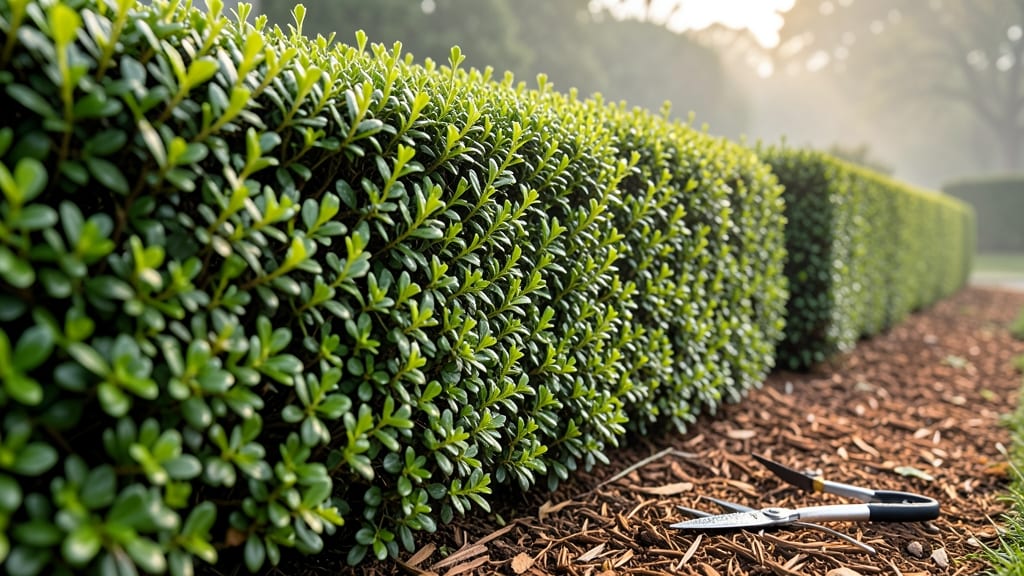
Want to transform your boxwood hedges into sharp, polished shapes without sacrificing growth? The secret lies in spring tip trimming—a light, strategic approach that keeps your hedges dense and full year-round.
Start in late February or early March, just as new growth begins but before the plant puts too much energy into leaves. Use sharp shears to trim only the very tips of branches—about ¼ inch—to encourage bushier growth. Avoid cutting into old wood, as this can lead to sparse, leggy foliage. Focus on shaping the outer edges first, then gradually work inward to maintain symmetry.
This method is ideal for homeowners who love structured gardens but want to minimize maintenance. With just a few minutes of focused trimming each spring, you’ll enjoy thicker, healthier boxwoods that stay lush through summer and winter. 🌱
Summer Deadheading For Roses
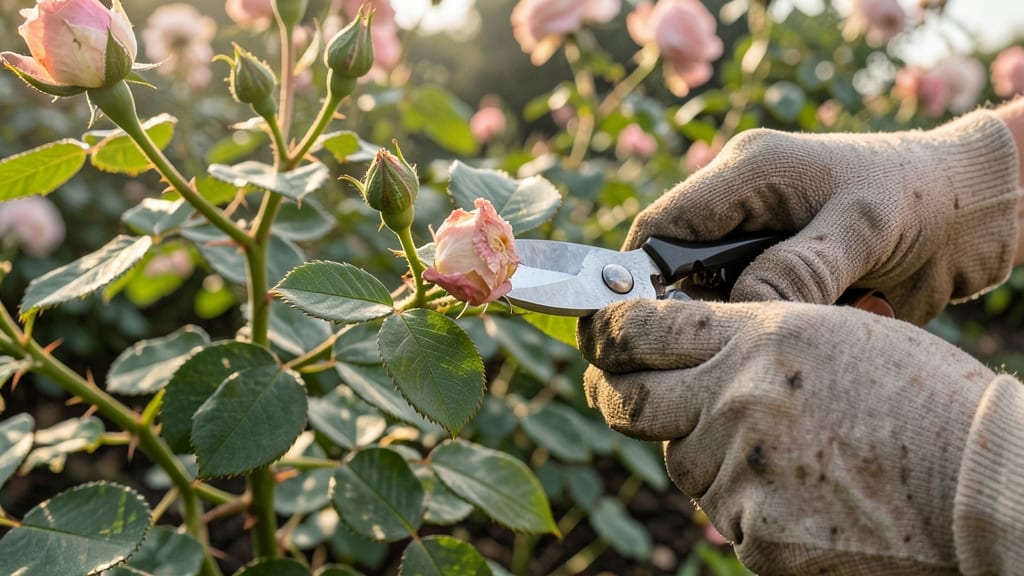
Want your roses to keep blooming well into fall? Deadheading in late summer is the secret weapon—it redirects energy from fading flowers into fresh buds, giving you a second wave of vibrant blooms when many gardens fade.
Use clean, sharp pruners to snip just above a five-leaflet leaf (the "leaflet cluster") where the spent bloom meets the stem. Focus on late-summer pruning** (August-September) to avoid stimulating tender new growth that might not survive fall frosts. This technique also prevents seed formation, which drains the plant’s energy.
Perfect for rose gardeners who love continuous color—whether you're growing hybrid teas, floribundas, or climbers, this simple habit keeps your roses thriving. 🌻
Fall Structural Pruning For Young Trees

Want to future-proof your young maples and elms against storm damage? Early fall is the perfect time to shape their branch structure while they’re still flexible and responsive. This structural pruning in September or October—before winter dormancy—helps establish a strong framework that reduces the risk of limb failure during heavy winds or snow.
Focus on removing water sprouts (vertical shoots) and any branches growing at sharp angles, which are weak points. Use clean cuts just outside the branch collar, and avoid removing more than 25% of the canopy to prevent stress. This method also encourages a balanced crown, improving sunlight penetration and air circulation for healthier growth. Young trees benefit most from this preventive approach, as their wood is still pliable.
Urban gardeners and homeowners with newly planted trees will see long-term payoffs in stability and aesthetics. A little early fall effort now means fewer headaches—and fewer fallen branches—later. 💪