
Pruning
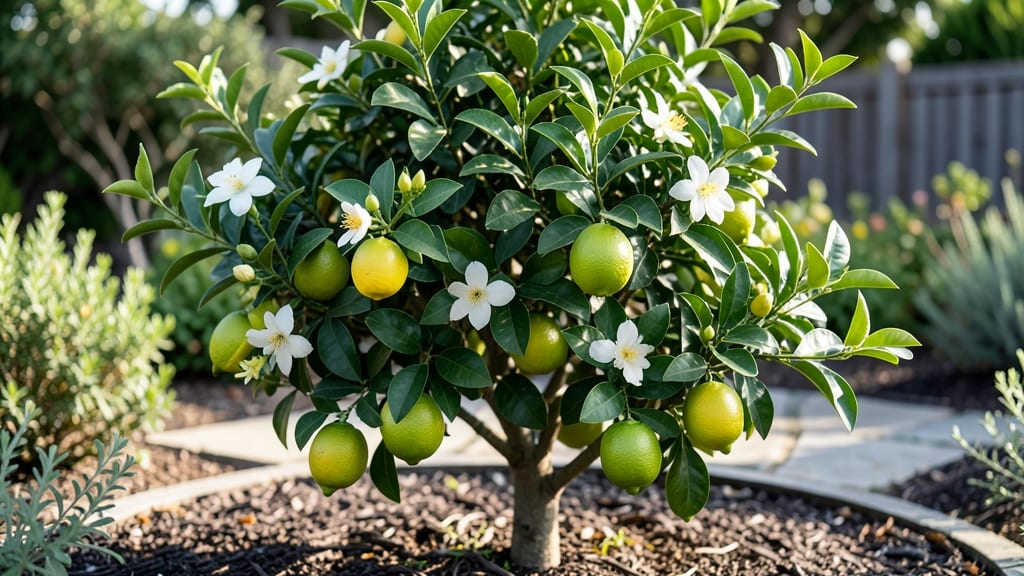
Understanding the Meyer lemon tree temp tolerance is the key to keeping your 🍋 thriving year-round, whether you’re in a mild coastal climate or a chilly inland zone.
If you love the sweet, fragrant Meyer lemons but worry about your climate, you’re not alone—many gardeners struggle with their temp tolerance.
Unlike traditional lemons, Meyer lemon trees thrive in a surprising range of temperatures, but knowing their limits can mean the difference between a bountiful harvest and a frozen disaster.
These trees handle heat better than cold, but even a brief dip below 28°F can damage leaves, while prolonged exposure to 100°F+ stresses roots and fruit. The secret? Small adjustments—like winter wraps or afternoon shade—can turn a marginal climate into a lemon-lover’s paradise.
In this guide, I’ll break down the exact temperature ranges your Meyer lemon tree can handle, how to protect it from extremes, and the easiest seasonal tweaks to keep it producing year after year.
Meyer lemon tree cold tolerance: USDA zones and survival limits
Meyer lemon trees are prized for their sweet, fragrant fruit, but their cold tolerance often surprises gardeners. Unlike their tart cousins, these trees handle cooler climates better—but only up to a point.
Native to China, they thrive in USDA zones 9b-11, where winters stay above freezing. Below 28°F (-2°C), damage becomes likely, though roots may survive slightly colder temps.
Understanding your zone is critical. In Zone 9b, like coastal California, Meyer lemons grow year-round with minimal protection. Gardeners in Zone 8 face risks during light frosts, while those in Zone 11 must guard against summer heat stress instead.
The key difference? Top growth freezes at 28°F (-2°C), but roots can tolerate down to 25°F (-4°C) briefly.
Here’s how their cold tolerance breaks down by zone, including survival limits and protection strategies:
In Zone 8, where winters dip below 20°F (-7°C), Meyer lemons need active protection. A thick layer of straw mulch (6-8 inches) insulates roots, while wrapping the trunk with burlap prevents freeze cracks.
For container-grown trees, move pots to a garage or sheltered patio before temps drop below 32°F (0°C). Even a single night at 25°F (-4°C) can blacken leaves, but the tree often rebounds with spring pruning.
Zone 9b gardeners face a sweet spot—Meyer lemons grow nearly year-round with minimal fuss. Still, light frosts (28-32°F / -2 to 0°C) can scorch foliage. My trick? Wrap young trees in frost cloth and bury the pot in mulch for extra insulation.
Mature trees handle brief dips better, but fruit near the ground may freeze. Always harvest lemons before winter to avoid waste.
For Zone 10-11, cold isn’t the enemy—heat stress is. While these zones offer frost-free winters, summer temps above 95°F (35°C) can stunt growth. Provide afternoon shade with a 50% shade cloth and keep soil moist.
Unlike colder zones, these trees never fully dormancy, so consistent watering and feeding keep them productive year-round.
Meyer lemons also handle transitional zones (7b-8a) with container gardening. In my Zone 7b garden, I overwinter a potted Meyer lemon in an unheated garage**, bringing it outdoors in May. The trade-off?
Slower growth and smaller fruit, but the sweet reward of homegrown lemons makes it worth it. Just avoid sudden temperature swings—hardening off in spring and acclimating in fall prevents shock.
Watch for early warning signs of cold stress: yellowing leaves, blackened stems, or dropped fruit. These indicate temps dipped below the tree’s tolerance. If you see brown, mushy spots on branches, prune those sections in spring—new growth will fill in quickly.
For severe damage, fertilize lightly in early spring to encourage recovery.
Pro tip: Mulch depth matters. A 4-inch layer of wood chips keeps roots 10°F warmer than bare soil. In Zone 8-9, I top-dress with compost in fall to boost insulation.
Pair this with a windbreak (like a bamboo fence) to shield the tree from drying winter winds, which accelerate cold damage.
Remember, container-grown trees are more vulnerable than in-ground plants. Pots dry out faster and offer no root insulation. If you live in Zone 8 or colder, choose a dwarf variety (like Improved Meyer) for easier overwinter
Heat survival tips for Meyer lemon trees in hot climates
When summer temperatures soar, your Meyer lemon tree needs extra care to avoid heat stress. These sweet citrus trees prefer warm climates but struggle when thermometers climb above 95°F (35°C).
Without proper protection, leaves scorch, fruit quality drops, and long-term health suffers. The key is balancing moisture, shade, and airflow while monitoring for early warning signs.
In desert climates like Arizona or tropical zones like Florida, Meyer lemons face unique challenges. Extreme heat accelerates water loss, while intense sunlight can burn tender foliage. Even in Zone 10-11, where they thrive year-round, proactive care prevents heat-related decline.
I’ve seen trees in 105°F (40°C) heat recover with the right techniques—but neglect leads to irreversible damage.
⚠️ callout-warning
Meyer lemon trees tolerate up to 100°F (38°C) but show stress above 95°F (35°C). Prolonged exposure to 105°F+ (40°C+) causes:
- Leaf scorch (brown edges)
- Fruit drop (premature shedding)
- Reduced flowering (fewer blooms next season)
Start with soil moisture management, the most critical factor in heat survival. Meyer lemons need consistent deep watering—1-2 gallons per tree every 2-3 days in peak heat. Let the top 2-3 inches of soil dry between waterings to prevent root rot, but never let it become bone-dry.
Drip irrigation or soaker hoses work best, delivering water directly to the root zone while minimizing evaporation.
For shade solutions, use 30-50% shade cloth during the hottest hours (11 AM–3 PM). Avoid full shade, which reduces photosynthesis and fruit production. In desert regions, plant near deciduous trees like mulberry or use lightweight shade sails to filter harsh sunlight.
My Meyer lemon in Phoenix thrives under a white shade cloth—it blocks 50% UV rays while allowing airflow.
Pruning techniques also play a role in heat resilience. Remove overlapping branches and dense foliage to improve air circulation, reducing humidity-related stress. Lightly trim new growth in summer to redirect energy to root strengthening.
Avoid heavy pruning during heatwaves—it stresses the tree further. Instead, focus on structural pruning in early spring or fall.
Mulching is another game-changer. Apply 3-4 inches of organic mulch (straw, wood chips, or pine needles) around the base of the tree, keeping it 6 inches from the trunk. Mulch retains moisture, regulates soil temperature, and suppresses weeds.
In tropical climates, I’ve seen mulch reduce soil temps by 10°F (5°C) during peak afternoon heat. Replenish mulch annually to maintain effectiveness.
Monitor your tree for heat stress signs: drooping leaves, yellowing foliage, or fruit that’s smaller and sour. If you spot these, increase watering frequency and provide temporary shade.
With these strategies, your Meyer lemon tree can survive—and even thrive—in hot climates while producing sweet, juicy fruit year-round. 🌿☀️