
How To
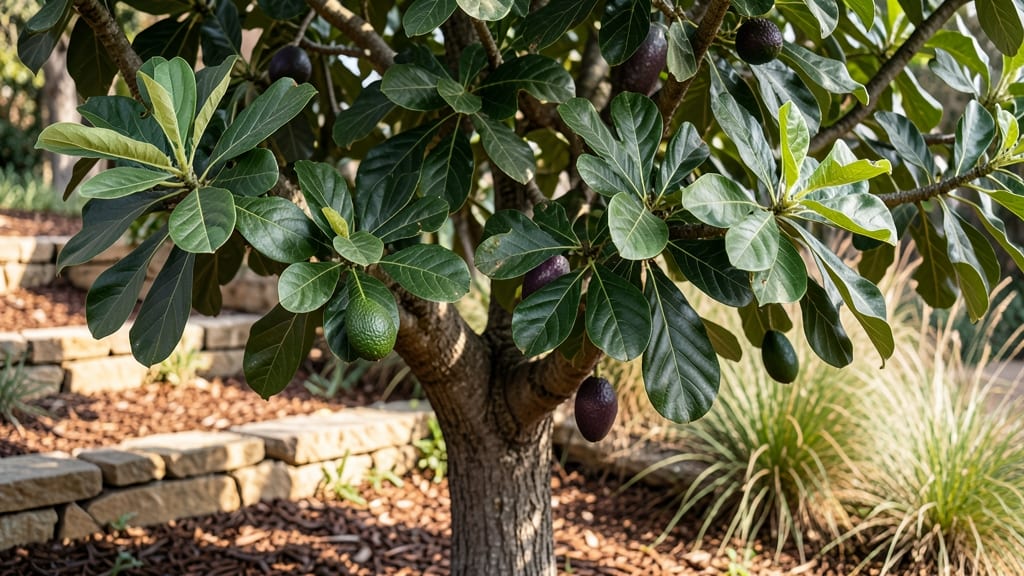
Wondering how tall does an avocado tree grow? In ideal conditions, it can reach heights between 20 and 80 feet, making it a towering presence in any landscape—but there’s a catch for home gardeners.
Dreaming of growing your own avocados but worried about limited space? The height of an avocado tree can vary dramatically—from towering giants to compact varieties perfect for patios and small yards.
Most standard varieties, like the popular Hass, reach 30 to 50 feet tall, while dwarf types stay under 10 feet. The key to managing size lies in choosing the right variety and understanding how climate, pruning, and care influence growth.
In this guide, I’ll break down the tallest and shortest varieties, share space-saving tips, and help you decide if an avocado tree fits your garden—no matter how big (or small) your yard is.


Avocado tree height by variety: dwarf vs standard vs giant sizes
If you're dreaming of growing your own avocado tree but don't have acres of space, don't worry! The height of an avocado tree can vary dramatically depending on the variety and growing conditions.
Some varieties stay under 10 feet, making them perfect for containers or small yards, while others tower over 50 feet—taller than most two-story homes! Understanding these differences helps you choose the right type for your space and care needs.
From dwarf varieties that fit on patios to standard giants that need open landscapes, each type requires different space planning and maintenance.
Whether you're a city gardener with limited room or a rural enthusiast with ample land, knowing the mature height of your chosen variety is key to long-term success. Let’s break down the most popular types and their growth habits.
| Variety | Mature Height | Growth Rate (Per Year) | Space Needs | Best For |
|---|---|---|---|---|
| Mexican Dwarf | 10–15 ft | 1–2 ft | Small yards, containers (15+ gal) | Urban gardens, patios |
| Wurtz | 8–12 ft | 1 ft | Containers (20+ gal), small spaces | Balconies, indoor-outdoor growing |
| Bacon | 12–15 ft | 1.5 ft | Small yards, large containers | Cold-hardy zones, rural patios |
| Hass (Standard) | 20–30 ft | 2–3 ft | Large yards, open landscapes | Commercial orchards, rural homes |
| Fuerte | 30–50 ft | 3–4 ft | Spacious properties, orchards | Large gardens, agricultural settings |
| Lamb Hass | 50–80 ft | 4+ ft | Orchard settings, no restrictions | Commercial farms, wild growth |
As you can see, the Mexican Dwarf and Wurtz varieties are ideal for gardeners with limited space, while standard and giant varieties like Hass and Lamb Hass need room to spread. The growth rate also plays a role—dwarf types grow slower, making them easier to manage in containers.
If you're planting in a small urban area, prioritize varieties that stay under 15 feet to avoid overcrowding.
Another critical factor is root spread. Even dwarf varieties can develop roots that extend 3–5 feet beyond the canopy, so avoid planting too close to sidewalks or foundations. For container growing, choose pots that are at least 20 gallons for dwarf varieties and 50+ gallons for standard types.
Always include drainage holes to prevent root rot, a common issue with avocado trees.
Climate also influences height. In warmer zones (USDA 10–11), avocado trees grow faster and reach their mature height sooner. In cooler zones (USDA 9–10), growth slows, and trees may stay smaller unless you provide winter protection, like moving containers indoors or using frost cloth.
If you live in a cold climate, opt for dwarf varieties like Bacon, which tolerate brief chills better than tropical types.
Pruning is another tool to control height. For dwarf varieties, light pruning after harvest encourages bushier growth, while standard varieties may need annual pruning to manage size. Always use sterilized tools to prevent disease, and prune in late winter or early spring before new growth begins.
Never remove more than 25% of the canopy in a single session to avoid stressing the tree.
If you're growing avocados in containers, height control becomes even more critical. Root-bound trees grow slower but produce smaller fruit. To keep them healthy, repot every 2–3 years using a well-draining cactus/succulent mix.
Add organic compost to the soil to ensure nutrients aren’t depleted. For outdoor containers, place them in full sun and rotate the pot occasionally so the tree grows evenly.
One common misconception is that all avocado trees grow into giants. In reality, many varieties stay compact if given the right care. For example, the Mexican Dwarf can reach 15 feet in ideal conditions but often stays shorter in containers.
Always check the specific variety’s growth habits before planting. If you’re unsure, start with a dwarf type—you can always let it grow taller later if space allows!
Finally, remember that patience is key. Even dwarf varieties take 3–5 years to bear fruit, and standard types may take longer. During this time, focus on healthy root and foliage development by providing consistent water, sunlight, and fertilizer.
With the right variety and care, you’ll enjoy homegrown avocados without sacrificing your garden’s layout.
Top 5 space-saving avocado tree varieties under 10 feet
If you love avocados but lack yard space, don't worry—you can still grow your own! Many compact avocado varieties stay under 10 feet tall, making them perfect for containers, patios, or small urban gardens.
These dwarf varieties produce delicious fruit while maintaining a manageable size, often with the right care and pruning techniques.
Choosing the right variety is key. Some naturally stay small, while others can be pruned to control height. Below, I’ve curated five space-saving avocado varieties that thrive in limited spaces, along with tips to keep them compact and healthy.
Whether you're growing in a 5-gallon container or a small backyard, these trees deliver big flavor without the bulk.
🌱 Compact Avocado Varieties Under 10 Feet
- 1. 'Wurtz' – 6-8 ft tall, cold-hardy, and perfect for containers. Produces small, creamy avocados with minimal pruning.
- 2. 'Bacon' – 8-10 ft tall, known for its large, buttery fruit. Thrives in warm climates and responds well to pruning.
- 3. 'Mexicola' – 6-9 ft tall, a Mexican dwarf variety with cold tolerance. Great for indoor growing with sufficient light.
- 4. 'Lamb Hass' – 8-10 ft tall, a dwarf Hass variant with smaller leaves and fruit. Ideal for small spaces and urban gardens.
- 5. 'Gwen' – 7-9 ft tall, a self-pollinating variety with sweet, creamy fruit. Perfect for balconies or patios with proper care.
When growing these varieties, container size matters. For trees under 10 feet, use pots at least 15-20 gallons to accommodate root growth. Ensure your container has drainage holes and use a well-draining potting mix to prevent root rot.
Place your tree in a sunny spot with at least 6-8 hours of sunlight daily for optimal fruit production.
Pruning plays a crucial role in maintaining height. Light pruning after harvest encourages bushier growth, while regular trimming of vertical shoots keeps the tree compact. Avoid heavy pruning, as it can stress the tree and reduce fruiting.
Instead, focus on shaping and thinning to maintain an open canopy for airflow and sunlight penetration.
Fertilizing is another key factor. Use a balanced fertilizer (like 6-6-6 or 8-3-9 NPK) every 4-6 weeks during spring and summer to support growth. In fall and winter, reduce or stop fertilizing to allow the tree to rest.
Mulching around the base helps retain moisture and regulates soil temperature, which is especially important for container-grown trees.
With the right variety and care, you can enjoy homegrown avocados without sacrificing your small space. These compact avocado trees prove that even urban gardeners can grow their own fruit—just give them love, sunlight, and a little elbow room!