
Watering
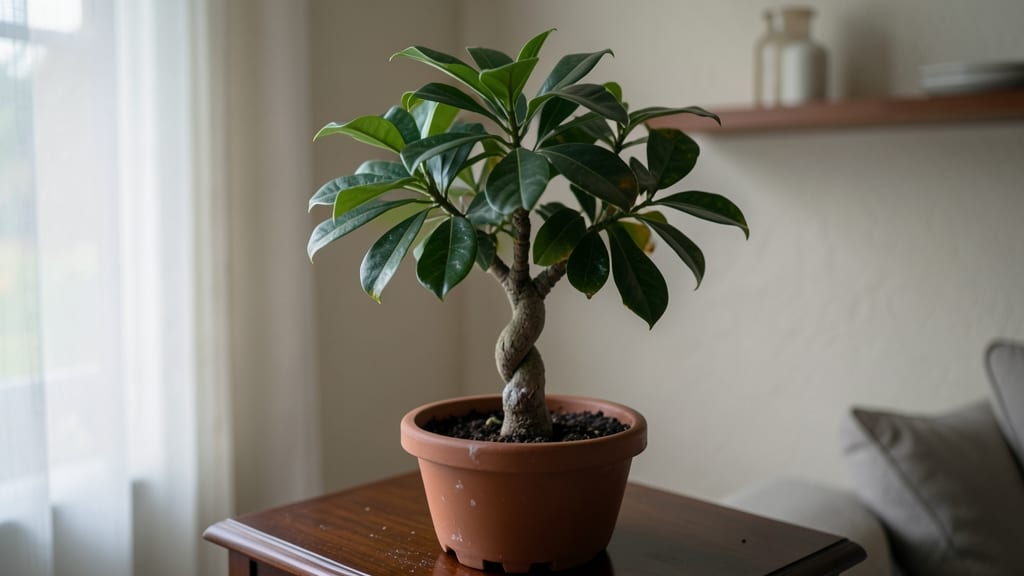
What does an overwatered money tree look like?
That sad droop and yellowing leaves aren’t just bad luck—they’re a cry for help. 🌱 I’ve nursed back more overwatered Pachira aquatica than I’d like to admit, and the first step is spotting the signs: limp stems, mushy stems when squeezed, and leaves that turn yellow then brown at the edges.
The roots? Often black and smelly, not the healthy white you’d expect.
Here’s the thing—money trees hate soggy soil. They’re tropical, sure, but they need well-draining soil and water only when the top 2 inches feel completely dry. I check with my finger (yes, really) before watering, and I’ve saved plants that were practically drowning.
The key is balance: too little water wilts them, but too much suffocates their roots.
Reviving one takes patience, but it’s possible. First, let the soil dry out completely, then repot into fresh, airy mix with perlite or sand. Trim any blackened roots and brown leaves—it’s not cruel, it’s necessary.
Within 2-4 weeks, you’ll see new growth pushing through, and those once-sagging branches will perk up again.
This works for money trees in pots, hanging baskets, or even as a small indoor tree. The same rules apply whether you’re in a dry climate or a humid one—just adjust how often you water. Trust me, your plant will thank you.
Root Causes Of Overwatering
Overwatering your money tree (Pachira aquatica) isn’t just about pouring too much water—it’s a chain reaction triggered by environmental and care-related factors. Understanding these root causes helps you adjust habits and save your plant before it’s too late. Let’s break down the science behind why this happens.
Money trees thrive in well-draining soil, but many growers unintentionally create a waterlogged environment. Here’s how:
- Clay or compacted soil: Heavy soils (like clay) trap moisture, preventing oxygen from reaching roots. When water sits, roots suffocate, leading to anaerobic conditions—a scientific term for oxygen deprivation. This triggers root rot, where fungi and bacteria feast on weakened cells.
- No drainage holes: Pots without holes act like a bathtub, holding excess water at the bottom. Even if the soil seems dry on top, the roots below may be drowning. Pro tip: Always check the pot’s base before repotting!
- Overpotting: A pot that’s too large holds more water than the plant’s root system can absorb. The excess moisture lingers for days, creating a breeding ground for pathogens.
Skipping the "wait-and-see" approach is a fast track to overwatering. Here’s why timing matters:
- Water before checking soil moisture: Many plant owners water on a schedule (e.g., every Tuesday) instead of testing the soil. Money trees prefer the top 1–2 inches of soil to dry out between waterings. Use your finger or a moisture meter to avoid guesswork.
- Overcompensating after drying out: If you let the soil dry completely, then drown it in water to "fix" it, you’re shocking the roots. This abrupt change stresses the plant, causing leaves to yellow or drop.
- Seasonal neglect: Winter slows root activity, so the plant needs 30–50% less water than in summer. Ignoring this leads to soggy soil and stunted growth.
Your money tree’s surroundings play a huge role in how it processes water. These factors can amplify overwatering risks:
- Low humidity + high heat: In dry air (common indoors with HVAC), leaves transpire faster, but if the soil stays wet, roots can’t keep up. The plant becomes osmotically stressed, forcing it to drop leaves to conserve water.
- Cold drafts near the pot: Cool air slows evaporation from the soil, making it take longer to dry out. Place your money tree away from windows, doors, or AC vents.
- Overcrowded roots: If the plant is root-bound (roots circling the pot), they can’t spread to absorb water efficiently. This leads to localized waterlogging in certain areas.
💡 Quick Fix: If you suspect overwatering, stop watering immediately and let the soil dry out. For severe cases, repot in fresh, well-draining soil and trim any mushy roots with sterilized scissors.
Revive Your Money Tree Now
Overwatering can feel like a death sentence for your money tree (Pachira aquatica), but don’t panic—most cases are reversible with the right care. Below, we’ll break down cause-specific fixes to nurse your plant back to health, plus prevention tips to keep it thriving long-term.
Think of this as your plant’s emergency room visit, followed by a checkup to avoid repeat visits!
Cause: Soggy soil suffocates roots, cutting off nutrients and oxygen. Yellowing often starts at the bottom leaves and spreads upward.
How to Fix It:
- 🚰 Stop Watering Immediately
- Let the top 2–3 inches of soil dry out completely before watering again. Stick your finger in—if it’s damp past 1 inch, wait longer.
- 🌱 Repot in Fresh, Well-Draining Soil
- Gently remove the plant from its pot and trim any black, mushy roots with sterilized scissors (healthy roots are firm and white).
- Repot in a clean pot with drainage holes and a mix of:
- 50% cactus/succulent soil (for aeration)
- 30% perlite or orchid bark (to prevent compaction)
- 20% peat moss or coconut coir (for moisture retention without sogginess).
- 🌿 Adjust Your Watering Routine - Water only when the top 50% of the soil is dry (about every 1–2 weeks in spring/summer, every 3–4 weeks in winter). - Bottom-watering trick: Place the pot in a tray of water for 10–15 minutes, then drain excess.
This encourages roots to grow deeper and avoids over-saturating the topsoil.
💡 Pro Tip: If your money tree is severely rotten, propagate a healthy stem cutting (let it callus for 24 hours, then plant in fresh soil). Many overwatered plants bounce back from cuttings!
Cause: Overwatering + nutrient starvation (roots can’t absorb what they need). Drooping often happens when the entire plant feels heavy or spongy.
How to Fix It:
- 🌡️ Check Soil Moisture with the "Squeeze Test"
- Grab a handful of soil. If it squishes like wet sand or smells sour, it’s overwatered. If it crumbles easily, it’s ready for water.
- 🌿 Prune Damaged Foliage
- Snip off yellow, brown, or mushy leaves with clean scissors. This reduces stress on the plant and redirects energy to recovery.
- 🌞 Boost Light & Airflow
- Move your money tree to bright, indirect light (east or north-facing windows are ideal). Avoid dark corners where humidity lingers.
- Increase airflow with a small fan on low (30 minutes/day) to prevent fungal growth.
- 🍽️ Feed It Lightly (Once Recovered)
- Wait 4–6 weeks after repotting before fertilizing. Then, use a balanced, diluted fertilizer (half-strength, 20-20-20) once every 2 months in spring/summer.
✨ Prevention Tip: Money trees hate cold drafts (like AC vents) and overly humid bathrooms. Keep them in a stable, warm spot (65–80°F).
Cause: Overwatering stops root activity, so the plant can’t grow. Stunted growth often pairs with small, weak leaves or no new branches.
How to Fix It:
- 🔄 Repot into a Slightly Larger Container
- If roots are circling the pot, upgrade to a 1–2 inch larger pot (but never jump sizes—this stresses roots).
- 🌱 Encourage Root Growth with a "Root Dip"
- Before repotting, soak the roots in room-temperature water + a pinch of cinnamon (natural antifungal) for 10 minutes. This jumpstarts recovery.
- 🌿 Trim Overcrowded Stems
- If your money tree has too many stems, prune back the longest, leggiest ones to encourage bushier growth. Use the cuttings to propagate!
- 🌞 Give It a Light Boost
- Money trees grow best in bright, indirect light. If yours is in a dim room, supplement with a grow light (12 hours/day) for 2–3 weeks to spark new growth.
🎯 Long-Term Tip: Rotate your plant quarter-turns weekly so all sides get even light—this prevents lopsided growth.
If your money tree shows all these signs at once, it may be too far gone:
- Black, foul-smelling stems (fungal infection)
- No green leaves left (irreversible rot)
- Mushy, hollow base (structural collapse)
💔 What to Do:
- If some stems are still green, propagate those cuttings.
- If nothing’s salvageable, treat it as a learning experience—your next money tree will thrive with the right care!
🌟 Remember: Money trees are resilient—they bounce back faster than you think! The key is draining soil, patience, and consistency. Once you’ve fixed the overwatering, your plant will reward you with lush, braided branches and a touch of good luck (or so the legend goes!). 🍀
Frequently asked questions about overwatered money trees
Why do money tree leaves turn yellow first at the bottom?
Yellowing at the base happens because the oldest leaves (bottom ones) are the first to show stress when roots can't absorb nutrients properly. Overwatering cuts off oxygen to roots, causing them to rot and release toxins that travel upward. This is your plant's SOS signal—act fast by letting the soil dry out completely!
Can I save a money tree with black stems?
Black stems indicate severe root rot that's spread to the plant's structure. If only a few stems are affected, trim them back to healthy green tissue and propagate those cuttings. For widespread blackening, the plant may be too far gone—but check for any green stems first before giving up!
How often should I water my money tree after fixing overwatering?
After recovery, water only when the top 2 inches of soil feel bone-dry. In spring/summer, this might be every 1-2 weeks, while winter care requires every 3-4 weeks. Always check with your finger—if it's damp below 1 inch, wait longer. Consistency is key!
What's the difference between overwatering and underwatering?
Overwatered money trees have limp, yellow leaves that feel mushy, while underwatered ones have crispy brown edges and dry soil pulling away from the pot. The key difference: overwatered plants smell sour, while underwatered ones feel light as a feather when lifted!
Will my money tree grow back after overwatering damage?
Money trees are incredibly resilient. Once you've removed rotten roots and adjusted care, new growth typically appears within 2-4 weeks. The plant may shed more leaves initially as it recovers, but healthy stems will sprout fresh foliage. Patience is your best friend here!