
Pruning
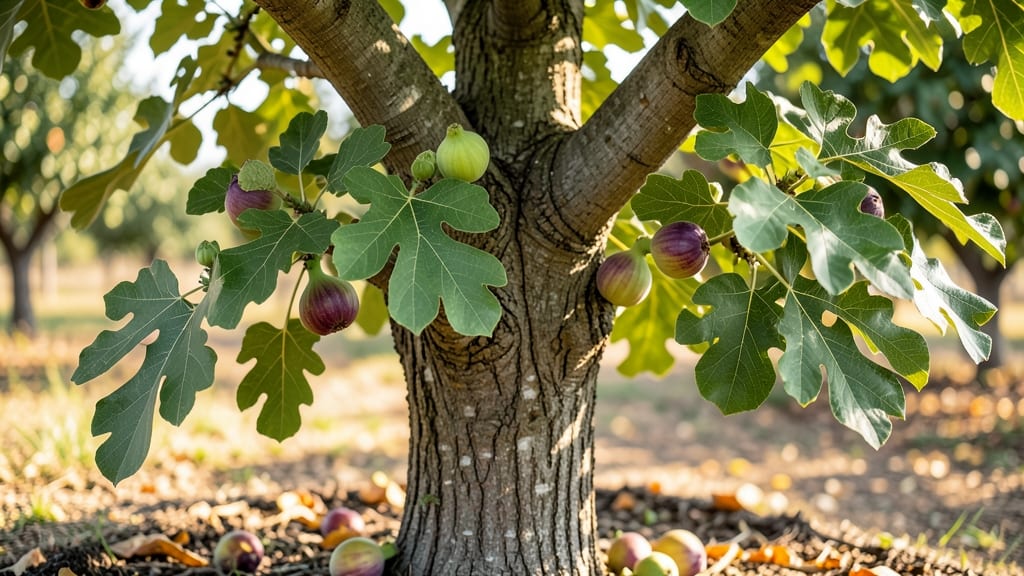
Understanding the fig tree fruit cycle 🍈 is the secret to predicting when your tree will bear fruit—and how to maximize its harvest.
If you’ve ever wondered why your fig tree produces fruit at different times—or why some figs ripen while others stay green—understanding its unique fruit cycle is the key to a bountiful harvest.
This isn’t just about waiting for the fruit to appear; it’s about recognizing the four distinct stages of development, from early blooms to full ripeness. Each phase depends on temperature, sunlight, and even your tree’s variety, so knowing what to expect helps you adjust care for the best results.
In this guide, I’ll walk you through each stage, explain how climate and variety play a role, and share tips to avoid common mistakes that can stall your harvest.
The 4 stages of a fig tree’s fruit development cycle
Fig trees follow a fascinating fruit development cycle that can feel mysterious if you’re new to growing them. Unlike many fruit trees, figs don’t rely on pollinators for fertilization—they’re actually parthenocarpic, meaning their fruit develops without pollination.
This unique process happens in four distinct stages, each with its own visual cues and care requirements.
The cycle begins in spring when your tree produces flower buds that will transform into fruit. Understanding these stages helps you predict harvest times, adjust care routines, and troubleshoot if something goes wrong. For example, temperature shifts and water stress during these phases can dramatically affect fruit quality and quantity.
📌 Pro Tip: Keep a garden journal to track your fig tree’s cycle year after year—this helps you anticipate care needs and optimize fruit production.
| Stage | Duration | Visual Cues | Care Focus |
|---|---|---|---|
| Initial Bloom | 2-4 weeks | Tiny green bumps appear on branches | Prune dead branches, ensure full sun |
| Fruit Swelling | 4-6 weeks | Figs grow rapidly, skin turns pale green | Deep watering, balanced fertilizer |
| Color Development | 3-5 weeks | Skin deepens to purple, brown, or yellow | Monitor for pests, reduce water slightly |
| Ripening | 2-3 weeks | Skin softens, fruit yields when squeezed | Harvest when ready, avoid overwatering |
The first stage, initial bloom, occurs when tiny green figs appear as small bumps on your tree’s branches. These aren’t flowers but syconia, which contain hundreds of tiny flowers that self-pollinate.
This stage typically begins in late spring, around May to June, depending on your climate zone and fig variety.
During the fruit swelling stage, your figs will grow rapidly—sometimes doubling in size within weeks. This is when proper watering techniques become critical. Figs need deep soak watering every 7-10 days to support this growth spurt, but avoid waterlogging the roots, which can cause fruit drop.
Watch for color changes as your figs enter the third stage. Varieties like Brown Turkey will develop deep purple hues, while Celeste figs turn a pale green-yellow. This is also when you’ll notice the skin becoming slightly leathery—a key indicator that ripening is underway.
In the final ripening stage, your figs will soften and develop their signature sweetness. The best way to test readiness is the gentle squeeze test: ripe figs yield slightly when pressed. Harvest them immediately to prevent overripening, which can lead to a mushy texture.
🌱 Variety Note: Some fig trees produce two crops per year—one on new wood (current year’s growth) and another on old wood (previous year’s branches). Understanding this helps you manage pruning and care for optimal yields.
If your figs aren’t progressing through these stages as expected, check for common issues like nutrient deficiencies or pest damage. Yellowing leaves during fruit swelling often indicate a need for more potassium-rich fertilizer, while tiny holes in figs suggest fruit flies or wasps.
By familiarizing yourself with these four stages, you’ll gain confidence in predicting harvest times and providing the right care at each phase. Pay attention to your tree’s unique timing—some varieties ripen in late summer, while others may produce a second crop in early fall.
How climate and variety affect fig tree fruit production timing
Fig trees are fascinating because their fruit production timing varies dramatically based on climate and variety. Some varieties produce fruit just once a year, while others—like the popular Brown Turkey—can bear fruit twice annually.
This difference stems from how each type responds to temperature shifts and daylight hours. Understanding these factors helps you predict when to expect harvests and adjust care accordingly.
The key to unlocking your fig tree’s fruiting schedule lies in recognizing its bearing type. There are two main categories: unifloral (single crop) and bifloral (two crops).
Unifloral varieties, such as Celeste or Violette de Bordeaux, produce fruit in response to temperature changes, typically in late summer or fall.
Bifloral varieties, like Desert King or Mission, offer two harvests: one in early summer (from last year’s growth) and another in late summer/fall (from current year’s growth).
Your local climate plays a huge role in when figs ripen. In warmer zones (8-11), bifloral varieties like Black Mission produce an early summer crop from last year’s wood, followed by a larger fall crop from current year’s growth.
In cooler zones (6-7), unifloral varieties like Chicago Hardy may only produce one crop in late summer, as cold winters can limit growth. Even within the same zone, microclimates matter—south-facing walls or greenhouses can extend the growing season by 2-4 weeks.
Sunlight exposure directly impacts fruit development. Figs need 6+ hours of direct sun daily to set fruit, but too much intense heat (above 95°F) can cause fruit drop. In hotter regions, provide afternoon shade to protect developing figs.
Conversely, in cooler climates, maximize sunlight exposure to ensure fruit matures before the first frost. Mulching with straw or wood chips helps regulate soil temperature, creating a more stable environment for consistent fruiting.
Temperature fluctuations trigger fig production. Bifloral varieties rely on a period of cool winter temperatures (below 40°F) to break dormancy and produce the early summer crop. If winters are too mild, the tree may skip this first harvest.
For unifloral types, a heat wave in late summer often signals the start of fruit development. Monitoring your local degree-day accumulation (a measure of heat exposure) can help predict fruiting times more accurately.
If you’re growing figs in containers, timing becomes even more critical. Potted figs may produce fruit earlier in the season due to warmer root zones, but they’re also more sensitive to temperature swings.
Move containers to a sheltered spot if frost is forecast, and consider using black plastic mulch in spring to warm the soil faster. With the right variety and climate awareness, you can enjoy figs from June through October—or even year-round in frost-free zones!