
Planting
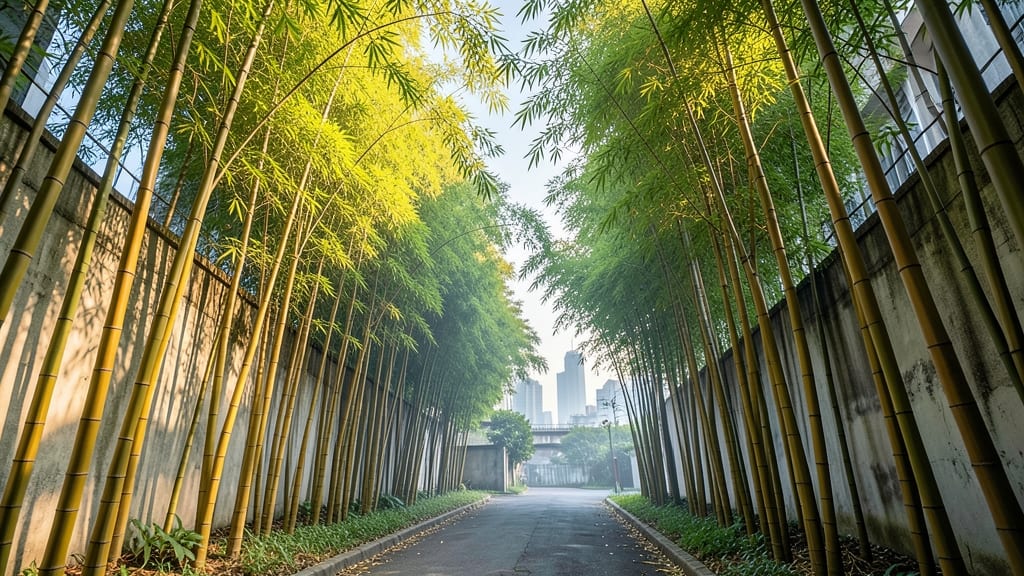
Transforming your outdoor space with trees adds beauty, shade, and ecological benefits. These ten year-round tree planting ideas showcase climate-resilient species and creative designs that thrive in diverse environments, from urban backyards to rural landscapes.
Drought-Tolerant Olive Trees for Mediterranean Climates
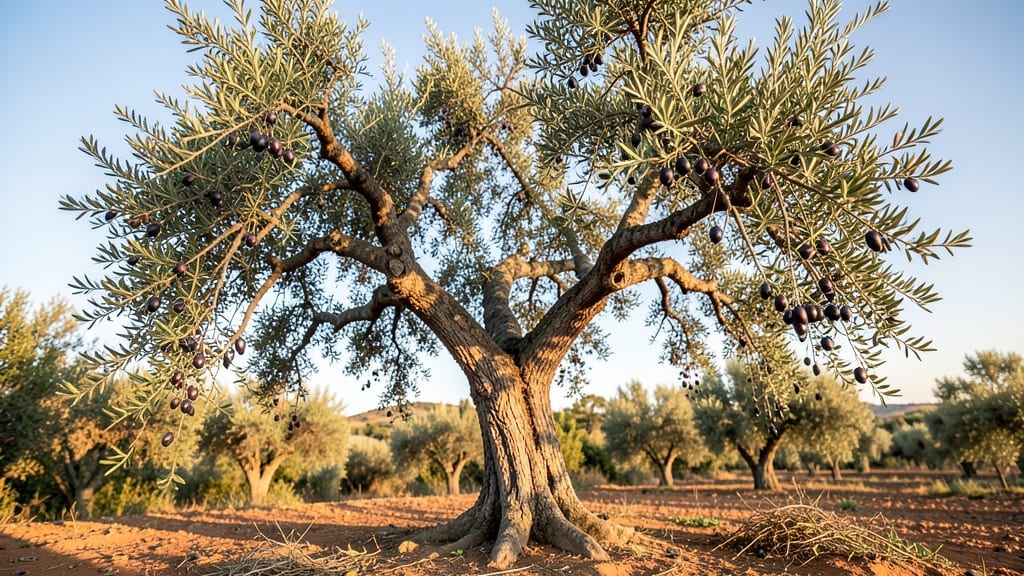
Imagine a tree that thrives on neglect, produces delicious fruit, and adds Mediterranean charm to your landscape—olive trees do all three! These drought-resistant powerhouses are perfect for hot, dry climates where water conservation is key, yet they reward you with silvery-green foliage and edible olives.
Once established, olive trees require minimal watering—just 1-2 inches per month during dry spells—and they tolerate poor, rocky soil better than most trees. Plant them in full sun (6+ hours daily) for best growth, and prune lightly to shape their natural, elegant form. Varieties like 'Arbequina' or 'Manzanillo' are ideal for home gardens, offering both ornamental beauty and harvestable fruit.
This tree is ideal for gardeners in USDA zones 8-10 who want low-maintenance, multi-functional plants. Whether you're designing a rustic courtyard or a modern urban garden, olive trees bring timeless Mediterranean flair with minimal effort. 🌿
Fast-Growing Willow Trees for Privacy Screens
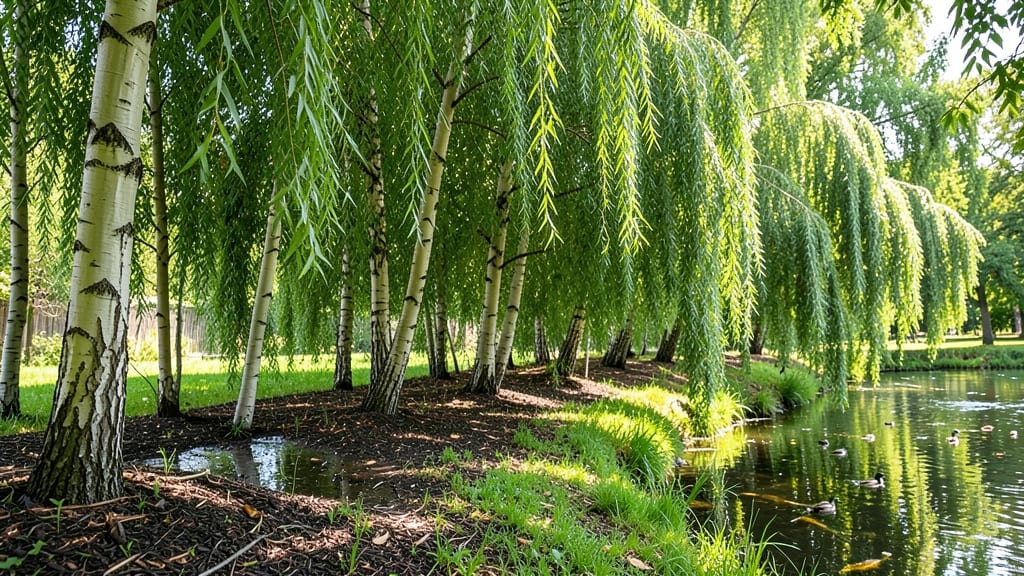
Want to transform your noisy or unsightly property line into a lush, living barrier in record time? Willow trees are nature's fastest-growing privacy solution, shooting up to 10 feet per year with minimal effort from you.
These versatile trees thrive in moist soils—ideal for planting near ponds, streams, or even rain gardens—and their aggressive root systems create dense screens that block wind and prying eyes. For maximum impact, plant weeping willow varieties along fences or borders, where their graceful, drooping branches add elegance while providing instant seclusion.
Perfect for urban gardeners, rural landowners, or anyone craving quick results, willows deliver both function and beauty with almost no maintenance beyond occasional pruning. Just be prepared for their rapid growth—it's why they're called the "privacy powerhouses" of the tree world! 🌿
Cold-Hardy Japanese Maple for Ornamental Gardens
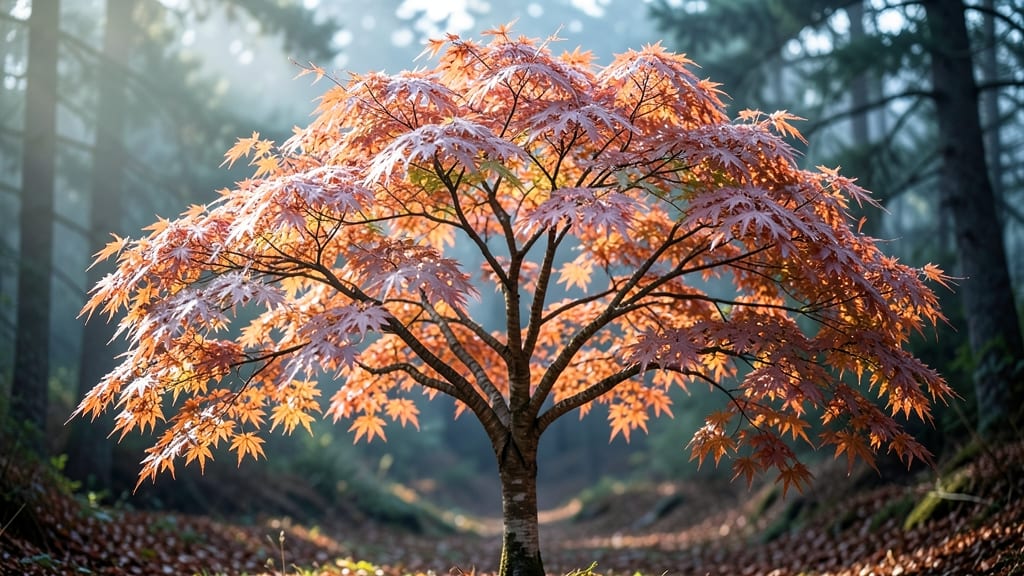
If you love a garden that sparkles in every season, the Japanese maple delivers year-round color without the fuss of seasonal replacements. Unlike many trees that fade into green during winter, these beauties transform from delicate spring blooms to fiery autumn hues and even hold onto subtle winter tones in colder climates.
Choose from varieties like 'Bloodgood' (deep red foliage) or 'Emperor I' (purple leaves) for dramatic impact. Their compact size makes them ideal for small gardens or large containers (15-20 gallon pots work well), and they thrive in partial shade—perfect for understory planting or patio centers. Prune in late winter to shape the tree while it's dormant, and mulch annually to protect roots in cold snaps.
This tree is especially rewarding for gardeners who want low-maintenance elegance with high visual payoff. Whether you're dressing up a tiny courtyard or adding height to a container arrangement, Japanese maples bring sophistication to any space. 🌷
Edible Fruit Trees for Urban Food Gardens
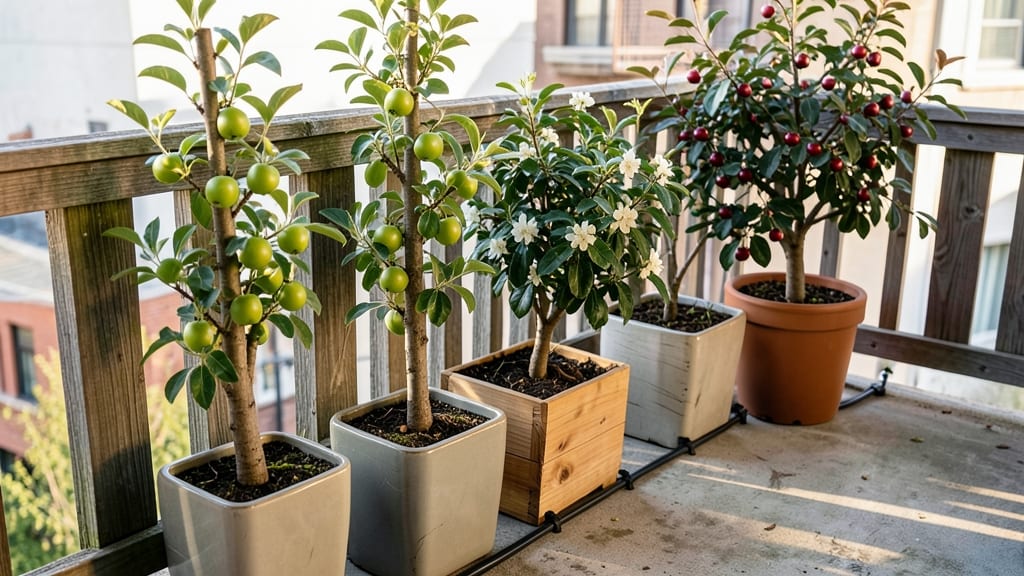
Turn your balcony or tiny urban yard into a productive orchard with dwarf fruit trees—they deliver full-sized flavor in a fraction of the space. Varieties like columnar apples, spindle pears, or semi-dwarf cherries mature at just 6-10 feet tall, making them ideal for containers or raised beds.
These trees thrive with 4-6 hours of sun daily and tolerate city conditions once established. Choose self-pollinating varieties (like 'Columnar Honeycrisp' apples) to simplify planting, and prune annually to encourage fruit production. Many dwarf trees even produce harvests within 2-3 years of planting—perfect for impatient urban gardeners.
Permaculture enthusiasts will love how these trees integrate into food forests, while balcony gardeners gain fresh produce without sacrificing square footage. 🌱
Native Oak Trees for Long-Term Forest Restoration
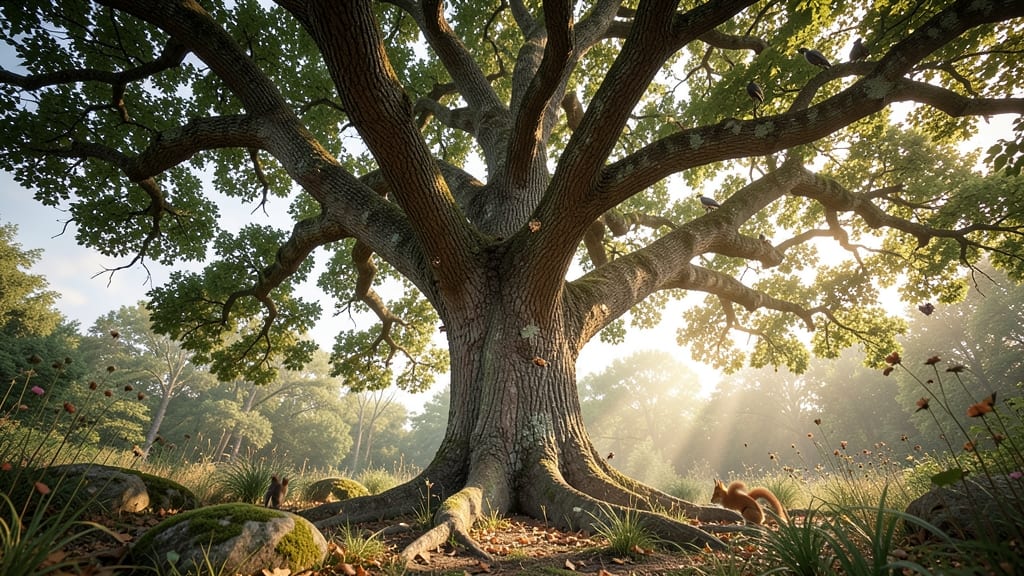
Want a tree that doesn’t just live for decades but becomes the heart of your ecosystem? Native oak trees are the ultimate long-term investment—supporting hundreds of insect, bird, and mammal species while growing into stately giants that outlast human lifetimes.
Oaks thrive in full sun to partial shade and adapt to various soil types, though they prefer well-draining conditions. Plant acorns or young saplings in early spring or fall for the best establishment, and space them 30-50 feet apart to allow their sprawling canopies to develop. Their deep roots also improve soil health over time.
This is the perfect choice for landowners committed to wildlife conservation or those who want a legacy tree. Even urban gardeners with space can plant smaller varieties like bur oaks for a scaled-down impact. 🌟
Bonsai Trees for Indoor Miniature Gardens
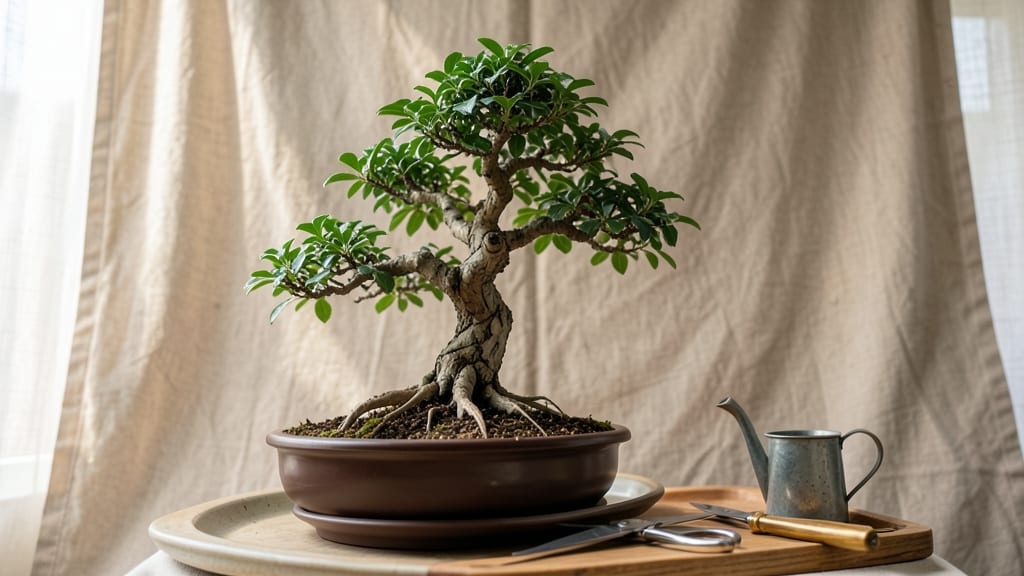
If you’ve ever dreamed of nurturing a living work of art without needing a yard, bonsai trees are your perfect indoor escape. These miniature masterpieces transform any apartment into a serene, green sanctuary—no outdoor space required. The art of bonsai isn’t just about growing a small tree; it’s about shaping nature’s beauty through patience and precision.
Start with a juniper, ficus, or pine—each offers unique textures and care routines. Use well-draining soil and a shallow pot with drainage holes to prevent root rot. Prune regularly to maintain shape, and wiring branches (gently!) helps guide growth over time. Place your bonsai near bright, indirect light (a south- or east-facing window works best), and mist the leaves weekly to mimic humidity. The key? Consistency—bonsai thrive on routine, making them ideal for busy urban dwellers.
This practice is more than gardening; it’s a meditative hobby that rewards you with a lifelong companion and a conversation starter. Whether you’re a beginner or a seasoned plant parent, bonsai turns tiny spaces into tranquil, living art. 💚
Salt-Tolerant Mangrove Trees for Coastal Landscapes
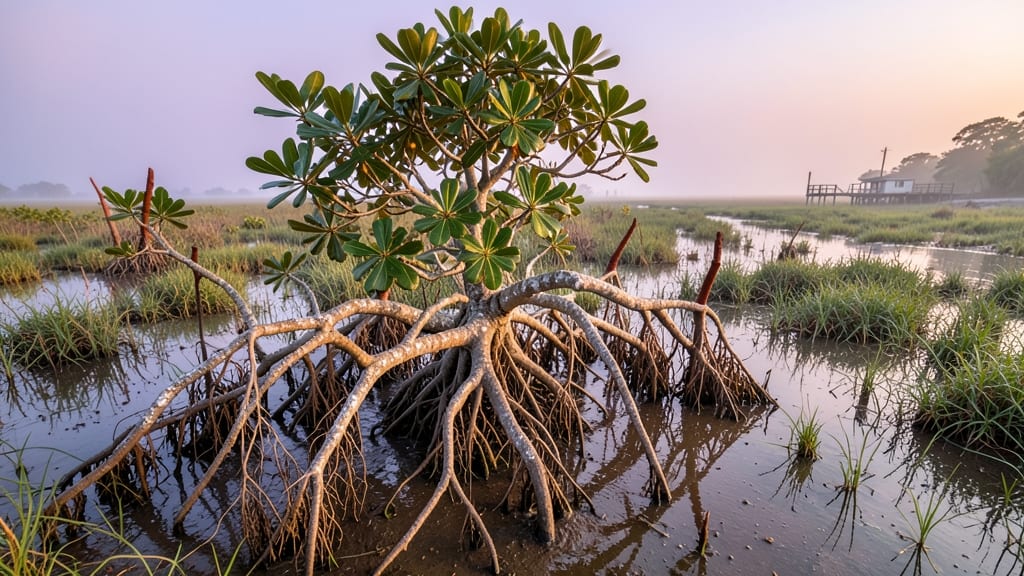
If you live near the coast, you’ve likely watched traditional trees struggle in salty, waterlogged soil—until now. Salt-tolerant mangrove trees don’t just survive in brackish water; they thrive, providing both beauty and critical shoreline protection.
These coastal powerhouses, like the red mangrove (Rhizophora mangle), develop specialized roots that filter salt while anchoring soil and preventing erosion. Plant them along seawalls or tidal zones for a self-sustaining ecosystem that supports fish, birds, and even crabs. They require full sun and tolerate flooding, making them ideal for beachfront properties where other trees would fail.
Perfect for eco-conscious homeowners or conservationists, mangroves offer a low-maintenance solution that doubles as a living barrier against storm surges. 🌿
Bioluminescent Trees for Nighttime Garden Magic
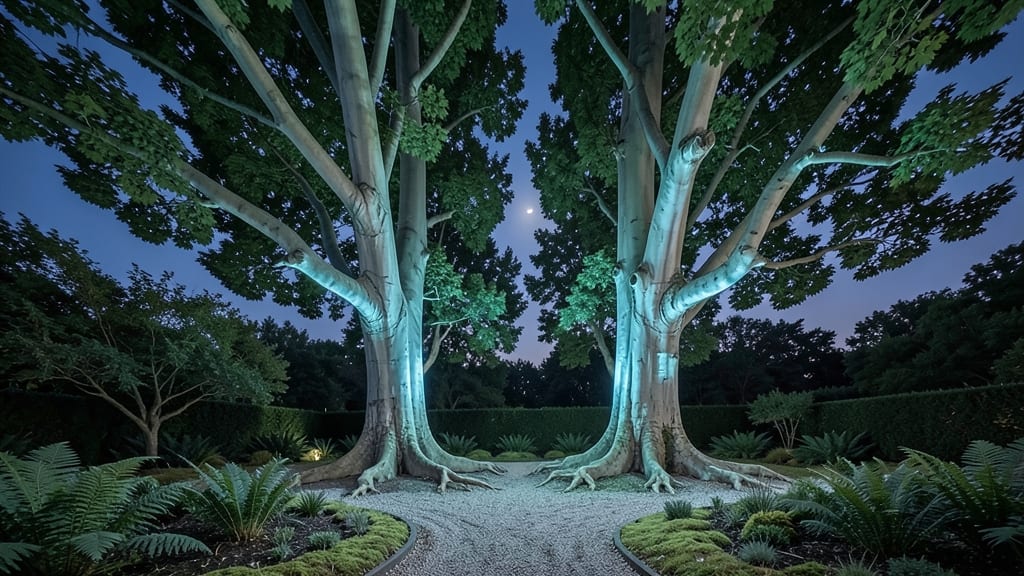
Skip the floodlights and create a moonlit garden with bioluminescent trees—nature’s own nighttime illuminators! These genetically enhanced or naturally glowing varieties (like the Sycamore or Poplar with bioluminescent traits) emit soft blue-green light after sunset, powered by harmless bacteria or engineered genes. No electricity needed—just pure, serene glow.
For best results, plant these in well-draining soil with partial shade to preserve their luminosity. While still experimental, some nurseries offer young saplings, and scientists are refining their stability. Pair them with fireflies or solar-powered garden decor to amplify the effect. Ideal for eco-conscious gardeners who want to reduce artificial lighting while adding whimsy.
Perfect for urban courtyards, meditation gardens, or wedding venues, these trees turn evenings into magical displays. Just imagine strolling through a glowing forest—no power bill required! ✨
Windbreak Trees for Farm and Ranch Lands
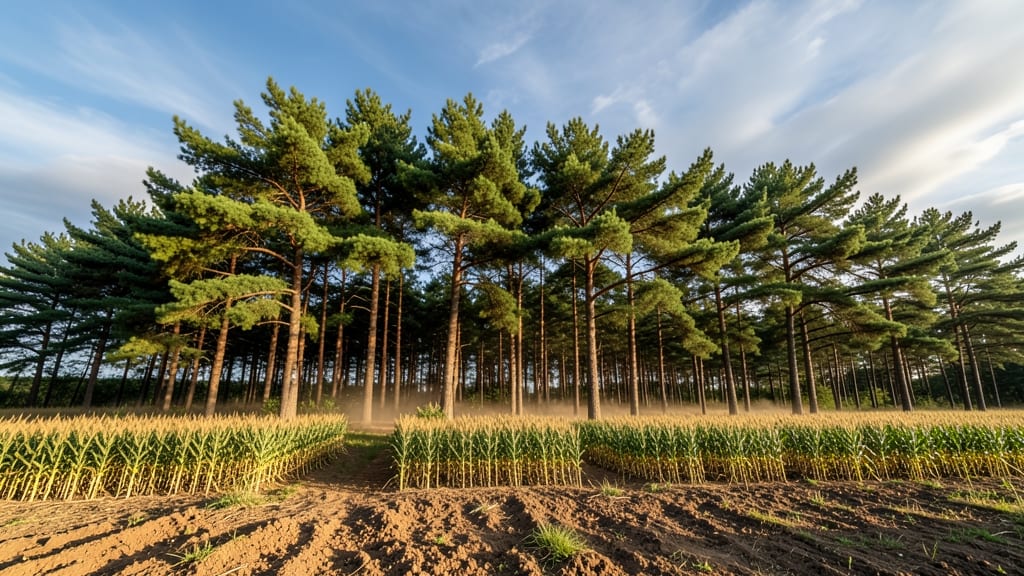
Farmers and ranchers know that harsh winds can devastate crops and strip away precious topsoil—windbreak trees solve both problems at once. By planting a row of fast-growing conifers like pine or spruce, you create a natural barrier that reduces wind speeds by up to 70% within just a few years, while their deep roots anchor loose soil in place.
These evergreens thrive in USDA zones 3-7 and can be spaced 10-15 feet apart for maximum coverage. Opt for native species like Eastern white pine or Colorado blue spruce, which grow 2-3 feet per year and require minimal care once established. The best time to plant is early spring, giving roots time to establish before summer heat.
This strategy isn't just for large-scale agriculture—small farms and homesteads benefit too by protecting gardens, livestock areas, and even outdoor storage. 💪
Air-Purifying Bamboo Trees for Polluted Areas

City dwellers with polluted air can finally breathe easier—literally! Bamboo trees act like nature's air purifier, filtering toxins like nitrogen oxides and particulate matter while growing at lightning speed. Unlike slow-maturing trees, bamboo can reach maturity in just 3-5 years, making it the fastest solution for cleaner urban air.
These hardy plants thrive in partial shade to full sun and tolerate poor soil conditions, requiring only moderate watering once established. Varieties like Fargesia robusta (clumping bamboo) stay contained and won't spread aggressively, perfect for small yards or container growing. Their dense foliage also provides year-round privacy and wind protection.
Ideal for eco-conscious urban gardeners, bamboo offers a low-maintenance way to improve air quality without sacrificing beauty. Just one clump can make a noticeable difference in your neighborhood's air purity! 🌿