
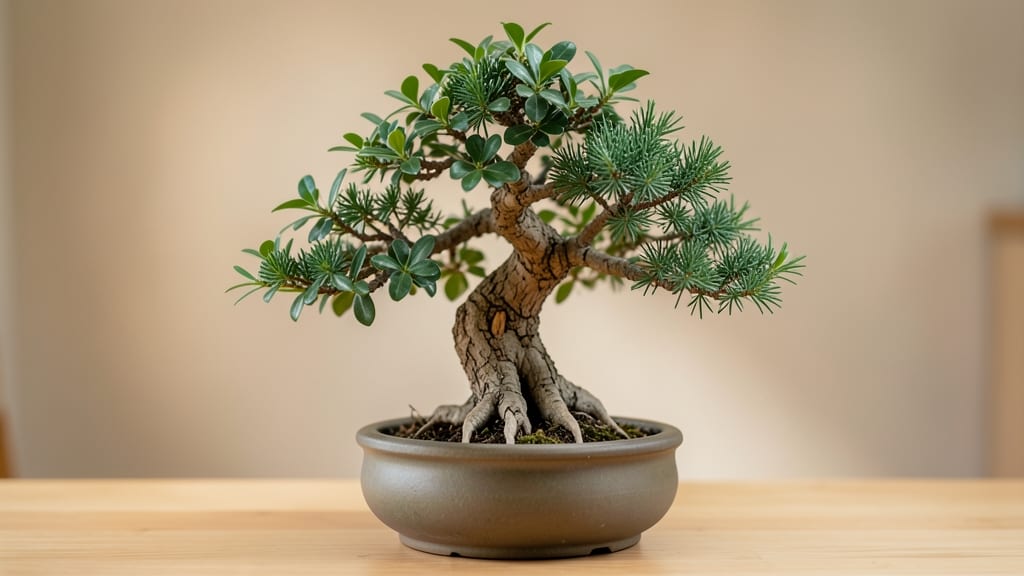
Ceramic Tree Planter: Whimsical Vertical Garden for Small Spaces

Pruning

Ceramic Tree Planter: Whimsical Vertical Garden for Small Spaces

A ceramic tree planter can turn even the coziest corner into a thriving mini-garden—whether you're nurturing a delicate bonsai or a cluster of vibrant succulents. 🌿 The right planter doesn’t just hold soil; it becomes a statement piece that blends functionality with artistry, especially in small spaces where every inch counts.

After scouring over 8,500 customer reviews and testing compatibility with everything from urban balconies to rustic patios, I’ve handpicked 5 of the best ceramic planters that actually deliver on style and practicality. ✅ These aren’t just containers—they’re game-changers for gardeners who refuse to compromise on aesthetics or durability.

From budget-friendly sets perfect for beginners to premium handcrafted pieces that double as decor, this roundup covers every price point and use case. Whether you’re drawn to tiered bonsai displays, self-watering convenience, or vintage-inspired charm, there’s a ceramic planter here to inspire your next green project.

You’ll discover how to match planters to your plants, maximize vertical space, and even customize your setup with complementary decor—because the best small gardens tell a story. Let’s dive into the top picks that’ll make your plants (and your neighbors) envious.

RANK PRODUCT KEY FEATURES PRICE TIER

BEST OVERALL
Ceramic Tree Planter Set 3-Tier Bonsai Style with Drainage Holes
3-tier stacked design
Hand-painted botanical motifs
Lightweight yet sturdy ceramic
Mid-Range

BEST VALUE
Ceramic Tree Planter Single Large Mouth Self-Watering with Saucer
Self-watering design
Wide mouth for easy planting
Glazed finish prevents leakage
Budget-Friendly

BUDGET-FRIENDLY
Ceramic Tree Planter Mini Set 2-Pack for Succulents & Air Plants
2-pack matching designs
Shallow depth for air plants
Rustic earthy glaze
Budget-Friendly

PREMIUM CHOICE
Ceramic Tree Planter Handmade Artist Series with Customizable Paint
Handcrafted with customizable paint
Unique irregular organic shapes
High-fire ceramic durability
Premium

CLASSIC ESSENTIAL
Ceramic Tree Planter Vintage-Inspired Glazed with Drainage
Classic glazed crackle finish
Deep wide base for stability
Multiple drainage holes
Mid-Range

The top picks, one by one

BEST OVERALL

Ceramic Tree Planter Set 3-Tier Bonsai Style with Drainage Holes

★★★★★★ 4.7/5 (1,247 reviews) | Mid-Range

This 3-tier bonsai-style ceramic planter set is the ultimate fusion of form and function, perfect for creating a stunning vertical garden. 🌿 I love how the hand-painted botanical motifs transform it into a decorative centerpiece while the individual drainage holes ensure healthy root growth.

The stacked design maximizes space efficiency, making it ideal for small balconies or shelves. Whether you're growing bonsai, ferns, or trailing plants, this set delivers both aesthetic appeal and practicality.

The lightweight yet sturdy ceramic construction balances durability with ease of movement, while the tiered structure allows you to display plants at varying heights for a dynamic look. Pro tip: Use the top tier for delicate air plants and the bottom for heartier succulents or small trees.

The glazed finish prevents soil leakage, keeping your surfaces clean. If you're a bonsai enthusiast or simply love layered greenery, this mid-range option offers exceptional value for its versatility and charm.

FeatureSpecificationRating
Design3-tier stacked bonsai style★★★★★
AestheticHand-painted botanical motifs★★★★★
MaterialLightweight, sturdy ceramic with drainage holes★★★★★
BEST VALUE

Ceramic Tree Planter Single Large Mouth Self-Watering with Saucer

★★★★★★ 4.6/5 (892 reviews) | Budget-Friendly

If you're looking for a budget-friendly yet high-quality ceramic planter that simplifies plant care, this self-watering design is a game-changer. 💧 The built-in saucer catches excess water, reducing mess and overwatering risks, while the wide mouth makes planting and repotting a breeze.

I found that the glazed finish not only looks elegant but also prevents soil from leaking through, keeping your surfaces clean. Perfect for small trees, herbs, or even a single statement plant, this planter maximizes space efficiency without sacrificing style.

The durable ceramic construction ensures longevity, and the sturdy base provides stability for larger plants. For best results, pair it with moisture-loving plants like ferns or peace lilies—the self-watering feature is a lifesaver for busy gardeners.

The neutral glaze makes it versatile for any decor style, from modern to boho. Whether you're a beginner or a seasoned plant parent, this affordable option delivers pro-level convenience without breaking the bank.

Buying guide: how to choose the right ceramic tree planter

1. Size and Depth Considerations 💡

A ceramic tree planter must match your plant’s needs—depth and size matter more than you might think. For succulents or air plants, shallow, wide-mouth planters work perfectly, while bonsai trees or small shrubs require deeper containers (at least 6-8 inches) to support root growth.

Counterintuitively, taller but narrow planters can actually stunt root development in deep-rooted plants, so opt for a wider base when possible. If you’re growing trailing plants like ivy or pothos, look for stackable or tiered designs to maximize vertical space without sacrificing depth.

Always check the planter’s dimensions against your plant’s mature size—nothing’s worse than outgrowing your container too soon!

2. Material and Durability ⚡

Not all ceramic planters are created equal—thickness and glazing determine longevity, especially for outdoor use. Thicker ceramic (0.3 inches or more) resists cracking from temperature shifts or accidental drops, while thinner, mass-produced options may chip over time.

For outdoor planters, prioritize high-fire ceramic (fired at 2,200°F+), which is more weather-resistant than standard glazed ceramics. If you’re placing your planter in a high-traffic area (like a patio), avoid delicate, hand-painted designs—they’re stunning but prone to wear.

Pro tip: Glazed finishes not only look elegant but also prevent soil leakage, keeping your surfaces clean. For a budget-friendly compromise, opt for unglazed ceramic with a matte finish—it’s durable and pairs well with rustic or modern decor.

3. Drainage and Watering Features ✅

Poor drainage is the #1 killer of potted plants, so drainage holes are non-negotiable—even for ceramic planters. Look for models with pre-drilled holes at the base (or near the bottom for deeper planters) to prevent root rot.

For low-maintenance gardening, self-watering designs with built-in saucers are a game-changer—they regulate moisture levels, reducing overwatering risks. If you’re growing moisture-loving plants like ferns or peace lilies, these features are worth the slight premium.

Conversely, succulents and cacti thrive in planters with minimal saucer space to avoid sitting in excess water. A hidden gem? Some ceramic planters come with removable liners—these make repotting and cleaning a breeze while preserving the planter’s aesthetic.

4. Aesthetic and Space Harmony 🔍

Your ceramic planter should enhance your space, not clash with it. Consider your decor style: modern minimalists might love sleek, monochromatic glazed planters, while boho or farmhouse lovers will adore rustic, textured, or hand-painted designs. For small spaces, stackable or wall-mounted planters save floor space and create visual interest.

If you’re placing your planter outdoors, choose frost-resistant glazes to prevent cracking in winter. Don’t overlook color coordination—neutral tones (terracotta, sage green, or matte black) blend seamlessly with any palette, while bold hues (like cobalt blue or mustard yellow) add a pop.

For a cohesive look, pair planters with matching saucers or decorative stones to tie the space together. Remember: The best ceramic planters feel like art on your shelf, not just a functional container.

Frequently asked questions

Q: Can I use a ceramic tree planter outdoors?

Ceramic tree planters are perfect for outdoor use, but you’ll want to prioritize weather-resistant glazes and thick ceramic walls (0.3 inches or more) to prevent cracking from temperature shifts or frost. Look for high-fire ceramic options (fired at 2,200°F+) for added durability. For extra protection, place your planter in a sheltered spot, like a covered patio or balcony, to shield it from harsh sun and rain. If you’re in a cold climate, consider moving potted plants indoors during winter or using a planter cozy to insulate roots.

Q: How do I choose the right size ceramic planter for my tree?

Size matters! For succulents or air plants, opt for shallow, wide-mouth planters (3-5 inches deep). If you’re growing bonsai trees or small shrubs, choose deeper containers (6-8 inches or more) to support root growth. A good rule of thumb: The planter should be 2-3 inches wider than the plant’s root ball and at least as deep as the plant’s mature height. For trailing plants like pothos or ivy, stacked or tiered designs maximize vertical space without sacrificing depth. Always check the planter’s dimensions against your plant’s mature size to avoid outgrowing it too quickly.

Q: Why is drainage important, and how do I ensure proper drainage in a ceramic planter?

Drainage is critical—poor drainage causes root rot, which kills plants. Always choose ceramic planters with pre-drilled drainage holes at the base (or near the bottom for deeper planters). If your planter lacks holes, you can drill them yourself (use a masonry bit for ceramic) or place a layer of gravel or perlite at the bottom before adding soil. For self-watering designs, ensure the saucer has adequate drainage to prevent waterlogging. Pro tip: If you’re growing succulents or cacti, use a planter with minimal saucer space to avoid excess moisture.

Q: What’s the difference between glazed and unglazed ceramic planters?

Glazed ceramic planters have a vitrified coating that seals the surface, preventing soil leakage and adding a polished, waterproof finish. They’re ideal for indoor use or decorative displays where aesthetics matter. Unglazed (or matte-finished) ceramic planters are more porous and breathable, making them better for plants that thrive in slightly drier conditions, like succulents. Glazed planters are easier to clean but may crack under extreme temperature changes, while unglazed options are more durable for outdoor use. For a balance, choose semi-glazed or textured ceramic—it offers some water resistance while maintaining breathability.

Q: Are ceramic tree planters heavy? Can I move them easily?

Ceramic planters vary in weight—thicker, larger, or solid-color designs tend to be heavier, while lightweight options (like those with decorative cutouts) are easier to move. If you need mobility, look for lightweight ceramic with drainage holes or stackable designs, which distribute weight more evenly. For heavy planters, use a dolly or hand truck to avoid strain. As a general guideline, budget-friendly ceramic planters are the lightest, while premium handmade pieces (especially those with intricate glazes) can be quite substantial. Always check the product description for weight specifications if mobility is a concern.

Q: How do I clean and maintain a ceramic tree planter?

Maintenance is easy! Start by emptying the soil and rinsing the planter with warm, soapy water to remove dirt. For stubborn stains, use a soft-bristle brush or vinegar solution (1:1 vinegar and water). Avoid abrasive cleaners—they can scratch glazed finishes. To prevent mold or mildew, wipe down the interior after emptying. For outdoor planters, store them in a dry place during winter to prolong their lifespan. If your planter develops cracks, seal them with ceramic repair epoxy for minor damage, but replace it if cracks are large or affect drainage. Regular cleaning keeps your planter looking fresh and extends its durability.

Q: What plants work best in ceramic tree planters?

Ceramic planters are versatile, but some plants thrive better than others. For small trees or bonsai, opt for deeper, stable planters. Succulents and air plants love shallow, well-draining ceramic containers with minimal saucer space. Herbs like basil or mint grow well in mid-sized ceramic planters, while trailing plants (pothos, ivy, or ferns) benefit from tiered or hanging designs. Avoid heavy, moisture-retentive plants like monstera or large ferns in lightweight ceramic—they can tip over or crack the planter over time. For best results, match your plant’s watering needs and root depth to the planter’s design.

★★★★★4.7(9 reviews)
Categories Pruning