
Diseases
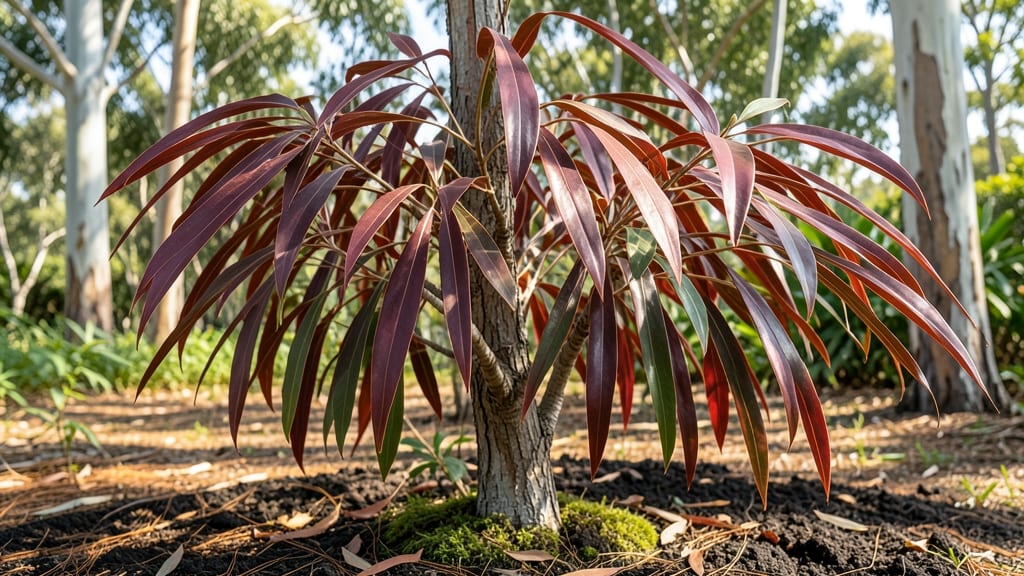
When your eucalyptus tree 🌳 develops red leaves instead of the usual green, it’s a clear sign something’s off—and it’s time to act fast.
Picture this: You’ve poured love into your towering eucalyptus, only to notice its once-lush foliage turning a striking red. That’s not just a seasonal quirk—it’s a distress call.
Whether it’s a nutrient deficiency, environmental stress, or even pests, red leaves mean your tree is struggling to thrive in USDA Zone 6 conditions.
Don’t panic—most causes are fixable with the right adjustments. From soil testing to smart watering, we’ll break down the top 5 reasons your eucalyptus is sending red signals and how to restore its vibrant green health.
By the end, you’ll know exactly how to diagnose the problem, apply targeted solutions, and keep your eucalyptus strong for years to come.
5 Common causes of red leaves on eucalyptus trees
Eucalyptus trees are prized for their striking silver-blue foliage and towering growth, but when their leaves turn bright red, it’s a clear distress signal. This color change isn’t just about aesthetics—it’s your tree’s way of telling you something’s wrong.
The good news? Most causes are fixable with the right approach. Understanding these red-leaf triggers helps you act fast before the problem spreads.
Red leaves on eucalyptus typically appear as patchy discoloration or uniform reddening, often starting on younger leaves before spreading. The exact shade—ranging from pinkish-red to deep burgundy—can hint at the underlying issue.
For example, nutrient deficiencies often cause yellow-green edges turning red, while environmental stress may produce uniform reddening across the leaf surface.
Let’s break down the top 5 causes of red leaves, from nutrient imbalances to environmental extremes, and what each looks like in practice. Recognizing these signs early can save your eucalyptus from decline.
🌳 Numbered Highlights: 5 Causes of Red Eucalyptus Leaves
-
1. Overwatering or Poor Drainage
Soggy soil triggers root rot, causing leaves to turn reddish-brown at edges. Check for yellowing between veins and mushy stems. -
2. Nutrient Deficiencies
Lack of magnesium or iron causes interveinal reddening. Test soil—deficiencies often appear as reddish-purple undersides on new growth. -
3. Temperature Stress
Frost or heat waves (>95°F) cause sudden reddening. Leaves may also curl or scorch at edges. Protect young trees with shade cloth. -
4. Fungal Infections
Diseases like anthracnose create reddish-brown spots with yellow halos. Check for powdery mildew (white fuzzy patches) on undersides. -
5. Pest Damage
Sap-sucking pests (e.g., psyllids) cause sticky residue and reddish leaf tips. Look for tiny black insects or webbed clusters.
💡 Pro Tip: Start by inspecting leaf undersides and soil moisture—these clues often reveal the root cause.
Let’s dive deeper into each cause, including how to spot the difference between them and what your eucalyptus is truly lacking. For example, overwatering often goes hand-in-hand with poor drainage, creating the perfect storm for root rot.
If your tree’s leaves feel slimy or mushy when touched, that’s a red flag (pun intended) for excess moisture.
Nutrient deficiencies are another common culprit, especially in sandy or alkaline soils. Eucalyptus trees thrive in slightly acidic to neutral soil (pH 6.0–7.0), but if your soil is too alkaline, essential nutrients like iron and magnesium become locked away.
This deficiency often shows up as reddish-purple veins on new leaves, a clear sign your tree isn’t getting enough micronutrients.
Temperature stress is particularly tricky because it can happen overnight. A sudden frost event or heatwave can cause leaves to turn red almost instantly. If you notice reddening after an unusual weather shift, your eucalyptus is likely struggling to adapt.
In these cases, mulching with organic matter can help regulate soil temperature and protect roots.
Fungal infections, such as anthracnose or powdery mildew, thrive in humid conditions and poor air circulation. These diseases don’t just cause red leaves—they often lead to leaf drop and stunted growth.
If you spot dark spots with yellow borders, prune affected branches immediately and apply a copper-based fungicide to prevent spread. Always sterilize your pruners with rubbing alcohol to avoid cross-contamination.
Finally, pests like eucalyptus psyllids or scale insects can drain your tree’s vitality, leading to reddish, crinkled leaves. These pests excrete sticky honeydew, which attracts sooty mold—another layer of stress for your tree.
A strong blast of water or neem oil spray can help dislodge them, but severe infestations may require insecticidal soap.
Each of these causes has a distinct visual signature, so take a close look at your tree’s leaves, stems, and soil before jumping to conclusions. For instance, red leaves with yellow edges often point to overwatering, while reddish-purple undersides suggest a nutrient deficiency.
By identifying the exact pattern, you can target your fixes and restore your eucalyptus to its vibrant self.
🌿 Remember: Act quickly! The longer red leaves persist, the higher
How to diagnose and fix red leaves on your eucalyptus tree
When your eucalyptus tree develops red leaves instead of the usual vibrant green, it’s a clear distress signal. The good news? Most causes are fixable with the right approach.
Start by examining the leaf texture, growth patterns, and soil conditions—these clues will point you to the root of the problem. For example, crispy red edges often indicate underwatering, while yellowing between veins suggests a nutrient deficiency.
Let’s break down how to diagnose and address each scenario.
First, check the soil moisture around your tree’s base. Stick your finger about 2 inches deep—if it feels bone-dry, your eucalyptus may be thirsty.
On the flip side, soggy soil or a musty smell could mean overwatering, which stresses roots and triggers reddening. Eucalyptus trees prefer well-draining soil and dislike sitting in water, so adjust your watering schedule accordingly.
Aim for deep watering once a week for established trees, or more frequently during hot summers.
⚠️ callout warning
Next, inspect the leaf edges and undersides for signs of pests like aphids or spider mites. Tiny webs or sticky residue (honeydew) are red flags.
Treat infestations with a neem oil spray (1 tsp neem oil + 1 quart water) or insecticidal soap, applying it in the early morning for best results.
If you spot chewed leaves, caterpillars or beetles might be the culprits—handpick them or use Bt (Bacillus thuringiensis), a natural bacteria-based pesticide.
For nutrient deficiencies, focus on iron or magnesium, which often cause reddening. Conduct a soil test (available at garden centers) to confirm. If iron is lacking, apply iron sulfate or chelated iron according to package instructions.
For magnesium, work Epsom salt (1 tbsp per gallon of water) into the top 6 inches of soil every 4-6 weeks during the growing season. Organic options like composted manure or worm castings can also boost soil fertility over time.
Don’t overlook environmental stressors like temperature fluctuations or wind exposure. Eucalyptus trees thrive in full sun but can develop red leaves if suddenly exposed to cold drafts or scorching afternoon heat.
If your tree is near a heat source (like a pavement or building), consider adding mulch (2-3 inches of wood chips) to insulate roots. For young trees, use burlap windbreaks if your area is particularly windy.
Monitor your tree’s growth rate—slow or stunted growth paired with red leaves often signals root stress.
Finally, create a quick-reference checklist to track progress: ☑️ Adjust watering (deep soaks, not frequent shallow watering) ☑️ Test soil for pH (ideal: 6.0-7.0) and nutrients ☑️ Prune damaged leaves to redirect energy to healthy growth ☑️ Apply fertilizer (balanced 7-9-5 NPK) in early spring ☑️ Protect from pests with neem oil or insecticidal soap ☑️ Mulch heavily to retain moisture and regulate temperature With these steps, your eucalyptus should bounce back to its lush green within 4-8 weeks, depending on the cause. 🌿