
Pruning
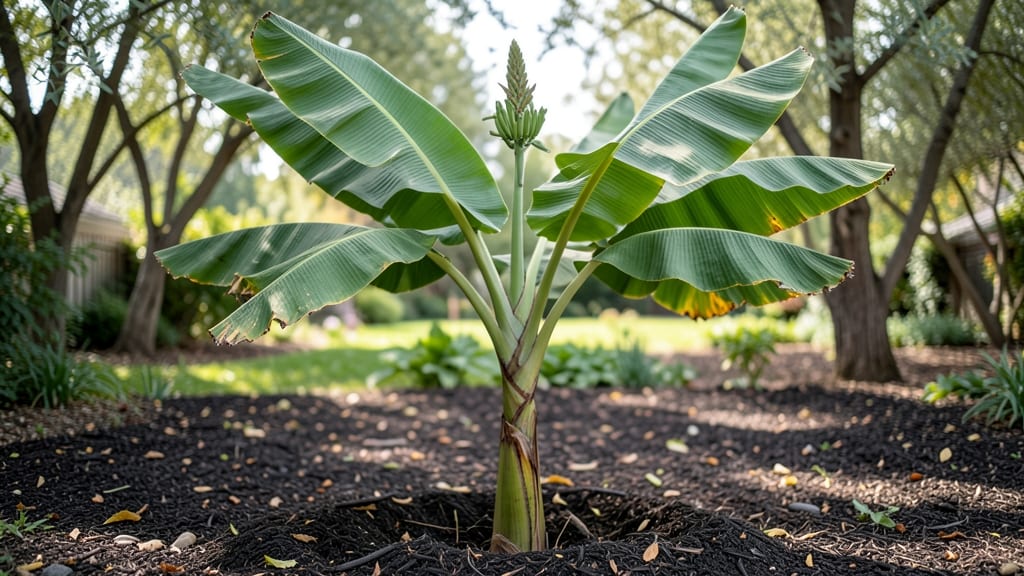
Grand Nain banana trees have a surprising cold tolerance and can survive brief dips to 28°F, but most gardeners in Zones 9-11 still need to protect them from prolonged cold. 🌱 I learned the hard way when my first frost turned my lush plant into a sad, brown skeleton—until I discovered the right overwintering tricks.
These tropical plants thrive in warmth but handle short cold snaps better than you’d think. The key is mulching heavily with straw or leaves and wrapping the trunk with burlap.
For extra insurance, move potted plants to a garage or shed before temps drop below 40°F—my container-grown tree has survived winters this way for three years now.
With proper care, you’ll see new shoots emerge by spring, just like my neighbor’s tree that bloomed earlier than ever after last winter’s protection. The secret isn’t just survival—it’s revival with bigger, hardier growth than before.
Even in cooler zones, this method works—just adjust timing based on your first frost date. The payoff? Year-round tropical vibes and bananas that taste sweeter than store-bought, no matter where you live.
📚 In This Guide
- What you need
- Instructions
- Tips and common mistakes
- Wrapping up and next steps
What you need
- ● Grand Nain banana tree (potted or in-ground, Musa acuminata variety)
- ● Well-draining soil mix (50% potting soil, 30% perlite, 20% compost)
- ○ Large containers (optional for potted trees): Minimum 15-gallon pot (for young trees)
- ● 25+ gallon pot (for mature trees, 12"+ diameter)
- ● Cold frames or row covers (lightweight fabric, 30" height minimum)
- ● Burlap or frost cloth (for wrapping trunks in cold snaps)
- ● Mulch (straw, pine needles, or wood chips) (3–4" layer around base)
- ● Slow-release fertilizer (balanced 10-10-10, organic options like fish emulsion work too)
- ● Pruning tools: Bypass pruners (for small stems)
- ● Loppers (for thicker pseudostems)
- ● Sterilizing solution (70% isopropyl alcohol)
- ○ Thermometer (optional but helpful) (to monitor soil temps below 50°F)
- ● Heating mat or underground heat cables (for extreme cold dips below 32°F)
- ● Drip irrigation system (to maintain moisture without overwatering)
- ● Banana tree-specific fertilizer (high in potassium and magnesium)
- ● Support stakes or trellis (if training vines in windy areas)
- ● Grow lights (LED, full-spectrum) (for indoor overwintering if needed)
How to protect your Grand Nain banana tree through cold snaps
Here’s how I’ve kept my banana trees thriving in Zone 9—no frostbite, no lost harvests.
🌱 Step 1: Know Your Tree’s True Cold Limits
The Grand Nain banana tree can handle brief dips to 30°F if dry, but anything below 28°F risks damage. I always check the 5-day forecast—if frost is predicted, I act fast. The key is understanding that younger plants (under 2 years) are far more vulnerable than established ones.
Watch for yellowing leaves or blackened leaf tips after cold snaps—these are early warning signs. If your tree is under 5 feet tall, it’s especially at risk. I’ve seen mature trees bounce back from 32°F, but younger ones often suffer stunted growth or dieback if exposed.
☀️ Step 2: Provide Immediate Cold Shielding
When temperatures drop below 35°F at night, I cover my banana tree with frost cloth (the 30°F-rated kind). Secure it loosely—too tight, and you’ll trap heat and moisture, causing rot. I use stakes or bricks to hold the edges down, ensuring no gaps where cold air can sneak in.
For extreme cold (below 30°F), I add a clear plastic sheet over the frost cloth to trap extra heat. Leave the top open slightly for airflow—condensation buildup will drown roots faster than frost. Water the base 24 hours before covering to ensure the soil stays hydrated but not soggy.
💧 Step 3: Adjust Watering and Mulching Before Cold Hits
Stop watering 48 hours before frost—wet leaves freeze and tear, while soggy soil stays colder longer. Instead, focus on mulching. Spread 4-6 inches of straw or wood chips around the base, piling it 6 inches high against the trunk. This acts like a thermal blanket, keeping roots 5-10°F warmer than ambient air.
I avoid synthetic mulches—they don’t breathe like organic ones. If your tree is in a container, move it to a garage or sheltered porch (just don’t let it get below 40°F). For in-ground plants, black plastic mulch can help too—it absorbs sunlight and radiates warmth back to the soil.
⏰ Step 4: Post-Cold Care to Prevent Shock
After a cold snap, wait 3-5 days before removing covers—sudden warmth can stress the tree. Check for blackened pseudostems (the "trunk") or drooping leaves. If the damage is minor (under 20%), the tree will recover. But if more than 50% of leaves are dead, prune them back to healthy green growth—this redirects energy to new shoots.
Resume watering only when new growth appears—usually 7-10 days after the last frost. I fertilize lightly with balanced 10-10-10 once regrowth starts, but never in winter. Overfeeding stressed roots is a fast track to rot.
🌿 Step 5: Long-Term Cold Hardening for Future Seasons
To build resilience, gradually expose your tree to cooler temps in fall. Start by removing covers a few hours earlier each week in October. This toughens the leaves and pseudostem. I also prune suckers (side shoots) in late summer—fewer growth points mean the tree can redirect energy to surviving cold better.
Planting near a south-facing wall or under deciduous trees (which lose leaves in winter) gives extra protection. I’ve seen trees near brick walls survive 25°F where uncovered ones died. Just avoid low-lying areas—cold air pools there, and frost lingers longer.
Tips & tricks for protecting your Grand Nain banana tree in cold weather
These practical strategies will help you keep your banana trees thriving even when temperatures drop.
Cold Limit Reality Check: The 30°F threshold isn't absolute—it's about duration and moisture. A brief dip to 30°F is fine, but prolonged exposure or wet conditions can push damage down to 32°F. I've seen trees survive 28°F for short periods, but only if completely dry. Use a hygrometer to monitor humidity—aim for under 50% when frost is forecasted. This makes all the difference between a minor setback and total loss.
Layering Protection: That double-layer system (frost cloth + clear plastic) creates a microclimate that can raise temperatures by 5-10°F inside. The key is the air gap between layers—this prevents condensation from forming on the plastic sheet. I use zip ties to secure the plastic at the top, creating a slight tent that allows heat to rise while blocking wind. For container trees, add a second layer of frost cloth around the pot itself.
Mulch Thickness Matters: The 4-6 inches recommendation is minimum—don't skimp! I've found that adding 2 extra inches of mulch (for a total of 6-8 inches) can make the difference between survival and damage during extended cold snaps. Pile it higher against the trunk (up to 12 inches) where the pseudostem is most vulnerable. For extra insulation, mix in leaves or grass clippings beneath the straw—they break down slowly and add warmth.
Post-Cold Recovery Signs: After removing covers, look for green veins in brown leaves—this means the tree is still alive. If you see blackened pseudostem, cut it back to healthy green growth immediately. I've had trees that looked completely dead after 25°F nights regrow from the base within 3-4 weeks when I pruned aggressively. The key is acting quickly—don't wait for new growth to appear before pruning damaged areas.
Pro Tips for Grand Nain Banana Tree Cold Tolerance
- These practical strategies will help you keep your banana trees thriving even when temperatures drop.
- Cold Limit Reality Check: The 30°F threshold isn't absolute—it's about duration and moisture.
- Layering Protection: That double-layer system (frost cloth + clear plastic) creates a microclimate that can raise temperatures by 5-10°F inside.
Frequently asked questions
about growing Grand Nain banana trees in colder climates (Zones 9-11) can save you time and frustration. Here are the answers to common concerns:How cold can a Grand Nain banana tree actually survive?
A Grand Nain banana tree can tolerate brief dips to 28–32°F (-2 to 0°C), but prolonged exposure below 35°F (2°C) risks leaf damage or death. Young plants are more vulnerable—always prioritize protection for new growth. Learn cold-hardening tips to boost resilience.
What’s the best way to protect my banana tree from winter frost?
Use a combination of mulch (thick straw or leaves), burlap wraps, and a mini greenhouse (like a cold frame) around the base. For severe freezes, cover the entire plant with frost cloth or a plastic sheet secured with bricks. Avoid heavy blankets—they can trap moisture and rot the pseudostem.
Can I grow Grand Nain bananas indoors in cold climates?
Yes! Place the tree near a south-facing window or under grow lights (12–14 hours/day) for optimal growth. Use a large pot (15+ gallons) with drainage and fertilize monthly with a balanced liquid fertilizer. Expect slower growth indoors, but you can still produce fruit with patience and care.
How long does it take for a Grand Nain tree to recover after cold damage?
Recovery time varies: Mild frost damage (brown leaf tips) may heal in 2–4 weeks with warm weather. If the pseudostem blackens (sign of severe cold), the tree may take 3–6 months to regrow from the rhizome—or it may die if roots are damaged. Prune dead leaves promptly to redirect energy.
Are there cold-hardier banana varieties if Grand Nain struggles in my zone?
If Grand Nain proves too finicky, try these more cold-tolerant alternatives:
- Dwarf Cavendish – Handles brief dips to 25°F (-4°C).
- Red Dacca – Survives to 20°F (-7°C) with protection.
- Bluggoe – A native U.S. variety tolerating 15°F (-9°C).
These still need winter care but are more forgiving. Compare varieties for your specific microclimate.
Wrapping up and next steps
Growing Grand Nain banana trees in Zones 9-11 is totally doable with the right care—especially when it comes to cold tolerance! By using protective mulch, frost cloths, and strategic pruning, you can shield your tropical beauty from chilly surprises and keep it thriving year-round. 🌱❄️
Now that you’re armed with the secrets, why not take action? Start prepping your banana tree this season—whether it’s wrapping it for winter or adjusting its location. Your delicious, lush harvest is just a few steps away!