
How To
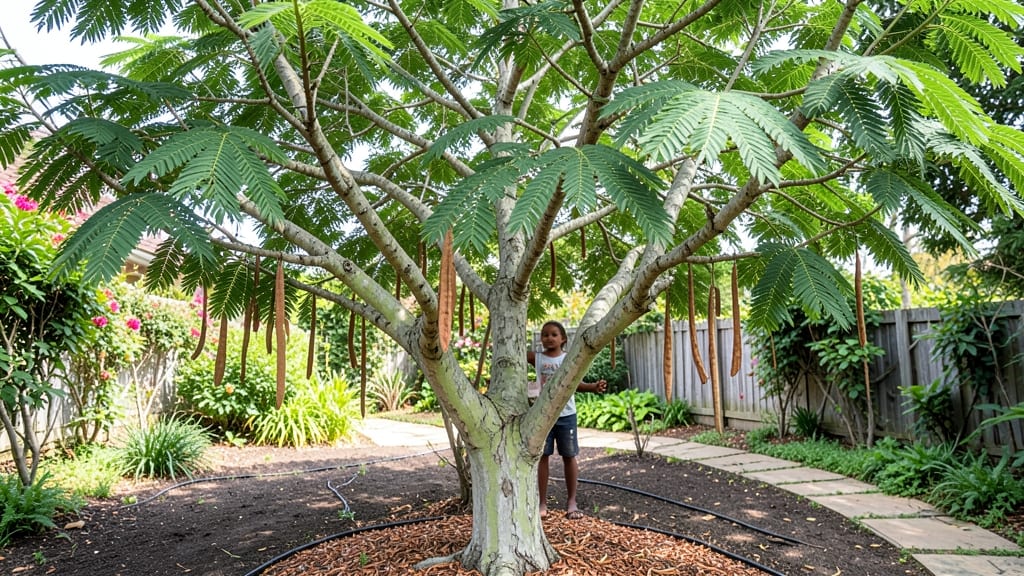
A mustard tree can grow between 15 and 30 feet tall 🌳, depending on the variety and growing conditions—making it a striking focal point for any garden.
If you're dreaming of a fragrant, shade-providing mustard tree in your garden, knowing its mature height is essential—because some varieties stretch like skyscrapers while others stay compact. But how tall can your mustard tree really grow?
The answer depends on factors like climate, soil quality, and sunlight exposure. In ideal conditions—like USDA Zone 6a—a mustard tree thrives, reaching its full height within 3 to 5 years. However, in cooler or less sunny areas, growth may slow, keeping it shorter.
Below, I’ll break down the height ranges by variety, how to maximize growth, and care tips to keep your mustard tree at your desired size—whether you want a towering giant or a more manageable shrub.


Mustard tree height by variety: from compact to towering giants
When planning your garden layout, understanding the mature height of your mustard tree is crucial. Some varieties grow like towering giants, while others remain compact shrubs.
The most popular mustard tree species—like Moringa oleifera and Brassica juncea—vary dramatically in size, making variety selection your first step in controlling height. Climate conditions and growing practices also play a significant role in how tall your tree will become.
If you're envisioning a shade-providing giant in your backyard, Moringa oleifera (the drumstick tree) is a top contender, often reaching 30 feet or more with proper care. On the other hand, Brassica juncea (mustard greens) typically stays much shorter, rarely exceeding 6 feet in height.
Choosing the right variety ensures your tree fits seamlessly into your garden design while meeting your functional needs.
Below, I’ve compiled a detailed comparison of the most common mustard tree varieties and their expected mature heights, along with the ideal growing conditions to maximize or control their size. This will help you make an informed decision before planting.
If you’re aiming for a tall, shade-providing mustard tree, Moringa oleifera is your best bet, especially in warm climates. This variety can reach 30 feet in ideal conditions, making it perfect for large gardens or as a focal point.
However, its rapid growth means you’ll need to plan for pruning to manage its size if space is limited. Moringa stenopetala is another excellent choice for taller trees, though it prefers tropical climates and may struggle in colder regions.
For smaller gardens or container growing, Brassica juncea and Brassica carinata are ideal. These varieties typically stay under 6 feet, making them perfect for hedges, borders, or patio planting. Their slower growth rate also means less frequent pruning, which is great for low-maintenance gardens.
If you’re in a dry, arid climate, Moringa peregrina is a hardy option that thrives with minimal water and still reaches 6–12 feet at maturity.
One key factor influencing height is soil quality. Mustard trees thrive in well-draining, slightly alkaline soil with a pH between 6.0–8.0. Poor soil can stunt growth, while rich, organic soil can accelerate it.
Amending your soil with compost or aged manure before planting will give your tree the nutrients it needs to reach its full potential height.
Sunlight is another critical factor. Most mustard trees require full sun exposure (6+ hours daily) to grow tall and strong. In shadier
Climate Zones that affect mustard tree growth height
The mustard tree (Moringa oleifera) thrives in warm climates, but its growth height varies dramatically depending on your USDA hardiness zone.
In tropical regions like Zones 10-12, these trees can reach their full 20-30 ft potential, while in cooler Zones 6-9, they may max out at 10-15 ft due to slower growth cycles.
Temperature extremes, humidity levels, and sunlight availability all play critical roles in determining how tall your mustard tree will grow.
In tropical climates, mustard trees grow aggressively year-round, benefiting from consistent warmth and high humidity. The Moringa oleifera variety, for example, can add 3-5 ft annually in ideal conditions.
Meanwhile, in temperate zones, growth slows significantly during winter months, capping mature heights at 15 ft unless you take extra care to protect it from frost.
Mustard Tree Height by Climate
- Tropical Zones (10-12): 20-30 ft (fast growth, year-round)
- Temperate Zones (6-9): 10-15 ft (slower growth, winter dormancy)
- Subtropical Zones (9-10): 15-25 ft (moderate growth, mild winters)
🌡️ Temperature is the #1 factor—mustard trees need 65°F+ to thrive. Below 50°F, growth stalls entirely.
Sunlight is another critical factor. Mustard trees require full sun exposure (6+ hours daily) to reach their maximum height. In shady conditions, growth becomes stunted, and trees may only reach 8-12 ft even in tropical climates.
If you're in a cooler zone, supplement with grow lights during winter to extend the growing season and encourage taller growth.
Humidity also influences height. In dry climates, mustard trees may grow more slowly and develop smaller leaves, limiting their potential height. To maximize growth in arid regions, mulch heavily and water deeply to maintain soil moisture.
In high-humidity zones, trees grow faster but may require pruning to manage their size and prevent disease from excessive moisture.
For gardeners in USDA Zones 6-9, the key to taller mustard trees lies in seasonal adjustments. Plant in spring after the last frost, use heat-loving companion plants like hibiscus, and protect from cold snaps with frost cloth.
In containers, growth may be slightly stunted, but with proper care, you can still achieve 12-18 ft heights.
If you're in a tropical zone, focus on soil fertility and regular pruning to direct energy upward. Mustard trees in these climates can grow 3-5 ft per year, so prune annually to shape the tree and prevent overcrowding.
For container-grown trees, choose larger pots and ensure drainage holes to avoid root rot, which can limit height potential.