
How To
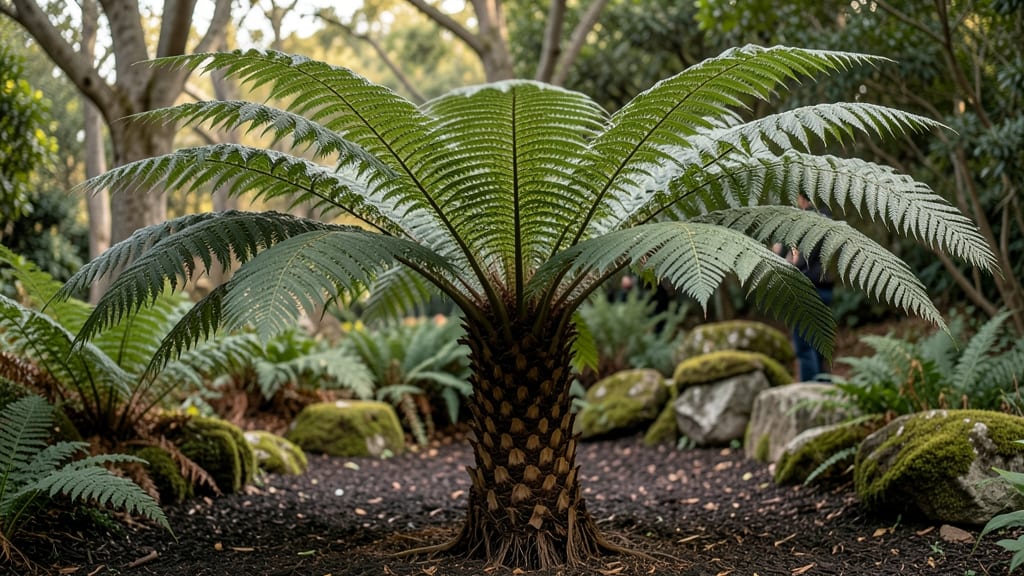
Tree ferns grow anywhere from 6 to 25 feet tall, depending on the variety and growing conditions—making them the perfect statement plant for adding tropical drama without taking over your yard.
If you're dreaming of lush, tropical greenery but worried about towering plants, tree ferns offer the ideal middle ground. Some varieties stay compact at 3–6 feet, while others reach giant heights of 15–20 feet—all while thriving in shade and humidity.
The key to controlling their size? Choosing the right species and giving them the care they crave.
Whether you're working with a small shade garden or a sprawling backyard, understanding how tall your tree fern will grow helps you plan placement—think borders, containers, or even as a focal point under tall trees.
Some species grow faster than others, so knowing their mature size upfront saves you from surprises down the line.
In this guide, I’ll break down the height ranges by popular varieties, how climate and sunlight affect growth, and tips to keep your tree fern at your desired height—whether that’s a 6-foot accent plant or a 20-foot tropical giant. Let’s get growing!


Tree fern height ranges by variety: from compact to towering giants
Tree ferns are nature’s architectural marvels, offering dramatic heights while maintaining an elegant, tropical aesthetic. Whether you’re designing a small shade garden or a sprawling woodland retreat, choosing the right variety ensures your tree fern thrives without overwhelming your space.
Some varieties stay compact at 3–6 feet, perfect for containers or borders, while others reach towering heights of 15–25 feet, dominating landscapes like living sculptures. The key lies in understanding each species’ growth habits and environmental needs.
Not all tree ferns grow at the same pace or reach the same mature height. For example, the slow-growing Dicksonia antarctica (soft tree fern) can take 10–15 years to reach its full 15–20 foot height, while the faster-growing Cyathea medullaris (silver fern) may hit 10 feet in just 5–7 years.
Container growth also plays a role—some varieties, like Cyathea dealbata, thrive in pots for years without outgrowing their space, while others, like Dicksonia fibrosa, demand open ground to achieve their full potential.
Here’s a quick guide to help you visualize how different tree fern varieties compare in height and growth habits:
The smallest tree ferns, like Cyathea dealbata ‘Silver Fern’, are ideal for gardeners with limited space. These varieties top out at 4–6 feet, making them perfect for potted displays or as focal points in shaded borders.
Their compact fronds and silver-tinged foliage add texture without dominating your garden. If you’re working with containers, prioritize varieties labeled as container-friendly—these are bred or adapted to tolerate root-bound conditions for longer periods.
On the opposite end of the spectrum, towering giants like Dicksonia antarctica and Dicksonia fibrosa are statement plants that demand respect—and space. These ferns can reach 15–25 feet, making them unsuitable for small yards or containers.
Instead, plant them in woodland gardens, near ponds, or along property lines where their height can be appreciated without obstruction. Their slow growth rates (often 1–2 feet per year) mean they’ll be a long-term investment, but their dramatic presence is unmatched.
One common misconception is that all tree ferns grow equally slowly. In reality, some species, like Cyathea medullaris, can shoot up 3–5 feet in a single year under ideal conditions. This rapid growth makes them great for quick privacy screens or filling large gaps in your garden.
However, their temporary container suitability means you’ll need to transplant them to the ground within 2–3 years to prevent root stress. Always check the growth rate before committing to a variety—it’s the difference between a 5-year wait and a 5-year transformation.
When planning your tree fern’s future height, consider light exposure and soil moisture. Most tree ferns prefer partial shade, especially in hot climates, where direct sun can scorch their delicate fronds.
In cooler, wetter climates, they may tolerate more sunlight and grow even taller. Well-draining, humus-rich soil is non-negotiable—these plants hate soggy roots but love consistent moisture. If your soil is heavy clay, amend it with compost or peat moss to improve drainage while retaining humidity.
For gardeners with small spaces, opt for dwarf or semi-dwarf varieties like Cyathea australis or Cyathea smithii. These stay under 10 feet and can be pruned annually to maintain a tidy shape. Use them to layer your garden by pairing them with low-growing ferns, hostas, or ground
How climate and care affect tree fern height growth
Tree ferns are stunning tropical plants, but their height can vary dramatically based on where you live and how you care for them.
In my humid subtropical climate, I’ve seen Cyathea medullaris reach 15 feet in just 10 years, while the same species in drier regions might only grow to 8 feet. The difference? Climate and care make all the difference.
Your tree fern’s height is influenced by four key factors: humidity levels, sunlight exposure, soil drainage, and seasonal temperature swings. Each of these can either accelerate growth or stunt it entirely. For example, low humidity slows growth, while poor drainage can cause root rot, halting height increases altogether.
Factors Affecting Tree Fern Height
✅ Pros of Ideal Conditions
- 🌿 High humidity → 30% faster growth
- ☀️ Partial shade → Prevents leaf scorch
- 💧 Well-draining soil → Stronger root development
- 🌡️ Mild winters → Year-round growth
❌ Cons of Poor Conditions
- 🌵 Low humidity → Stunted growth, brown fronds
- ☀️ Full sun → Leaf burn, slowed height gain
- 🚫 Compacted soil → Root suffocation, weak stems
- ❄️ Frost exposure → Dormancy, delayed spring growth
If you’re growing tree ferns in containers, their height will naturally be limited compared to in-ground plants. A 15-gallon pot might keep a Cyathea species at 6–8 feet, while the same plant in the ground could reach 12 feet.
The trick is choosing the right pot size—too small, and roots compete for space, slowing vertical growth.
For gardeners in cooler climates, growth rates slow dramatically in winter. I’ve noticed Dicksonia antarctica in my Zone 7 garden adds only 6 inches of height during winter months, while spring and summer see 12–18 inches of new growth.
To compensate, I fertilize heavily in early spring to jumpstart growth after dormancy.
Pruning is another tool to control height. Removing old fronds at the base encourages new growth from the center, creating a fuller, bushier plant. Just avoid cutting into the trunk—this can harm the plant’s structural integrity. Instead, focus on dead or yellowing fronds to redirect energy upward.
Staking is essential for tall varieties like Dicksonia fibrosa, which can top 20 feet. Without support, wind and heavy fronds can cause the trunk to lean or snap. I use bamboo stakes tied gently with soft plant ties to keep my 10-foot specimens upright without restricting growth.