
Leaf Blower
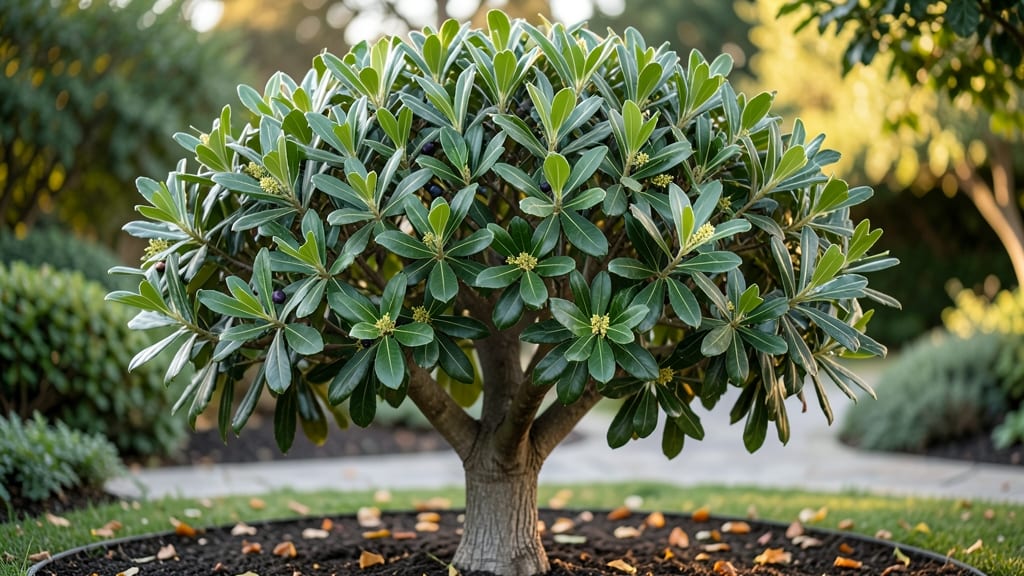
A bay leaf tree grows to 20 to 40 feet tall at maturity, towering like a small tree 🌿—though with the right care, you can shape it into a compact shrub or even a kitchen-friendly houseplant.
If you’re dreaming of adding a fragrant bay leaf tree to your garden or kitchen but wondering how much space it’ll need, you’re not alone—many gardeners overlook just how tall these versatile plants can grow depending on the variety.
Native to the Mediterranean, the classic Sweet Bay Laurel (Laurus nobilis) thrives in USDA Zone 6a and beyond, where it stretches skyward without much coaxing.
But don’t let its height scare you off: pruning, container growing, and dwarf varieties let you control its size while keeping those aromatic leaves within reach.
Below, I’ll break down the height ranges by variety, when to prune for a manageable size, and how to grow one—whether you want a towering shade tree or a 3-foot potted plant for your herb garden.


Mature height of bay leaf tree varieties: a complete size guide
If you’re planning to grow a bay leaf tree, knowing its mature height is crucial for proper placement in your garden or container. These evergreen trees vary widely in size depending on the variety, with some reaching towering heights while others stay compact.
The Sweet Bay Laurel (Laurus nobilis), the most common culinary variety, typically grows between 20 to 40 feet tall in ideal conditions, but its growth rate and final size can be influenced by pruning and climate.
For gardeners with limited space, understanding these height differences helps you choose the right variety for your needs.
Some bay leaf trees, like the California Bay (Umbellularia californica), can grow even taller—up to 50 feet—while others, like Texas Bay (Lindera texana), remain smaller at 10 to 15 feet.
Let’s break down the mature heights and growth habits of these popular varieties to help you plan your garden layout.
The Sweet Bay Laurel, the classic choice for kitchens, thrives in USDA zones 7–10 and can reach its full height of 20 to 40 feet in just 10–15 years if left unpruned.
Its broad, glossy leaves make it a favorite for culinary use, but its size means it’s best suited for large gardens or as a specimen tree in spacious yards. Regular pruning can keep it smaller, but even with pruning, it may still grow 15 to 25 feet tall over time.
On the other hand, the California Bay is a native of the West Coast and can dwarf even the Sweet Bay, often exceeding 50 feet in height.
This variety is less common in home gardens due to its size but is prized for its fragrant foliage and tolerance for coastal climates. If you live in California or nearby regions, this tree can add dramatic height to your landscape but requires ample space to avoid overcrowding nearby plants.
For smaller spaces, the Texas Bay is an excellent alternative. Unlike its taller cousins, this variety grows as a multi-stemmed shrub rather than a single-trunk tree, reaching only 10 to 15 feet at maturity.
It’s perfect for patios, foundation plantings, or even large containers. Its smaller size also makes it easier to harvest leaves for culinary use without needing a ladder!
If you’re growing bay leaves for culinary purposes, the dwarf varieties like Laurus nobilis 'Angustifolia' are ideal. These stay between 8 to 12 feet tall and are often grown in containers, making them accessible for urban gardeners or those with limited outdoor space.
Their compact size doesn’t compromise leaf quality, so you can enjoy fresh bay leaves year-round without sacrificing garden real estate.
When planning where to plant your bay leaf tree, consider its mature height and how it will interact with your home or other plants. A 40-foot tree near a house or driveway could become a hazard during storms, while a 10-foot shrub might get lost in a large garden.
Always leave at least 3 feet of clearance around the base for airflow and root growth, and prune regularly to maintain the desired shape and size.
In colder climates, bay leaf trees may grow more slowly or stay shorter, especially if they’re not hardy to your zone. For example, in USDA zone 6, a Sweet Bay Laurel might max out at 15 to 20 feet unless given extra care like winter mulching or container protection.
Always check your local climate conditions and adjust your expectations accordingly.
Whether you’re growing a bay leaf tree for its aromatic leaves, ornamental value, or both, understanding its mature height ensures you’ll be happy with its growth for years to come.
With the right variety and care, you can enjoy a fragrant, productive tree that fits perfectly in your garden—no matter how big or small your space is.
How to control bay leaf tree height: pruning and growing tips
If your bay leaf tree is reaching for the sky faster than you anticipated, don’t worry—controlling its height is easier than you think!
With the right pruning techniques and growing strategies, you can keep this fragrant evergreen at your desired size, whether you want a compact shrub or a manageable small tree. The key lies in understanding when and how to prune, along with seasonal care adjustments.
Bay leaf trees (Laurus nobilis) are naturally fast growers, reaching 20-40 feet tall if left unchecked. But with regular pruning and proper training, you can limit growth to just 6-8 feet—ideal for patios or kitchen gardens.
The best time to prune is late winter or early spring, just before new growth begins. This ensures your tree stays healthy while maintaining its shape.
Step-by-Step Guide to Managing Bay Leaf Tree Height
- 1 Prune in late winter (February-March) to shape your tree before spring growth. Remove 1/3 of last year’s growth to encourage bushier growth.
- 2 Use sharp pruners to make clean cuts at a 45-degree angle, just above a leaf node. Avoid cutting into old wood, as it won’t regrow.
- 3 Train young trees by staking and tying branches to your desired shape. This works best for container-grown bay trees or small garden varieties.
- 4 Fertilize lightly in spring with a balanced 10-10-10 fertilizer to promote controlled growth. Over-fertilizing can lead to rapid, unmanageable height spikes.
- 5 Water deeply but infrequently to encourage root development. Bay trees are drought-tolerant once established, but young plants need consistent moisture to stay compact.
- 6 Harvest leaves sparingly to maintain energy for growth. Avoid removing more than 1/3 of the foliage in a single pruning session.
For container gardening, choose dwarf varieties like Laurus nobilis ‘Angustifolia’ or regularly prune standard types to keep them under 6 feet tall. Use well-draining pots and repot every 2-3 years to prevent root-bound stress, which can stunt growth.
Place containers in full sun to encourage slower, stockier growth rather than tall, leggy stems.
If your bay leaf tree is already too tall, don’t panic—shearing can help reshape it, but it’s best to avoid this method for long-term care. Instead, focus on selective pruning to remove only the longest branches.
Pair this with regular harvesting of leaves for cooking to encourage bushier growth. With patience, your bay tree will stay at a manageable height while still providing fragrant, culinary leaves.
Remember, consistency is key! Prune at the same time each year, and your bay leaf tree will reward you with controlled growth and lush foliage. Whether you’re growing it for kitchen herbs or ornamental value, these tips will keep it thriving at your desired size. Happy pruning! ✂️🌿