
How To
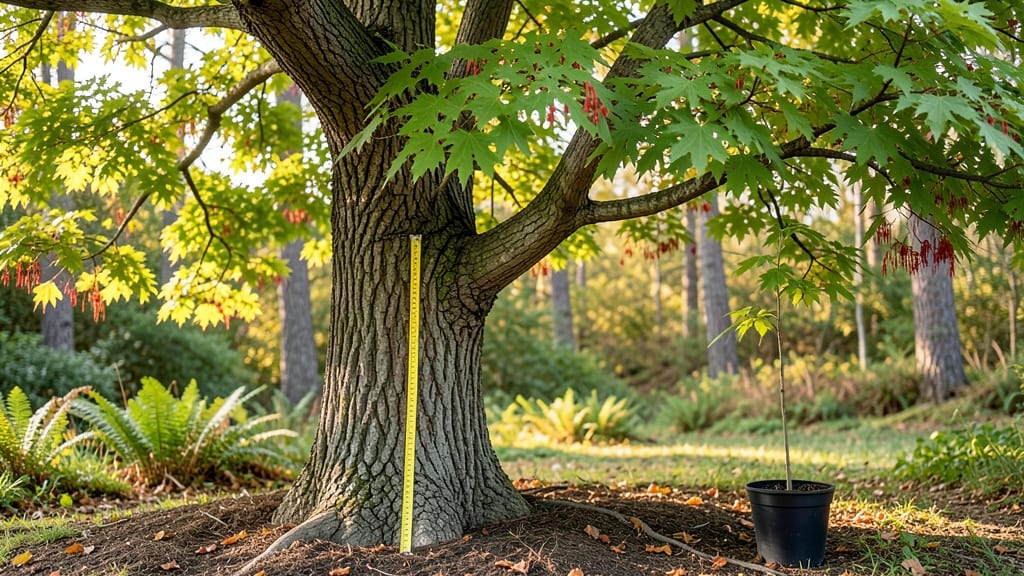
A red maple tree can grow 40 to 60 feet tall at maturity, turning your backyard into a towering shade haven 🌳 — but its height depends on sunlight, soil, and where you live.
If you’re considering planting a red maple tree, you’re not just adding beauty to your landscape—you’re investing in a long-term shade provider that can tower over your home or garden. But how tall does a red maple tree really grow, and how does sunlight influence its staggering height?
In the right conditions, these trees can reach heights comparable to a three-story building, but poor sunlight or cramped spaces can stunt their growth. Understanding their needs is the key to maximizing their potential.
Below, I’ll break down how sunlight affects height, the best planting spots for full growth, and whether a red maple is right for your space—whether you have acres or just a small urban yard.


Red maple tree height: average growth range and mature size
When you plant a red maple tree (Acer rubrum), you’re committing to a stately presence in your landscape. These trees are known for their vibrant foliage and impressive stature, but their final height can vary dramatically based on growing conditions.
On average, a mature red maple reaches 40 to 60 feet tall, though some specimens in ideal conditions can surpass 70 feet. Understanding these variations helps you plan for long-term growth and spacing.
The height of a red maple isn’t set in stone—it’s influenced by climate, soil quality, and sunlight exposure.
In the Southern U.S. (Zones 7-9), red maples often grow taller and faster due to longer growing seasons, while in Northern regions (Zones 4-6), growth may be slower, with mature heights clustering around 30 to 45 feet.
Even within the same region, individual trees can differ by 10 to 15 feet depending on care.
| Age | Height Range (Feet) | Growth Rate (Feet/Year) | Climate Influence |
|---|---|---|---|
| Year 1 | 3–5 ft | 3–5 ft | Fastest in warm climates |
| Year 5 | 15–25 ft | 2–4 ft/year | Slower in cooler zones |
| Year 10 | 30–40 ft | 1–2 ft/year | Peak growth in full sun |
| Mature (20+ years) | 40–60+ ft | 0.5–1 ft/year | Taller in Southern U.S. |
In the first 5 years, red maples grow the fastest, often adding 3 to 5 feet annually in ideal conditions. By year 10, growth slows to 1 to 2 feet per year, and mature trees may only gain 0.5 to 1 foot annually.
This gradual slowdown is natural, but poor soil or shade can further reduce growth rates. For example, a red maple in full sun with rich, moist soil might reach 50 feet in 20 years, while one in partial shade or compacted soil could max out at 35 feet.
If you’re planting near power lines or buildings, consider spacer roots or root pruning to control height. These techniques don’t stunt the tree but redirect energy to lateral growth. For urban settings, dwarf varieties like 'Autumn Flame' (reaching 20–25 feet) are better suited than standard red maples.
Always check local regulations—some areas restrict planting near structures due to mature size.
Another critical factor is water availability. Red maples thrive in well-draining, slightly acidic soil (pH 4.5–6.0), but drought stress can limit height. In arid climates, mature trees may only reach 30 feet without supplemental irrigation.
Mulching with organic matter helps retain moisture and nutrients, promoting healthier, taller growth over time.
For landscape planning, account for the canopy spread, which can match or exceed the tree’s height. A 60-foot-tall red maple might have a 40-foot spread, so ensure adequate spacing from fences, sidewalks, and other plants.
In small yards, opt for columnar or weeping cultivars, though these are rare for red maples—most varieties prioritize height over form.
One common misconception is that pruning young red maples will limit their height. While pruning can shape the tree, it won’t significantly reduce mature size unless you top the tree aggressively, which stresses the plant.
Instead, focus on removing dead or crossing branches to encourage strong vertical growth. Always prune in late winter or early spring before new growth begins.
To maximize height, plant your red maple in full sun (6+ hours daily) and avoid crowded spaces. In shady conditions, growth can be 30–50% slower, and the tree may develop a narrower, less robust form.
If you’re in a cooler climate, choose a site protected from harsh winds, which can stunt early growth. With the right conditions, your red maple could become a century-old giant—a legacy for your landscape.
🌳
Sunlight requirements that double a red maple’s height
A red maple tree (Acer rubrum) thrives in full sun, and the difference between 6+ hours of sunlight and partial shade can be dramatic. In ideal conditions, a red maple can grow 30-50% taller than when planted in dappled light.
This means the difference between a 40-foot tree and a 60-foot towering giant—all thanks to sunlight exposure.
Sunlight isn’t just about height—it also impacts the tree’s canopy spread and vibrant foliage. Without enough light, red maples develop thin, weak branches and pale leaves, making them more susceptible to pests and disease.
If you’re aiming for a fast-growing, healthy specimen, prioritize a south-facing location with minimal obstructions.
Seasonal adjustments matter too. In spring and summer, red maples need unfiltered sunlight to fuel rapid growth. However, in hot climates, afternoon shade can prevent leaf scorch. If you notice yellowing leaves or stunted growth by mid-summer, consider providing afternoon shade temporarily while maintaining morning sun exposure.
Watch for warning signs of insufficient light: long, leggy branches, small leaves, or fewer flowers. These are clear indicators your tree isn’t getting enough sunlight.
If you’re planting near other trees or buildings, choose a location where the red maple will receive at least 6 hours of direct sunlight daily, even if it means removing competing vegetation.
For maximum height, combine full sun exposure with well-draining soil and regular watering. A red maple in ideal conditions can add 1-2 feet per year in height, making it one of the fastest-growing native trees.
With the right sunlight, your red maple could reach its full 60-foot potential in just 20-25 years—double the time it takes in partial shade.
Pro tip: If your yard has partial shade, consider planting a red maple near the southern edge of your property. This maximizes sunlight while still providing shade for your home or patio. Just remember—patience and sunlight are the keys to unlocking your red maple’s full height potential! 🌳☀️