
Pruning
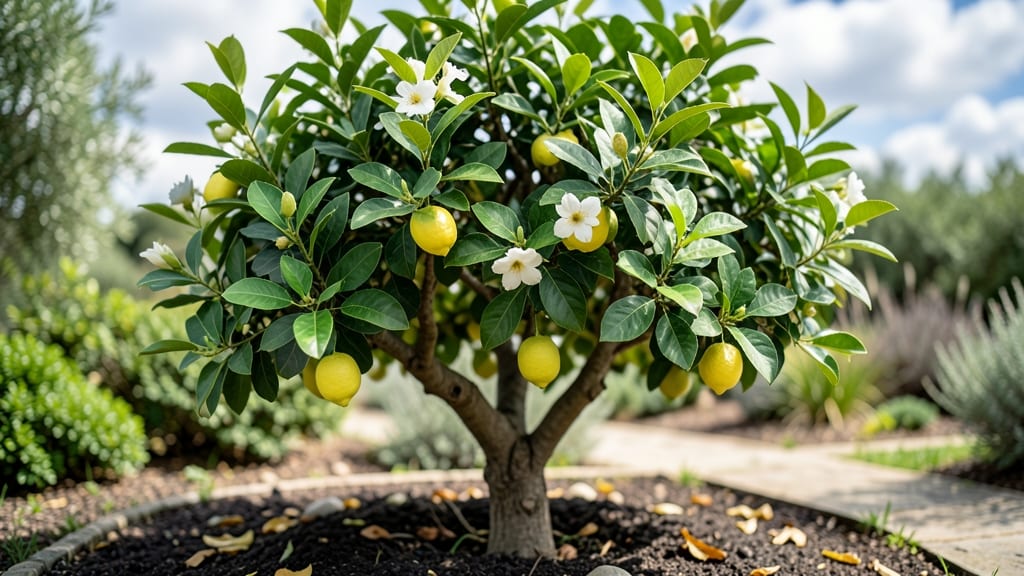
A lemon tree not fruiting covered in flowers but no fruit? That’s my exact problem—until I fixed the hidden triggers holding back production. 🌱 The key isn’t just more sunlight or water; it’s understanding the delicate balance between growth and fruiting.
Most gardeners overlook one critical factor that keeps trees blooming but never bearing. The real culprit is often a mismatch between new growth and old wood.
Lemon trees fruit on mature branches, not fresh shoots, so aggressive pruning or over-fertilizing with nitrogen sends the tree into growth mode instead of fruiting mode. I learned this after years of pruning too late in the season—my tree would burst with blooms but never set fruit.
The fix? A two-step pruning schedule timed with the growing season. Once you adjust care, you’ll see fruit within 3-6 months—small at first, but growing larger each season. The first harvest is always the sweetest reward after troubleshooting.
Let’s get your tree producing those tangy lemons you’ve been waiting for.
Start by checking your tree’s light exposure—6+ hours of direct sun is non-negotiable for fruiting. If your tree is indoors, supplement with a grow light 12-14 hours daily. Next, audit your watering: too much or too little stresses the tree, and stressed trees skip fruiting.
Aim for deep watering 2-3 times weekly in summer, letting the top inch of soil dry between sessions. The biggest game-changer? Fertilizer timing. Switch to a low-nitrogen, high-phosphorus formula (like 5-10-10) when buds form, and avoid heavy feeding after mid-summer.
I also add citrus-specific micronutrients to prevent blossom-end rot, which can kill developing fruit before it starts.
Pests and diseases sneak in when trees are stressed, and they’ll steal your fruit before it ripens. Spider mites and aphids love lemon trees—check the undersides of leaves weekly. A neem oil spray every 2 weeks during bloom keeps them at bay without harming bees.
For established trees, a late-winter pruning session opens airflow, reducing fungal risks like root rot.
Young trees (under 3 years) may never fruit—patience is key. Dwarf varieties like ‘Meyer’ can bear in 2 years, while standard trees take 4-5 years. Track your tree’s age and variety; some, like ‘Eureka’, are slow to mature but reward with heavy crops later.
The first harvest might be modest, but each year after, your tree will surprise you with bigger, sweeter fruit.
Root Causes Behind Fruitless Blooms
If your lemon tree is putting on a stunning floral display but leaving you with no fruit, don’t panic—there’s usually a logical explanation behind the lack of lemons. Understanding these causes is the first step toward fixing the issue.
Below, we break down the most common reasons why your lemon tree might be blooming but not fruiting, along with the science behind each one.
Lemon trees rely on pollinators like bees, butterflies, and even wind to transfer pollen from male to female flowers. Without proper pollination, flowers may drop off before developing into fruit. This is especially common in indoor or greenhouse-grown trees, where natural pollinators are limited.
Why it happens:
- Lemon trees (Citrus × limon) are self-pollinating, meaning they can fertilize their own flowers, but they often need a little help from external agents.
- Low humidity or lack of airflow can prevent pollen from reaching the stigma (the female part of the flower).
- Overuse of pesticides (even organic ones) can kill beneficial pollinators, reducing fertilization rates.
Actionable fix: ✅ Hand-pollinate flowers using a small brush or cotton swab to transfer pollen from one bloom to another. ✅ Attract pollinators by planting companion flowers like Lantana or Basil near your lemon tree. ✅ Avoid spraying flowers with chemicals during blooming season.
A young lemon tree (under 3–5 years old) may focus its energy on growing leaves and branches rather than producing fruit. Similarly, aggressive pruning—especially during active growth phases—can stress the tree and delay fruiting.
Why it happens:
- Lemon trees typically take 3–5 years to mature enough for consistent fruiting.
- Heavy pruning in spring or summer (when the tree is already flowering) can remove potential fruit-bearing wood.
- Root disturbance (e.g., transplanting or over-watering) diverts energy away from fruit production.
Actionable fix: ✅ Be patient—if your tree is young, focus on balanced fertilization (high in nitrogen for foliage, then shift to phosphorus/potassium for blooms). ✅ Prune lightly in late winter (before new growth starts) to avoid removing flower buds. ✅ If transplanting, do so in early spring and keep the tree well-watered to reduce stress.
Too much or too little water, along with poor soil nutrition, can stunt fruit development. Lemon trees are sensitive to moisture stress and nutrient deficiencies, which often lead to flower drop before fruiting.
Why it happens:
- Overwatering can lead to root rot, starving the tree of nutrients needed for fruit set.
- Underwatering causes stress-induced flower abortion, where the tree sheds blooms to conserve energy.
- Nitrogen-heavy fertilizers promote leafy growth at the expense of fruiting (too much N = no fruit).
- Low phosphorus or potassium weakens flower development and fruit retention.
Actionable fix: 💡 Water deeply but infrequently—aim for 1–1.5 inches per week, letting the top 2–3 inches of soil dry out between waterings. 💡 Use a balanced citrus fertilizer (e.g., 6-6-6 or 8-3-9 NPK ratio) in early spring and summer to encourage blooming. 💡 Add compost or organic matter to improve soil drainage and nutrient retention.
Lemon trees thrive in warm, sunny climates (USDA Zones 9–11). Extreme heat, cold snaps, or insufficient light can disrupt flowering and fruiting cycles.
Why it happens:
- Cold temperatures (<50°F/10°C) can damage flower buds, preventing them from opening or setting fruit.
- Hot, dry spells (above 95°F/35°C) cause flower drop due to water stress.
- Insufficient sunlight (less than 6–8 hours/day) weakens the tree, reducing its ability to produce fruit.
Actionable fix: ✨ Protect young trees from frost with frost cloth or move potted trees indoors during cold snaps. ✨ Provide afternoon shade in scorching climates to prevent heat stress (use shade cloth if needed). ✨ Ensure full sun exposure—if growing indoors, use a grow light for 12–14 hours/day.
Fungal diseases (like Alternaria or Citrus Canker) and pests (e.g., aphids, spider mites) can weaken your lemon tree, causing it to drop flowers or fail to set fruit.
Why it happens:
- Fungal infections (often from overwatering) clog stomata, reducing photosynthesis and energy for fruit.
- Sap-sucking pests (like aphids) inject toxins that cause flower distortion and drop.
- Root-knot nematodes damage roots, limiting nutrient uptake needed for fruiting.
Actionable fix: 🔥 Inspect leaves and flowers regularly for signs of pests (sticky residue, discolored spots). 🔥 Apply neem oil or insecticidal soap to control pests without harming pollinators. 🔥 Improve drainage to prevent fungal growth—raise beds or use pots with drainage holes.
Some lemon trees (especially grafted varieties) may have weak fruiting tendencies due to their rootstock or genetics. Additionally, hormonal imbalances (like ethylene buildup) can prevent fruit set.
Why it happens:
- Grafted trees sometimes prioritize rootstock traits over fruiting.
- Excess ethylene gas (from overripe fruit or poor ventilation) can cause flower abortion.
- Older trees may produce fewer blooms due to natural decline.
Actionable fix: ✅ Choose dwarf or self-fertile varieties (like ‘Meyer’ lemons) for easier fruiting. ✅ Thin out overripe fruit to reduce ethylene buildup in enclosed spaces. ✅ Consider replanting if the tree is consistently unproductive (though this is a last resort).
Revive Your Lemon Tree’s Fruit Potential
Now that you know why your lemon tree isn’t fruiting, let’s roll up our sleeves and get it back on track! 🌱 The good news? Most issues are fixable with a little patience and targeted care.
Below, we’ll match common causes to practical solutions, plus pro tips to keep your tree thriving long-term.
Problem: Lemon trees (Citrus × limon) are sun-worshippers—they need 6–8+ hours of direct sunlight daily to set fruit. Shady spots or indoor placements starve them of energy for blooming.
How to Fix It: 🔥 Move it outside (if potted) to a south- or west-facing spot with unfiltered sun. Avoid east-facing areas if you’re in a hot climate—midday sun can scorch leaves. 🍳 Rotate the pot weekly (if indoors) to ensure even light exposure on all sides. 👨🍳 Use grow lights (12–16 hours/day) if you’re growing indoors. LED full-spectrum bulbs mimic sunlight best. ⏰ Extend daylight in winter with a timer-controlled light if days are short (common in northern climates).
Prevention Tips:
- 💡 Test your spot: Place a ruler in the shade—if the shadow is shorter than 6 inches at noon, it’s not bright enough.
- 🌡️ Watch for leaf burn: If edges turn yellow/brown, move it to partial shade for a few days to acclimate.
Problem: Lemon trees thrive in warmth (60–90°F) and moderate humidity (40–60%). Extreme cold, heatwaves, or dry air stress them into dormancy or flower drop.
How to Fix It: 🔥 Cold snaps? Move potted trees indoors near a sunny window (but avoid drafts). Harden off gradually before returning outside. 🍳 Heat stress? Provide afternoon shade (use a sheer curtain) or mulch the soil to retain moisture. 👨🍳 Boost humidity: Mist leaves daily (early morning) or place the pot on a pebble tray with water. Group plants together to raise ambient moisture. ✨ Avoid sudden changes: If moving indoors/outdoors, do it over 1–2 weeks to adjust.
Prevention Tips:
- 🎯 Monitor temps: Use a thermometer near the tree to track extremes.
- 💡 Winter care: If in Zone 9+, protect from frost with a frost cloth or move containers to a garage (not freezing!).
Problem: Lemon trees need proper pruning to encourage airflow and flowering. Overgrowth, dead wood, or aggressive trimming can disrupt blooming cycles.
How to Fix It: 🔥 Prune at the right time: Trim after harvest (late winter/early spring) to remove:
- Dead/diseased branches (cut to the base).
- Crossing or rubbing branches (rubbing can create wounds).
- Overly dense growth (thin out to let light penetrate).
🍳 Encourage fruiting wood: Focus cuts on non-fruiting branches to redirect energy. Aim for an open vase shape (like a candelabra). 👨🍳 Fertilize post-prune: Use a balanced citrus fertilizer (6-6-6 or 10-10-10) to support regrowth.
Prevention Tips:
- 💡 Prune lightly: Never remove more than 25% of the canopy in one session.
- 🌱 Train young trees: Prune early to establish a strong central leader (main trunk).
Problem: Lemon trees need specific nutrients to bloom and fruit. Lack of nitrogen (leafy growth), phosphorus (roots/flowers), or micronutrients (like zinc or magnesium) can halt fruiting.
How to Fix It: 🔥 Test your soil: Use a citrus-specific soil test kit to check pH (ideal: 6.0–7.0) and nutrient levels. 🍳 Fertilize in stages:
- Spring (March–April): High-phosphorus fertilizer (e.g., 5-10-10) to stimulate blooms.
- Summer (June–July): Potassium-rich fertilizer (e.g., 0-10-10) for fruit development.
- Fall (September–October): Balanced fertilizer (e.g., 8-3-9) to prep for winter.
👨🍳 Microboost: Add Epsom salt (1 tbsp/gallon of water, monthly) for magnesium (prevents yellowing between veins). ⏰ Avoid over-fertilizing: Too much nitrogen = leafy growth, no fruit. Follow package rates!
Prevention Tips:
- 🎯 Use organic options: Fish emulsion or compost tea improve soil long-term.
- 💡 Mulch well: 2–3 inches of mulch (straw or wood chips) retains moisture and nutrients.
Problem: Lemon trees hate soggy roots (root rot!) but also stress in drought. Inconsistent watering leads to flower drop or poor fruit set.
How to Fix It: 🔥 Check soil moisture: Stick your finger 2 inches deep—if dry, water deeply. If wet, wait 1–2 more days. 🍳 Water deeply, less often: 1–2 times per week (more in summer, less in winter). Aim for 1–1.5 gallons per watering for mature trees. 👨🍳 Improve drainage: If soil stays soggy, amend with perlite or sand or repot into a well-draining mix (citrus potting soil + compost). ✨ Avoid wetting leaves: Water at the base to prevent fungal diseases (like citrus greening).
Prevention Tips:
- 🌡️ Adjust for seasons: Water less in winter (growth slows).
- 💡 Use drip irrigation: Keeps roots consistently moist without overwatering.
Problem: Aphids, scale, or fungal infections (like melanose) sap energy meant for fruiting. Even subtle damage can stop blooms.
How to Fix It: 🔥 Inspect leaves: Look for sticky residue (aphids), bumps (scale), or black spots (fungus). 🍳 Treat pests:
- Neem oil spray (1 tbsp/quart water, weekly for 2 weeks) for soft-bodied pests.
- Horticultural oil for scale insects (follow label for dormant vs. active sprays).
👨🍳 Fungal issues? Apply copper fungicide or baking soda spray (1 tsp baking soda + 1 quart water + drop of soap). ⏰ Prevent reinfestation: Remove fallen leaves and sterilize pruners with rubbing alcohol.
Prevention Tips:
- 🎯 Encourage beneficial insects: Ladybugs and lacewings eat aphids—buy them or plant marigolds nearby.
- 💡 Space trees properly: 6–10 feet apart improves airflow and reduces disease risk.
Final Pro Tip: 🌿 Patience is key! Lemon trees can take 2–3 years to fruit after major changes (like repotting or pruning). Track progress with a growth journal—note sunlight, water, and bloom dates to spot patterns.
With these fixes, your lemon tree should be bursting with blossoms (and eventually, juicy lemons!) in no time. 🍋✨
Frequently asked questions
Why does my lemon tree keep blooming but never produce fruit?
This is often due to pollination issues or nutrient imbalances. Lemon trees need proper cross-pollination (even if self-fertile) and enough phosphorus/potassium for fruit development. Check for bees or hand-pollinate flowers, and switch to a low-nitrogen fertilizer (like 5-10-10) during blooming season.
How long should I wait before expecting fruit from a lemon tree?
Dwarf varieties like 'Meyer' may fruit in 2-3 years, while standard lemon trees typically take 4-5 years to mature. Young trees prioritize root/leaf growth over fruiting. Focus on balanced care (sunlight, water, nutrients) during these years to encourage early production.
Can overwatering prevent my lemon tree from fruiting?
Overwatering causes root rot, which starves the tree of nutrients needed for fruit development. Always let the top 2-3 inches of soil dry between waterings, and ensure pots have drainage holes. Water deeply but infrequently—1-1.5 gallons per week for mature trees is ideal.
Will pruning my lemon tree help it produce more fruit?
Pruning at the wrong time can actually reduce fruiting! Only prune lightly in late winter (before new growth starts) to remove dead wood and improve airflow. Avoid heavy pruning during bloom season—this removes potential fruiting wood. Focus cuts on non-fruiting branches to redirect energy.
Could my lemon tree's age be the reason it's not fruiting?
Yes! Trees under 3 years old focus energy on growth, not fruit. Even mature trees may have off years due to stress or environmental factors. Track your tree's age—if it's young, be patient and provide optimal care. Older trees may need rejuvenation pruning to stimulate new growth and fruiting.