
Container Gardens
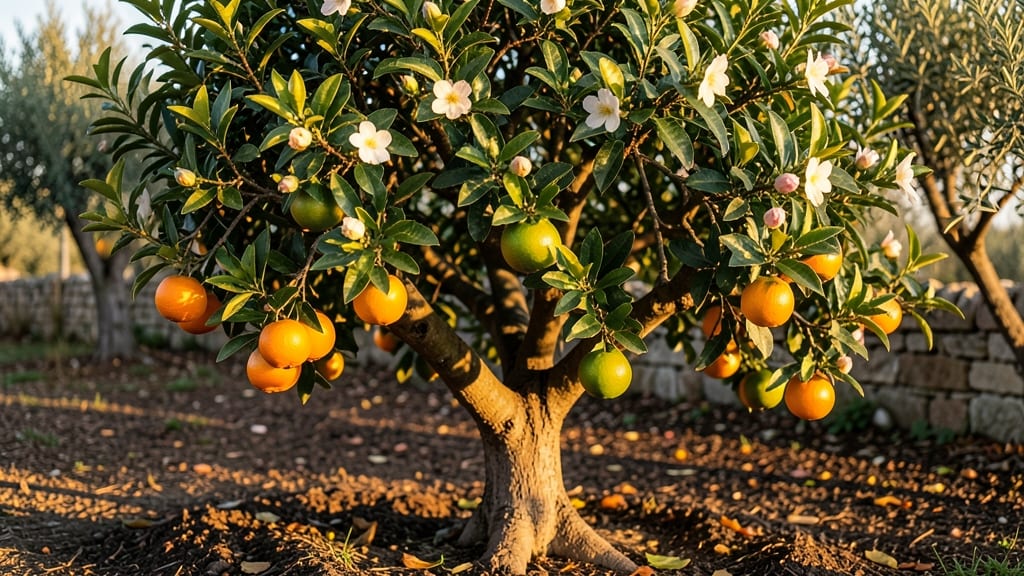
Your orange tree’s growing season hinges on climate zones—plant too early in cold areas, and frost will kill it; too late, and fruit won’t ripen. 🌱 I’ve grown citrus in zones 8-11, and the difference between a thriving tree and a struggling one comes down to timing, soil, and seasonal adjustments.
The right approach turns a high-maintenance plant into a reliable producer of sweet, juicy oranges.
Outdoor orange trees thrive in USDA zones 9-11, where winters stay above 25°F. In colder zones (7-8), grow them in large containers and move them indoors before frost. Soil must drain well—citrus hates soggy roots—and a slightly acidic pH (6.0-7.0) keeps nutrients flowing.
Young trees need 6-8 hours of sun daily, while mature ones tolerate partial shade in scorching summers.
By late spring, your tree will burst into bright green foliage, followed by blossoms that smell like spring itself. Prune in late winter to shape the tree and remove dead wood, then fertilize every 6-8 weeks during growing season with a citrus-specific blend.
The first harvest arrives 12-18 months after planting—imagine peeling your own oranges in December!
Indoor growers can extend the season with grow lights (14+ hours/day) and humidity trays, but outdoor trees yield bigger fruit. Watch for citrus greening disease (yellow leaves, stunted growth) and treat early.
With the right zone prep, your tree will reward you with years of harvests—no greenhouses or green thumbs required.
📚 In This Guide
- What you need
- Instructions
- Tips and common mistakes
- Wrapping up and next steps
What you need
- ● Orange Tree Sapling: Choose a dwarf variety (e.g., Citrus × aurantium or Citrus sinensis) for containers. Look for healthy, 1-3 gallon plants with vibrant green leaves.
- ● Container: A 15-25 gallon pot with drainage holes (minimum 12" diameter for dwarf varieties). Terracotta or fabric pots work well.
- ● Well-Draining Potting Mix: A blend of 50% citrus-specific soil, 30% perlite or pumice, and 20% compost. Avoid garden soil—it compacts and holds too much moisture.
- ● Fertilizer: Balanced citrus fertilizer (e.g., 6-6-6 or 8-3-6 NPK ratio) for the growing season.
- ● Slow-release granules (e.g., Osmocote) for steady nutrition.
- ● Watering Can or Hose with Showerhead: For gentle, deep watering (avoid overhead sprinklers to prevent fungal diseases).
- ● Mulch: 2-3 inches of organic mulch (e.g., straw or wood chips) to retain moisture and regulate soil temperature.
- ● Pruning Shears: Sharp, clean shears for shaping and maintaining the tree (sterilize with rubbing alcohol between cuts).
- ● pH Test Kit: Ideal soil pH for citrus is 6.0-7.0. Adjust with sulfur (to lower pH) or lime (to raise pH) if needed.
- ● Sunlight Meter or Light Meter App: Ensure your container gets 6-8 hours of direct sunlight daily during the growing season.
- ● Citrus Food or Epsom Salt: For a magnesium boost (mix 1 tbsp Epsom salt per gallon of water monthly).
- ● Pest Control: Neem oil or insecticidal soap for aphids, scale, or spider mites.
- ● Yellow sticky traps to monitor for flying pests.
- ● Container Stand or Casters: For mobility—move your tree to optimal sunlight or indoors during frost.
- ○ Drip Irrigation System (Optional): Automates watering for consistency, especially during hot growing seasons.
Instructions: planting and caring through the orange tree growing season
Here's how to navigate each climate zone's unique demands for a thriving citrus harvest.
🌱 Step 1: Select the Right Variety for Your Zone
Citrus trees thrive in USDA zones 8-11, but varieties differ in cold tolerance. For zones 8-9, choose 'Valencia' or 'Hamlin'—they handle brief dips to 20°F. In zones 10-11, 'Navel' or 'Blood Orange' varieties flourish year-round. If you're in zone 7 or colder, opt for dwarf varieties like 'Calamondin' and grow in containers for winter protection.
Check your last frost date—citrus needs 6-8 months of warm weather to produce fruit. Plant in early spring after soil warms to 65°F or higher. You'll know it's time when nearby perennials like rosemary start actively growing. Avoid fall planting; young trees won't establish roots before winter chill.
☀️ Step 2: Plant in Full Sun with Proper Drainage
Choose a south-facing spot with at least 8 hours of direct sun daily. Citrus trees despise soggy roots—amend heavy soil with 3-4 inches of compost or plant in a well-draining mix of 50% native soil, 30% sand, and 20% compost. Dig a hole twice as wide as the root ball but only as deep—planting too deep suffocates roots.
Water deeply once planted, then let soil dry slightly before watering again. You'll see new growth within 4-6 weeks if conditions are right. Mulch with 2-3 inches of wood chips (keep mulch 6 inches from trunk) to retain moisture and regulate soil temperature. Avoid organic mulches like grass clippings—they mat down and block oxygen.
💧 Step 3: Water Deeply and Fertilize Seasonally
During the growing season (spring-fall), water once weekly—2-3 gallons per tree—until soil is 6-8 inches deep and moist. In summer heat, increase to twice weekly but check for dryness to 4 inches deep before watering. Overwatering in winter causes root rot; reduce to monthly deep waterings when temperatures drop below 50°F.
Fertilize three times yearly: early spring (when buds form), mid-summer (when fruit sets), and early fall (for root strengthening). Use a balanced citrus fertilizer (6-6-6) at half-strength the first year, then full strength thereafter. You'll notice darker green leaves and more blossoms within 6-8 weeks of proper feeding.
✂️ Step 4: Prune for Airflow and Fruit Production
Prune late winter or early spring before new growth starts. Remove dead, crossing, or inward-growing branches first—these compete for energy. Thin out 20% of the canopy to improve airflow and reduce disease risk. Cut just above an outward-facing bud at a 45-degree angle to prevent water pooling.
Never prune more than 30% of the tree in one season—citrus trees are sensitive to stress. After pruning, apply dormant oil spray (if in your area) to smother overwintering pests. You'll see fewer but larger fruit and healthier branches after proper pruning. Avoid heavy pruning after June—new growth won't harden before winter in cooler zones.
⏰ Step 5: Protect and Harvest Through the Seasons
In zones 8-9, wrap the trunk and scaffold branches with burlap or frost cloth when temperatures drop below 30°F. For container trees, move to a garage or sheltered patio if frost is forecasted. In zones 10-11, watch for summer heat stress—provide afternoon shade if leaves start curling or yellowing.
Harvest when fruit is fully colored but still slightly firm. Navel oranges detach easily when ripe; Valencia varieties may need gentle twisting. Pick in morning hours when temperatures are coolest to preserve flavor. You'll get 4-6 harvests per tree in ideal conditions, with peak production in years 3-5 after planting.
Tips & tricks for thriving citrus cultivation
Avoid these common pitfalls—and watch your citrus harvest flourish with these climate-smart strategies.
Zone-Specific Timing: In cooler zones (8-9), don't rush planting! The 65°F soil temperature threshold is critical—wait until rosemary and other perennials show active growth. I've seen too many gardeners plant too early, only to have young trees struggle through unexpected late frosts. Use a soil thermometer to confirm readiness, especially if your spring has unpredictable temperature swings.
Watering Wisdom: That 2-3 gallons per tree weekly guideline is non-negotiable during growing season, but timing matters just as much. Water in the early morning to allow foliage to dry before evening—this prevents fungal issues like citrus scab. In summer heat, split your watering into two sessions: once in the morning and once in the late afternoon, ensuring the 6-8 inches of soil moisture penetrates fully.
Pruning Precision: When thinning 20% of the canopy in Step 4, focus on branches growing toward the center of the tree. These compete for sunlight and air circulation, creating ideal conditions for pests and disease. I learned this the hard way after pruning too aggressively—my tree produced fewer but larger fruit, but the branches took months to recover. Always cut at a 45-degree angle just above an outward-facing bud to encourage healthy growth patterns.
Winter Protection Hacks: For zones 8-9, that 30°F threshold for wrapping trees is your warning sign. I've found that adding a layer of bubble wrap around the trunk (under the frost cloth) provides extra insulation without trapping moisture. In containers, move trees to a garage with open windows—the temperature fluctuations actually help harden the tree for spring planting. Just avoid enclosed spaces where humidity builds up.
Pro Tips for Orange Tree Growing Season
- Avoid these common pitfalls—and watch your citrus harvest flourish with these climate-smart strategies.
- Zone-Specific Timing: In cooler zones (8-9), don't rush planting!
- Watering Wisdom: That 2-3 gallons per tree weekly guideline is non-negotiable during growing season, but timing matters just as much.
Frequently asked questions
Got questions about your orange tree’s growing season?
You’re not alone! Whether you’re a first-time grower or looking to refine your techniques, here are answers to the most common queries—plus a few pro tips to keep your citrus thriving.
When is the best time to plant an orange tree in my climate zone?
The ideal planting window depends on your USDA zone:
- Zones 9–11 (warm climates): Plant in late winter or early spring (Feb–Mar) to avoid summer heat stress. Avoid planting in fall—frost can damage young roots.
- Zones 8 and cooler: Wait until after the last frost (April–May) and use frost cloth for protection if nights dip below 30°F.
- Containers: Plant anytime in spring or early summer, but avoid extreme heat (above 90°F) for the first 2 weeks.
How long does it take for an orange tree to bear fruit?
Patience is key! Most dwarf varieties (like ‘Calamondin’ or ‘Meyer’) produce fruit in 3–5 years, while standard trees may take 5–10 years. Factors like sunlight, soil, and care accelerate fruiting—but avoid fertilizing heavily in the first year (it can stress young trees).
Why isn’t my orange tree flowering or fruiting?
Common culprits include:
- Insufficient sunlight: Oranges need 6–8+ hours of direct sun daily. Move pots to sunnier spots or prune nearby shade sources.
- Nutrient deficiencies: Yellow leaves? Test soil for nitrogen, phosphorus, or zinc. Use a citrus-specific fertilizer in early spring.
- Temperature stress: Blooms drop if temps drop below 50°F or rise above 95°F. Mulch roots in winter and provide afternoon shade in summer.
- Young age: Trees under 3 years old focus on growth, not fruit. Be patient!
Can orange trees survive winter in cold climates (Zones 7 and below)?
It’s tricky but possible! Here’s how:
- Choose cold-hardy varieties: ‘Trifoliata’ (hardy to 0°F) or ‘Satsuma’ (tolerates 10°F) are top picks.
- Protect the tree: Wrap the trunk in burlap, cover with frost cloth, and mound mulch (6–12 inches) around the base.
- Container hack: Move potted trees to a garage or shed (50–60°F) when temps drop below 35°F.
What can I plant alongside my orange tree to improve growth?
Orange trees thrive with these companion plants:
- Nitrogen-fixers: Beans, peas, or clover (add organic matter to soil).
- Pest repellents: Marigolds (deter aphids) or basil (keeps flies away).
- Avoid: Walnut trees (release juglone, a toxin) or competitive roots like corn.
Can I harvest oranges year-round, or is there a peak season?
Harvest timing varies by variety and climate:
- Spring varieties (e.g., ‘Satsuma’): Ripe Dec–Feb (tolerate light frost).
- Fall varieties (e.g., ‘Valencia’): Peak Oct–Dec (sweeter after frost).
- Year-round (tropical zones): Harvest every 2–3 weeks as they ripen.
Wrapping up and next steps
Growing an orange tree in containers is a rewarding journey—whether you’re in a warm USDA Zone 9 or a cooler Zone 7 with winter care! The key is understanding your local climate zone, choosing the right variety, and staying patient as your tree matures.
With the right prep, you’ll soon enjoy homegrown citrus that’s sweeter than anything store-bought.
Ready to take the next step? Start small—pick a dwarf variety, gather your supplies, and plant this season! Need help? Bookmark our planting checklist or join a local gardening group for tips from fellow citrus lovers. Your orange tree’s growing season begins now—let’s make it delicious! 🍊✨