
Trees
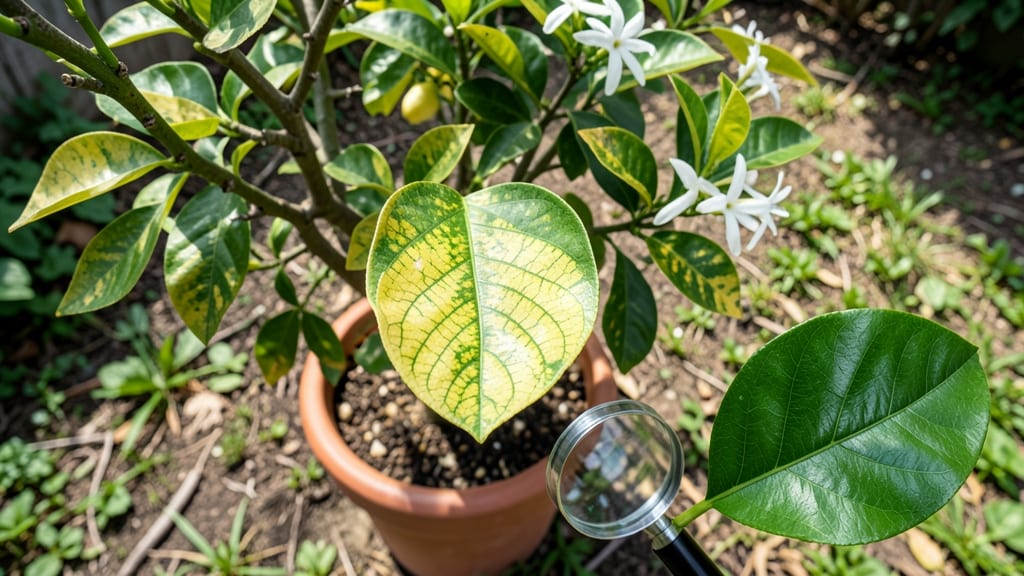
Your lemon tree's yellow leaves with green veins scream one thing: iron deficiency—and it's fixable. 🌿 I've nursed back more than a few lemon trees from this exact problem, and the solution comes down to three targeted steps that actually work.
The good news is this isn't usually a death sentence—it's a signal your tree needs iron, not a fungal infection or root rot. The bad news? Ignoring it lets the problem spread to branches and fruit, turning your potential harvest into sad, pale leaves.
Most gardeners overlook the soil test first, but that's where the real answers hide. You'll see new growth within 2-3 weeks of treatment, with leaves returning to their proper green shade. The key is matching the right iron supplement (chelated iron works best) with proper watering adjustments—no more guessing games.
I'll walk you through exactly what to do and when. For those stubborn cases where leaves keep yellowing after treatment, we'll talk about when to call in a professional. But first, let's get your tree back on track with these proven fixes.
Root Causes of Variegated Discoloration
When your lemon tree’s leaves develop a striking yellow-green pattern—where the veins stay green but the surrounding tissue turns pale—it’s rarely a coincidence. This distinct symptom is usually a clear signal from the tree that something essential is out of balance.
Below, we break down the most common culprits, backed by science, so you can diagnose the issue with confidence.
The most frequent trigger for yellow leaves with green veins is a nitrogen deficiency, but not in the way you might expect. Here’s why:
- Chlorophyll’s Role: Chlorophyll (the green pigment in leaves) relies on nitrogen to produce. When nitrogen levels drop, chlorophyll production slows, causing the leaf tissue to turn yellow—except where veins are concentrated.
Veins contain more iron and magnesium, which help sustain chlorophyll in localized areas, leaving them green. - Soil pH Matters: Lemon trees thrive in slightly acidic soil (pH 6.0–7.0).
If your soil is too alkaline (pH >7.5), the tree struggles to absorb nitrogen, even if it’s present in the soil. This creates a false deficiency because the plant can’t access the nutrient. - Over-Fertilizing Paradox: Ironically, excessive nitrogen fertilizer can also cause this issue.
Too much nitrogen burns roots, preventing them from absorbing other critical nutrients like iron and zinc, worsening the imbalance.
💡 Pro Tip: Test your soil’s pH and nutrient levels with a home kit or send a sample to a local extension office. If nitrogen is low, apply a slow-release organic fertilizer (like compost or fish emulsion). For alkaline soil, amend with elemental sulfur to lower pH gradually.
If your lemon tree’s leaves are bright yellow with crisp green veins, iron chlorosis is a top suspect. This condition occurs when the tree can’t uptake enough iron, even if the soil contains it. Here’s how it happens:
- Iron Unavailability: Iron is most available in acidic conditions.
In alkaline or calcareous soils, iron binds to soil particles and becomes locked away, making it inaccessible to roots. - Symptoms Spread: Chlorosis typically starts on younger leaves (new growth) because the tree prioritizes distributing existing iron to older leaves.
Over time, older leaves may also yellow if the deficiency worsens. - Root Restriction: Compacted or waterlogged soil smothers roots, reducing their ability to absorb iron. Even slight root damage (from overwatering or poor drainage) can trigger this issue.
🔥 Quick Fix: Apply chelated iron (a fertilizer designed to bind iron so plants can absorb it) directly to the soil or use iron sulfate as a foliar spray. For long-term solutions, mulch with pine needles or peat moss to lower soil pH naturally.
Yellowing leaves with green veins can also signal root stress from excessive moisture. Here’s the science behind it:
- Oxygen Deprivation: Roots need oxygen to function. Overwatering or heavy clay soil creates anaerobic conditions, suffocating roots and preventing them from absorbing nutrients—especially iron and manganese. - Fungal Infections: Waterlogged soil breeds root rot fungi (like Phytophthora), which block nutrient uptake.
The veins stay green because they’re less affected by fungal toxins than the surrounding tissue. - Salt Buildup: If you’re using tap water with high salts or fertilizers, excess minerals accumulate in the soil, burning root tips and reducing nutrient absorption.
🌡️ Action Steps:
- Check drainage: Stick a screwdriver into the soil—if it’s difficult after watering, your soil is too compacted.
- Adjust watering: Let the top 2–3 inches of soil dry out between waterings. Lemon trees hate soggy roots!
- Amend soil: Mix in perlite or coarse sand to improve aeration, or plant in a well-draining potting mix if in a container.
Extreme conditions can also cause this variegated yellowing, though it’s less common than nutrient issues:
- Sun Scorch: Lemon trees love full sun (6+ hours/day), but intense afternoon heat (especially in dry climates) can cause leaf burn.
The veins stay green because they’re thicker and retain moisture longer than the delicate leaf tissue. - Cold Damage: A sudden hard freeze (below 28°F) can kill leaf cells, leading to yellowing.
Veins may stay green if they’re slightly protected by the tree’s structure. - Wind Burn: Strong, dry winds desiccate leaves, causing edges to yellow first. Over time, this can create a mottled pattern with green veins.
✨ Prevention Tips:
- Acclimate young trees gradually to full sun (start with morning sun only).
- Mulch heavily to protect roots from temperature swings.
- Use shade cloth (30–50%) during extreme heat waves if your tree is newly planted.
While less common, pests and diseases can mimic nutrient deficiency symptoms:
- Spider Mites or Aphids: These sap-sucking pests damage leaf cells, disrupting chlorophyll production.
Veins may stay green because they’re less targeted by feeding. - Bacterial Leaf Spot: Some pathogens (like Xanthomonas) cause irregular yellowing with green veins as the disease progresses. - Root-Knot Nematodes: These microscopic worms damage roots, reducing nutrient uptake and leading to chlorosis-like symptoms.
🎯 How to Check:
- Inspect undersides of leaves for webbing (mites) or sticky residue (aphids).
- Look for dark spots or holes on leaves (fungal/bacterial issues).
- Dig near roots to check for galls (sign of nematodes).
🔪 Treatment: Use neem oil for pests, copper fungicide for bacterial spots, or beneficial nematodes (Steinernema) for root-knot worms.
Revive Your Lemon Tree Fast
Yellow leaves with green veins on your lemon tree are a clear SOS—your citrus friend needs help! The good news? Most fixes are simple, fast, and require minimal tools.
Below, we’ll tackle each cause with step-by-step solutions, including prevention tips to keep your tree thriving. Let’s get your lemon tree back to its vibrant self! 🌿✨
Iron deficiency is the #1 culprit behind yellow leaves with green veins. Lemon trees (especially in alkaline soils) struggle to absorb iron, even when it’s present.
Step 1: Test Your Soil 📊 Before treating, confirm the pH and nutrient levels.
- DIY test: Use a soil pH kit (available at garden centers) or send a sample to a local extension office.
- Ideal pH: Lemon trees thrive in slightly acidic soil (pH 6.0–7.0).
If your soil is above 7.0, iron becomes locked out.
Step 2: Apply Iron Supplements 💊
Quick fix: Sprinkle iron sulfate or chelated iron granules around the root zone.
Follow package instructions (usually 1–2 tbsp per gallon of water). - Foliar spray: Mix 1 tsp of iron chelate in 1 gallon of water and spray directly on leaves (early morning or evening to avoid leaf burn). - Organic option: Use liquid seaweed extract or compost tea (rich in micronutrients).
Step 3: Adjust Soil pH 🌡️ If your soil is alkaline:
Add sulfur: Mix 1–2 lbs of elemental sulfur per 100 sq ft into the top 6 inches of soil.
Water thoroughly. - Use acidic compost: Blend in peat moss or pine needles to lower pH gradually.
💡 Prevention Tips
✔ Mulch yearly with acid-loving compost (like pine bark or leaf mold). ✔ Water deeply 2–3 times per week (lemon trees hate dry or waterlogged roots). ✔ Avoid lime or wood ash—these raise pH and worsen iron deficiency.
Yellowing leaves with green veins can also signal root stress from soggy soil or compacted roots.
Step 1: Check the Roots 👨🍳
- Gently dig around the base (1–2 inches deep). Healthy roots should be white or light tan. If they’re black, mushy, or smell rotten, you’ve got root rot.
- Compacted soil? Roots will look crowded or gnarled.
Step 2: Improve Drainage ⏰
- Raise the tree: If in a pot, add perforations if missing, then repot with cactus/succulent mix (add perlite or pumice).
- In-ground fix: Amend soil with coarse sand or gravel to break up clay.
Create a raised bed if drainage is chronically poor. - Drainage test: Dig a hole, fill with water, and time how long it takes to drain. More than 6 hours? Your soil is too dense.
Step 3: Adjust Watering Habits 🥘
Water deeply but less often: Lemon trees prefer dry spells between waterings.
Stick your finger 2 inches into soil—if dry, water; if damp, wait. - Avoid wetting leaves: Use a soaker hose or drip irrigation to keep foliage dry (prevents fungal issues).
💡 Prevention Tips
✔ Use pots with drainage holes—no exceptions! ✔ Elevate containers on feet or saucers to prevent water pooling. ✔ Mulch with gravel (not organic mulch) to improve airflow at the base.
Pests like spider mites or scale insects can stress your tree, leading to nutrient uptake issues.
Step 1: Inspect Leaves & Stems 🔪
- Look for:
- Sticky residue (honeydew) on leaves = aphids or scale.
- Fine webbing = spider mites.
- Yellow spots with black dots = fungal leaf spot.
Step 2: Treat Infestations 🛡️
Pests: - Neem oil spray: Mix 1 tsp neem oil + 1 tsp mild soap in 1 quart water.
Spray every 5–7 days until pests vanish. - Horticultural oil: Effective for scale and mites (apply in early spring). - Fungus: - Copper fungicide or baking soda spray (1 tbsp baking soda + 1 quart water + few drops of soap). - Prune infected leaves and dispose of them in the trash (not compost).
💡 Prevention Tips
✔ Spray neem oil preventatively every 2–3 months during growing season. ✔ Encourage beneficial insects like ladybugs (they eat aphids!). ✔ Avoid overhead watering—wet leaves invite fungus.
Even after fixing the root cause, give your lemon tree a nutrient boost to speed recovery: - Balanced fertilizer: Use a citrus-specific fertilizer (look for NPK 6-6-6 or 8-3-9) every 2–3 months in spring/summer. - Epsom salt soak: Mix 1 tbsp Epsom salt in 1 gallon water and water the base once a month (helps with magnesium uptake). - Prune strategically: Remove only yellowed leaves (never more than 1/3 of the tree at once).
Prune in late winter for best results.
Your lemon tree’s recovery depends on acting fast—but now you’ve got the tools! Within 4–6 weeks, you should see greener leaves and happier growth. 🌟 Keep an eye on those veins, and soon you’ll be harvesting juicy, vibrant lemons again.
Frequently asked questions
Why do lemon tree leaves turn yellow but keep green veins?
This classic symptom usually indicates iron chlorosis or nitrogen deficiency. The veins stay green because they contain higher concentrations of iron and magnesium, while the leaf tissue lacks these nutrients. Common causes include alkaline soil (pH >7.0), overwatering, or compacted roots blocking nutrient uptake.
Can I fix yellow leaves with green veins without repotting?
Yes! Start with a soil pH test—if alkaline, amend with elemental sulfur or peat moss. Apply chelated iron granules around the root zone and use a foliar iron spray (1 tsp iron chelate per gallon of water). Adjust watering to let the top 2-3 inches of soil dry between waterings.
How long does it take to see improvement after treatment?
With proper care, you should notice new green growth within 2-3 weeks. For severe cases, it may take up to 6-8 weeks for full recovery. Monitor younger leaves first—they show improvement before older ones. If no change after 6 weeks, test for pests or fungal issues.
Will yellow leaves with green veins affect my lemon harvest?
Yes, if untreated. Severe nutrient deficiencies reduce fruit production and quality. The tree prioritizes leaf health over fruit growth, so yellow leaves mean fewer lemons. Fix the issue promptly—healthy leaves = better fruit! Once corrected, your tree should rebound with normal harvest potential within a season.
Can I use Epsom salt for yellow leaves with green veins?
Epsom salt (magnesium sulfate) helps with magnesium deficiency but won't fix iron chlorosis. For yellow leaves with green veins, use it as a supplemental treatment—mix 1 tbsp per gallon of water monthly—but focus on chelated iron and soil pH adjustment first. Too much Epsom salt can actually worsen iron uptake issues.