
Pruning
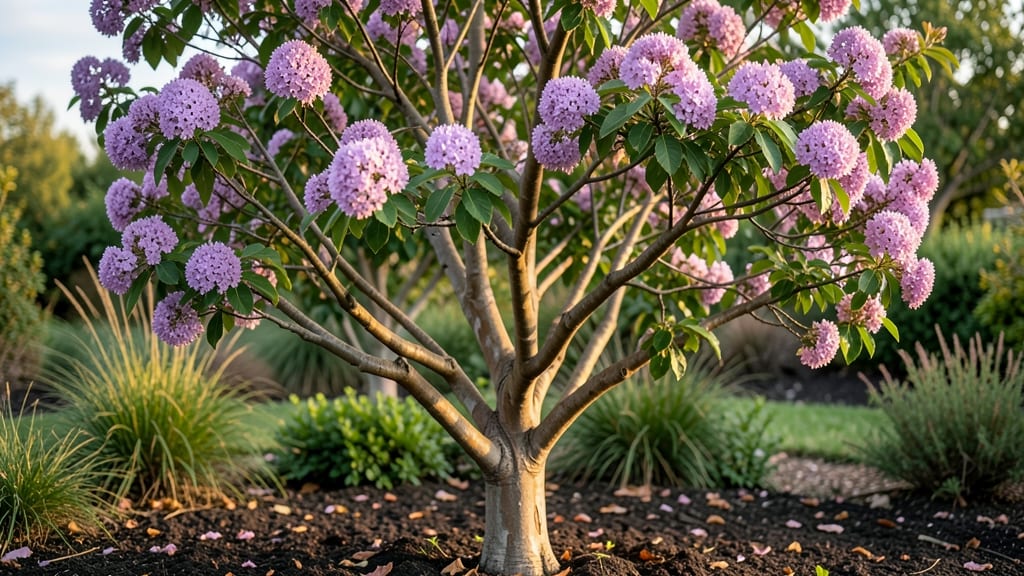
The Lila tree in English refers to the Lilac tree (Syringa vulgaris), celebrated for its intoxicating purple blooms, seasonal spring displays, and ornamental garden appeal. This botanical beauty traces its name to the Latin lilacinus, evoking its signature soft violet color.
The term "Lila" directly translates to "lilac" in English, though it's often used interchangeably with the botanical name Syringa vulgaris. 🌸 What makes this tree so special is its dual nature—both a fragrant floral powerhouse and a hardy perennial that thrives in temperate climates.
I've seen gardeners plant it as a focal point because it not only attracts pollinators but also symbolizes renewal with its vibrant springtime displays. The tree's adaptability across USDA zones 3-7 makes it a favorite for both novice and experienced landscapers.
Interestingly, the lilac's cultural significance runs deep.
In European folklore, it was believed to bring protection and ward off evil spirits, while Victorian flower language associated it with first emotions and youthful innocence. 🌿 This historical context explains why you'll find lilacs prominently featured in heritage gardens and public parks across North America and Europe today.
💡 In This Article
- Botanical Classification and Scientific Background of Lilac Trees
- Cultural and Symbolic Meanings of Lilac Trees Across History
Botanical classification and scientific background of lilac trees
The lilac tree belongs to the genus Syringa within the Oleaceae family, which also includes olives and ash trees. This genus comprises around 30 species, but only a few—like Syringa vulgaris (common lilac) and Syringa meyeri (dwarf lilac)—are widely cultivated.
The common lilac, native to southeastern Europe and Asia Minor, thrives in USDA hardiness zones 3-7, making it adaptable to cold winters and hot summers.
What sets lilacs apart botanically is their unique fragrance production mechanism. The flowers contain volatile organic compounds like linalool and benzyl acetate, which create that signature sweet, heady aroma.
These compounds are released through specialized cells called glandular trichomes on the flower petals. 🌸 The tree's panicle-shaped flower clusters (up to 12 inches long) are packed with these scent-producing cells, making each bloom a tiny aromatic factory.
Unlike many ornamental plants, lilacs produce fragrance primarily in the morning, when temperatures are cooler.
Lilac trees exhibit a deciduous growth habit, meaning they shed their leaves annually. Their bark is smooth and grayish-brown when young but develops a more rugged texture as the tree matures.
The leaves, arranged in pairs opposite each other on the stem, are 4-6 inches long with serrated edges and a slightly hairy texture. This foliage plays a crucial role in photosynthesis, fueling the energy needed for those dramatic spring blooms.
The tree's root system is shallow but extensive, helping it establish quickly in garden soil.
One fascinating adaptation is how lilacs handle their short bloom cycle. Most varieties flower for just 7-10 days in spring, but they've evolved to produce an abundance of flowers in that brief window to maximize pollination opportunities.
This explains why lilacs often appear to explode into bloom all at once—a survival strategy that also makes them a stunning garden spectacle. 🌿 The tree's ability to regenerate from cuttings (a process called vegetative propagation) has made it a favorite among gardeners for centuries.
When comparing species, Syringa vulgaris grows 15-25 feet tall with a similar spread, while Syringa meyeri stays compact at 6-10 feet, making it ideal for smaller gardens. The dwarf variety also blooms later in the season, extending the fragrance period.
This size variation demonstrates how lilacs have adapted to different ecological niches while maintaining their core botanical characteristics.
Understanding these botanical details helps explain why lilacs have remained popular for over 200 years in cultivation. Their hardiness, fragrance, and adaptability make them the perfect blend of scientific marvel and garden staple. 💫