
Trees
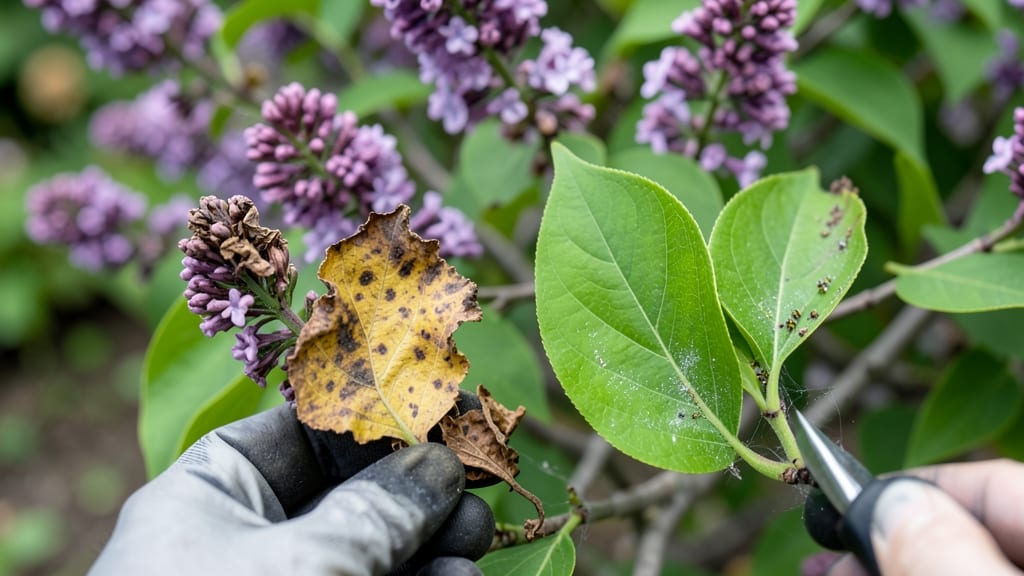
Your lilac tree’s leaves turning brown isn’t a death sentence—it’s a wake-up call. 🌿 I’ve nursed back more than a few lilacs from crispy edges to lush, fragrant blooms by catching the problem early.
The key is figuring out whether it’s fungal, bacterial, thirsty roots, or something else entirely before the damage spreads.
Most of the time, it’s powdery mildew or bacterial leaf spot—both thrive in humid summers and love lilacs like they’re all-you-can-eat buffets. Environmental stress (too much sun, drought, or poor drainage) shows up as brown patches too, but it’s easier to fix.
I’ll walk you through how to tell them apart and what to do in each case—no guesswork, just action.
By the time you’re done reading, you’ll know whether to prune aggressively, spray a simple fungicide mix, adjust your watering, or test your soil. The best part? Lilacs bounce back fast when you address the root cause—sometimes within weeks. I’ve seen entire trees recover after just one targeted treatment.
Here’s the game-changer: prevention is easier than cleanup. A few small habits now will keep your lilac’s leaves vibrant for years. Let’s get those branches looking healthy again before next season’s blooms even think about showing up.
Root Causes Behind Browning Leaves
Understanding why your lilac tree’s leaves are turning brown starts with identifying the hidden stressors at play. Lilacs (Syringa spp.) are hardy but not invincible—browning leaves often signal underlying issues. Below, we break down the most common culprits, backed by science, so you can diagnose and act fast.
Lilacs thrive in USDA Zones 3–7, but when temperatures swing too far outside this range—whether from scorching heatwaves or late-season frosts—leaves react defensively.
- Heat Stress (🔥): - Why? High temps (above 90°F/32°C) cause oxidative damage in leaf cells, leading to browning edges or entire leaves crisping. - Actionable Signs: - Leaves scorch along edges (like paper burning). - Wilting despite moist soil. - Fix: Mulch with 3–4 inches of organic matter to regulate soil temp.
Water deeply at dawn to reduce evaporation.
- Cold Damage (❄️): - Why? Frosts below 20°F (-7°C) can rupture cell walls, causing brown, mushy patches (especially on new growth). - Actionable Signs: - Leaves turn black or brown overnight after a freeze. - Buds fail to open in spring. - Fix: Apply anti-desiccant spray before winter.
Plant lilacs in sheltered spots (e.g., near walls) to trap heat.
Lilacs hate soggy roots but also wilting drought stress—both trigger browning leaves through nutrient starvation or root rot.
- Underwatering (💧➡️🔥): - Why? When soil dries out, roots struggle to absorb water, causing leaf edges to brown and crisp (a condition called scorch). - Actionable Signs: - Leaves feel dry and brittle to the touch. - Soil pulls away from the pot (if potted) or cracks when dry. - Fix: Water 1–1.5 inches per week (deep soak, not surface sprinkles).
Use drip irrigation to avoid runoff.
- Overwatering (💦➡️🍄): - Why? Waterlogged soil cuts off oxygen, leading to root rot (Phytophthora fungi).
Leaves turn yellow first, then brown as the tree can’t transport nutrients. - Actionable Signs: - Mushy, dark roots when dug up. - Leaves drop even when watered. - Fix: Improve drainage with sand or gravel in the root zone. Let soil dry 2 inches down between waterings.
Lilacs are magnets for pests and pathogens, which feed on leaves, disrupting chlorophyll production and causing browning.
- Spider Mites (🕷️): - Why? These tiny arachnids suck sap, leaving stippled, brown patches (especially on undersides). - Actionable Signs: - Fine webbing on leaves. - Leaves yellow then brown in a speckled pattern. - Fix: Blast off mites with a strong spray of water.
Use neem oil (1 tbsp/gallon) weekly.
- Powdery Mildew (🍄): - Why? Fungal spores thrive in humid, shady conditions, coating leaves in a white powder that blocks sunlight, turning leaves brown and brittle. - Actionable Signs: - White, flour-like dust on leaves. - Leaves curl and drop prematurely. - Fix: Prune for airflow (remove dense branches).
Spray with baking soda mix (1 tsp/baking soda + 1 quart water + drop of soap).
- Japanese Beetles (🐞): - Why? Adult beetles skeletonize leaves, leaving brown, lace-like remnants. - Actionable Signs: - Holes in leaves + green frass (poop). - Beetles chewing on flower buds. - Fix: Handpick beetles into soapy water.
Use milky spore (natural bacteria) for long-term control.
Lilacs need balanced nutrients, but improper soil pH or fertilizer burns can cause browning.
- Iron Deficiency (🔴): - Why? In alkaline soils (pH >7), iron becomes unavailable, causing interveinal chlorosis (yellow between veins) that progresses to brown patches. - Actionable Signs: - Young leaves yellow with green veins, then brown. - Fix: Test soil pH. Lower pH with sulfur (if >7).
Apply chelated iron (e.g., Ironite) in early spring.
- Fertilizer Burn (💥): - Why? Over-fertilizing (especially with high nitrogen or salt) burns roots, leading to brown, crispy leaf edges. - Actionable Signs: - Leaves brown along edges like a fried effect. - Soil looks crusty or white (salt buildup). - Fix: Flush soil with water to leach salts.
Use slow-release, organic fertilizer (e.g., composted manure).
Pro Tip: 💡 Before treating, take a close-up photo of the browning pattern and compare it to [this diagnostic guide](https://hort.extension.wisc.edu/articles/browning-leaves/). Some issues (like bacterial leaf spot) need copper fungicide—don’t guess!
Reviving your lilac’s health
Seeing your lilac tree’s leaves turn brown can feel like a gut punch—especially after admiring its fragrant blooms all season. 🌿 The good news? Most causes have simple, effective fixes. Below, we’ll break down the root causes (pun intended) and pair them with step-by-step solutions to bring your lilac back to life. Plus, we’ll share prevention tips to keep those leaves lush and green for years to come.
If brown spots, powdery coatings, or blackened edges are the culprits, your lilac is likely battling a fungal infection. Here’s how to tackle it:
🍳 Step 1: Prune Infected Branches
- Use sterilized pruners (wipe with rubbing alcohol between cuts) to remove all brown or spotted leaves and stems.
- Cut back to healthy green tissue—this prevents the fungus from spreading further.
👨🍳 Step 2: Apply Fungicide
- Choose a copper-based fungicide (like Bordeaux mixture) or a neem oil solution (1 tbsp per gallon of water).
- Spray early in the morning on a calm day to avoid drift. Reapply every 7–10 days until new growth appears.
🥘 Step 3: Improve Airflow & Light
- Thin out dense branches to reduce humidity near the foliage.
- Ensure the tree gets at least 6 hours of sunlight daily—fungi thrive in shady, damp conditions.
💡 Pro Tip: Water at the base (not overhead) to keep leaves dry. Early morning is best—wet leaves all day = fungal paradise.
If the brown edges look crispy (like paper) or the leaves feel dry to the touch, your lilac is thirsty or sunburned. Time to hydrate and protect it!
💧 Step 1: Deep Watering
- Water slowly and deeply (1–2 inches per week) to encourage deep root growth.
- Use a soaker hose or drip irrigation to avoid wetting the leaves.
🌿 Step 2: Mulch Like a Pro
- Spread 2–3 inches of organic mulch (wood chips or straw) around the base, but keep it 6 inches away from the trunk to prevent rot.
- Mulch retains moisture and regulates soil temperature.
☀️ Step 3: Provide Afternoon Shade
- If your lilac is in a hot, exposed spot, install light shade cloth (30–50% coverage) during peak afternoon sun (1–4 PM).
- Alternatively, plant fast-growing companions (like sunflowers) nearby to break up harsh winds and sun.
✨ Prevention Hack: Group lilacs with other drought-tolerant shrubs (like lavender or Russian sage) to create a microclimate that retains moisture.
Chewed leaves, webbing, or tiny holes? Pests like aphids, spider mites, or Japanese beetles are likely the villains. Here’s how to evict them:
🕷️ Step 1: Blast Off Pests with Water
- For aphids or spider mites, spray the leaves with a strong stream of water to knock them off. Repeat every 2–3 days.
🍎 Step 2: Introduce Natural Predators
- Ladybugs and lacewings eat aphids. Buy them online or attract them with neem oil sprays (which also deter pests).
- For Japanese beetles, handpick them into soapy water (wear gloves—those critters bite!).
🛡️ Step 3: Use Organic Insecticides
- Mix 1 tsp of dish soap + 1 tbsp neem oil in a gallon of water and spray directly on pests.
- For severe infestations, try kaolin clay (like Surround WP)—it coats leaves and deters feeding.
🎯 Prevention Tip: Wrap the trunk with tree banding tape in early spring to trap overwintering pests before they hatch.
Yellowing between veins (chlorosis) or stunted growth? Your lilac might be hungry. Let’s feed it right!
📊 Step 1: Test Your Soil
- Grab a DIY soil test kit (or send a sample to your local extension office) to check pH and nutrient levels.
- Lilacs prefer slightly acidic to neutral soil (pH 6.0–7.0).
💪 Step 2: Fertilize Smartly
- Apply a balanced, slow-release fertilizer (like 10-10-10) in early spring before new growth starts.
- For iron-deficient lilacs, use chelated iron supplements (follow package instructions).
🥗 Step 3: Boost Organic Matter
- Mix compost or well-rotted manure into the top 6 inches of soil around the base.
- Avoid fresh manure—it can burn roots!
🌡️ Pro Tip: If your soil is too alkaline (high pH), amend it with elemental sulfur or pine needles to lower pH gradually.
Once you’ve tackled the immediate issue, keep your lilac thriving with these year-round habits:
- ✅ Prune in late winter/early spring (before buds swell) to remove dead wood and encourage airflow.
- ✅ Monitor for stress signs after extreme weather (drought, heatwaves, or sudden cold snaps).
- ✅ Avoid overwatering—lilacs prefer slightly dry soil in winter to prevent root rot.
- ✅ Rotate fungicides if diseases recur to prevent resistance.
With a little TLC, your lilac will bounce back stronger—and next season, you’ll be the envy of the neighborhood with its vibrant blooms and glossy green leaves. 🌸
Frequently asked questions about lilac tree leaves turning brown
Why are my lilac leaves turning brown in patches but not all at once?
Patchy browning usually signals a localized issue like powdery mildew or bacterial leaf spot. These fungal/bacterial infections thrive in humid conditions and spread through water splashes. Check for white powdery coatings (mildew) or dark spots with yellow halos (bacterial spot). Prune infected branches immediately and apply copper fungicide to stop the spread.
Can I save my lilac if half the leaves are already brown and crispy?
Yes, but act fast! If the browning is from environmental stress (like drought or sunburn), deep watering and afternoon shade can revive remaining healthy tissue. For fungal issues, prune all brown leaves and apply fungicide. However, if more than 50% of the canopy is affected, the tree may struggle to recover fully—focus on preventing further damage to next year's growth.
Is it safe to use household vinegar as a fungicide for my lilac?
Plain white vinegar (5% acidity) can help prevent fungal growth when diluted (1 part vinegar to 3 parts water), but it won't cure established infections. For treatment, use copper fungicide or neem oil instead—vinegar's acidity can harm the tree's natural defenses over time. Always test a small branch first.
Why do my lilac leaves turn brown only at the edges?
Brown edges typically mean underwatering or fertilizer burn. Check soil moisture—if it's dry 2 inches down, water deeply. For fertilizer issues, flush the soil with water to remove excess salts. Mulch with 2-3 inches of organic matter to retain moisture and prevent future stress.
How long does it take for lilac leaves to recover after treatment?
With proper care, you'll see new growth in 2-4 weeks. Fungal issues may take longer (up to 6 weeks) as the tree needs time to produce fresh leaves. Monitor for pests and continue treatments until you see 100% healthy green foliage. Severe cases might need multiple applications of fungicide or soil amendments.