
Trees
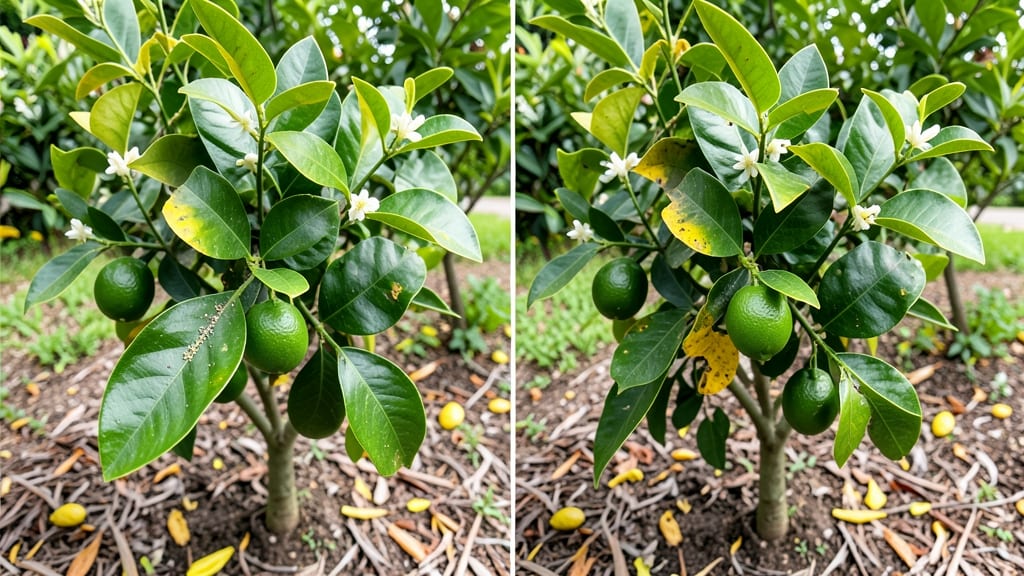
Your lime tree’s curled leaves aren’t just a cosmetic issue—they’re a desperate stress signal that something’s wrong. 🌿 Whether it’s tiny spider mites feasting on the undersides, scorching afternoon sun, or a hidden fungal infection, the fix starts with knowing what’s really causing the problem.
I’ve seen this happen to my Meyer lime tree after a heatwave, and the good news? Most cases are reversible with the right approach.
The culprits run the gamut: pests like spider mites leave silky webs and stippled leaves, while environmental stress (too much sun, wind, or drought) causes edges to crisp and twist.
Fungal infections often appear as yellow spots before curling, and nutrient deficiencies—especially iron or zinc—can make leaves pucker like old parchment. The first step is a close-up inspection with a magnifying glass (yes, really).
Once you identify the issue, the solutions are straightforward: neem oil sprays for pests, mulching to retain moisture, or chelated iron for deficiencies. I’ve fixed curled leaves in as little as two weeks by addressing the root cause—literally.
The key is acting fast before the problem spreads to the entire tree.
Prevention is even easier: consistent watering, light pruning for airflow, and regular inspections keep your lime tree thriving year-round. No more guessing—just healthy, glossy leaves by harvest season.
Understanding Leaf Curling Triggers
When your lime tree’s leaves start curling, it’s not just a random quirk of nature—it’s a clear stress signal from the tree. These reactions are survival mechanisms, often triggered by environmental or biological factors.
Below, we break down the most common causes, explained in simple terms with actionable insights to help you diagnose the issue.
One of the most frequent culprits behind curled lime tree leaves is pest activity. Insects like aphids, scale insects, spider mites, and leaf miners feed on sap, disrupting nutrient flow and causing leaves to curl or distort as a protective response.
How to spot them:
- Sticky residue (honeydew) on leaves or nearby surfaces (a sign of aphids or scale).
- Fine webbing on undersides of leaves (spider mites).
- Tiny, irregular tunnels in leaves (leaf miners).
- Yellowing or browning between leaf veins (early mite damage).
Actionable fix: Use a hose to blast pests off leaves (especially aphids), or apply neem oil or insecticidal soap for a natural solution. For severe infestations, consult a pesticide labeled for ornamental trees.
Pathogens like anthracnose, leaf spot diseases, or bacterial leaf curl can cause leaves to twist, thicken, or develop necrotic spots. These infections thrive in humid, poorly ventilated conditions and often appear after prolonged wetness or stress.
Visual clues:
- Dark, sunken spots with yellow halos (anthracnose).
- Wet-looking lesions that ooze (bacterial infections).
- Premature leaf drop alongside curling (fungal stress).
Actionable fix:
- Prune infected branches (sterilize tools with rubbing alcohol) to improve airflow.
- Apply copper fungicide or baking soda spray (1 tsp baking soda + 1 quart water + a drop of soap) for prevention.
- Avoid overhead watering to reduce humidity around foliage.
Lime trees are sensitive to extreme conditions, and sudden changes in temperature, wind, or soil moisture can trigger leaf curling as a protective measure. Common stressors include:
| Stressor | Signs | Quick Fix |
|---|---|---|
| Heat or drought | Leaves curl upward, edges brown, wilting. | Water deeply 2–3x/week (check soil 2" down—if dry, it’s thirsty). Use mulch to retain moisture. |
| Cold or frost | Leaves curl downward, blackened edges, brittle texture. | Protect young trees with burlap wraps or move potted trees indoors. Avoid watering before frost. |
| Wind or salt spray | Leaves curl tightly, scorch marks, stunted growth. | Plant near a windbreak (e.g., fence or hedge). Flush soil with fresh water if near coastal areas. |
| Overwatering | Yellowing leaves, soggy soil, curling with a mushy feel. | Let soil dry 2–3 inches deep between waterings. Improve drainage with perlite or sand. |
Pro tip: 💡 Lime trees prefer consistent moisture—never let them sit in waterlogged soil. A moisture meter can help track soil conditions accurately.
Curled leaves can also signal imbalanced nutrients, either from deficiencies or excesses. Lime trees are particularly sensitive to:
- Nitrogen (N) deficiency: Leaves curl inward, turn pale yellow (especially older leaves). Fix: Apply a balanced fertilizer (e.g., 10-10-10) in spring.
- Magnesium (Mg) deficiency: Interveinal yellowing (chlorosis) with curled edges. Fix: Spray leaves with Epsom salt solution (1 tbsp/gallon water) every 2 weeks.
- Iron (Fe) deficiency: New leaves curl and stay yellow-white (chlorosis). Fix: Use chelated iron or adjust soil pH (lime trees prefer slightly acidic to neutral, pH 6.0–7.5).
- Salt or chemical buildup: Leaves curl downward, crispy edges. Fix: Flush soil with rainwater and avoid fertilizing until symptoms improve.
Soil test tip: ✨ Send a soil sample to your local extension office for a nutrient analysis—it’s the fastest way to diagnose hidden imbalances.
By identifying the root cause—whether it’s pests, pathogens, environmental stress, or nutrients—you can target your response and help your lime tree bounce back. Next, we’ll cover how to treat each issue step by step.
Quick Fixes for Twisted Lime Leaves
Curling leaves on your lime tree can feel like a mystery, but with the right approach, you can restore its health and prevent future stress. Below are targeted solutions based on the most common causes—from pests to environmental factors—along with prevention tips to keep your tree thriving.
If mites, aphids, or scale insects are sucking the sap from your lime tree’s leaves, they’ll often leave behind curled, distorted foliage.
🔥 Step 1: Inspect the Damage
- Flip leaves over and check for tiny webs (spider mites), sticky residue (aphids), or hard bumps (scale).
- Look for yellowing or brown spots where pests feed.
🍳 Step 2: Blast Them Away
- Neem oil spray (1 tsp neem oil + 1 tsp mild soap + 1 quart water) – Spray underneath leaves where pests hide.
- Insecticidal soap (store-bought or homemade) – Reapply every 5–7 days until pests vanish.
- Hose them off – A strong spray of water can dislodge aphids and soft-bodied pests.
🌡️ Prevention Tip:
- Encourage natural predators like ladybugs and lacewings by planting marigolds or dill nearby.
- Prune infested branches immediately to stop the spread.
Lime trees are tropical and hate sudden changes—too much sun, wind, or temperature swings can cause leaves to curl defensively.
👨🍳 Step 1: Shield from Harsh Conditions
- Move potted lime trees to a spot with morning sun + afternoon shade (especially in hot climates).
- Windbreaks – Use burlap screens or tall plants to block gusts if your tree is outdoors.
- Mulch heavily (2–3 inches) to retain moisture and regulate soil temperature.
🥘 Step 2: Water Wisely
- Deep watering (1–2 inches per week) is better than frequent shallow drinks.
- Check soil moisture – Stick your finger 2 inches deep; if dry, water thoroughly.
- Avoid soggy roots – Ensure pots have drainage holes and outdoor trees aren’t planted in low spots.
✨ Prevention Tip:
- Gradually acclimate potted lime trees to outdoor conditions over 1–2 weeks to avoid transplant shock.
- Use shade cloth (30–50%) in extreme heat to prevent sunburn.
Yellowing between veins (iron deficiency) or purple-tinged leaves (phosphorus lack) can cause curling as the tree struggles to produce chlorophyll.
🔪 Step 1: Test & Treat Soil
- Citrus-specific fertilizer (high in nitrogen, iron, and zinc) – Apply every 2–3 months during growing season.
- Epsom salt solution (1 tbsp per gallon of water) – Spray or water with this monthly for magnesium boost.
- Slow-release granules – Sprinkle around the root zone for steady nutrients.
⏰ Prevention Tip:
- Fertilize in spring (when new growth starts) and stop by fall to avoid winter stress.
- Avoid over-fertilizing – Too much salt can burn roots; follow package rates.
- Prune strategically – Remove only damaged or crossing branches to improve airflow.
- Monitor humidity – Lime trees love 50–70% humidity; use a pebble tray with water indoors.
- Rotate pots – If growing in containers, turn the pot quarter-turn weekly for even sun exposure.
By addressing the root cause (literally and figuratively), your lime tree’s leaves should uncurl and bounce back in 2–4 weeks. Keep an eye on it, adjust care as needed, and your tree will reward you with lush, vibrant foliage all season long! 🌿✨
Frequently asked questions
Why do lime tree leaves curl upward vs. downward?
Upward curling usually signals drought stress or excessive heat, as the tree tries to reduce water loss. Downward curling often indicates overwatering, cold damage, or nutrient deficiencies like iron or magnesium. Check soil moisture and leaf undersides for pests or discoloration to narrow it down.
Can I save my lime tree if half the leaves are already curled?
Yes! Act fast by identifying the cause (pests, stress, or nutrients) and applying the right fix. Prune severely affected branches to redirect energy, then focus on consistent watering and targeted treatments. Healthy leaves will regrow in 4–6 weeks if the root system is still strong.
How often should I spray neem oil for spider mites?
Apply neem oil every 5–7 days for 2–3 weeks to break the spider mite life cycle. Mix 1 teaspoon neem oil + 1 teaspoon mild soap per quart of water, and always spray undersides of leaves where mites hide. Stop after signs disappear to avoid harming beneficial insects.
Will lime tree leaves uncurl on their own?
Only if the stressor is temporary (like a brief heatwave). For permanent fixes, you must address the root cause—whether it’s adjusting watering habits, treating pests, or amending soil nutrients. Without intervention, curled leaves often worsen and may drop prematurely.
Can I use coffee grounds to fix curled lime tree leaves?
Coffee grounds can help with acid-loving plants (lime trees prefer pH 6.0–7.5) but won’t fix curling caused by pests or stress. Use them sparingly (1–2 cups per tree) as a slow-release nitrogen source, but focus first on diagnosing the actual issue. Too much can raise soil acidity too quickly.