
Pests and Diseases
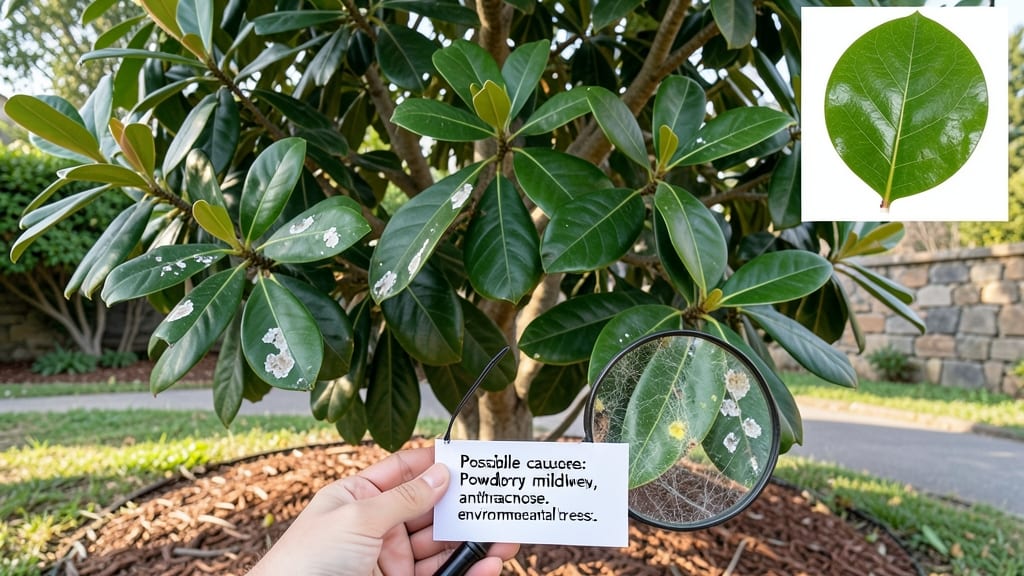
White spots on your magnolia leaves could be fungal spot disease—or something else entirely. 🌿 I’ve seen this problem ruin a perfectly healthy-looking tree in just a few weeks, and the key to saving it is acting fast with the right diagnosis and treatment.
The spots might feel powdery (powdery mildew) or sunken and dark-edged (anthracnose), and their location—undersides of leaves or scattered randomly—gives big clues. Overhead watering, poor air circulation, or wet foliage for too long creates the perfect breeding ground, so don’t assume it’s just a cosmetic issue.
Once you confirm the culprit, you’ll tackle it with neem oil sprays, copper fungicides, or baking soda solutions—all organic options that work if caught early. Prune affected leaves, space trees properly, and water at the base to keep the problem from spreading.
If the spots keep coming back or the tree looks weak, it’s time to call a local arborist. The good news? With the right care, your magnolia can bounce back stronger than ever—and those glossy leaves will be back in no time.
Root Causes Behind Leaf Spots
White spots on magnolia leaves aren’t just an aesthetic nuisance—they’re often a cry for help from your tree. Understanding the why behind these symptoms is the first step to restoring your magnolia’s health.
Below, we break down the most common culprits, from microscopic invaders to environmental stressors, with clear explanations and actionable insights.
🍄 Fungal spores are the #1 cause of white or grayish spots on magnolia leaves. These pathogens thrive in warm, humid conditions—making spring and summer prime infection seasons. Two of the most notorious offenders are:
- **Anthracnose (Colletotrichum spp.) - How it spreads: Spores land on leaves, germinate in wet conditions, and create sunken, white-to-tan spots with dark borders. Over time, these spots expand, turning brown and causing leaf drop. - Why it targets magnolias: Magnolias have soft, broad leaves—perfect breeding grounds for fungi.
Poor air circulation (like overcrowded plantings) accelerates spread. - 🔍 Tell-tale sign: Look for ragged, irregular spots with a velvety texture, often surrounded by yellow halos.
- Powdery Mildew (Erysiphe spp.) - How it spreads: Unlike anthracnose, powdery mildew doesn’t need wet leaves—it thrives in high humidity (60%+) and poor airflow.
It coats leaves in a white, powdery film, which is actually fungal hyphae (thread-like structures) sucking nutrients. - Why it targets magnolias: Young, tender leaves are especially vulnerable. Shady or densely planted magnolias are hotspots. - 🔍 Tell-tale sign: Spots start as white, dusty patches that spread rapidly.
Leaves may curl or distort as the fungus advances.
🦠 While fungi get the spotlight, bacterial leaf spot** (Xanthomonas or Pseudomonas spp.) can also cause white or grayish spots—often with a water-soaked appearance before turning necrotic. Here’s how it differs:
- How it spreads: Bacteria enter through wounds (pruning cuts, hail damage) or natural openings (stomata).
Rain splashes or contaminated tools accelerate transmission. - Why it’s tricky: Symptoms mimic fungal spots but often have yellow margins and ooze a clear or amber liquid when crushed. - 💡 Pro Tip: Bacterial infections are harder to treat than fungi. Prevention is key—sterilize pruners with rubbing alcohol and avoid overhead watering.
🌡️ Not all white spots are caused by pathogens—sometimes, your magnolia’s environment is the villain. Common triggers include:
| Stressor | How It Causes Spots | Quick Fixes |
|---|---|---|
| Excessive Moisture | Leaves stay wet too long, promoting fungal growth. | Improve drainage; water at the base, not overhead. |
| Poor Airflow | Humidity lingers, creating fungal paradise. | Prune nearby branches; space plants 6+ feet apart. |
| Nutrient Deficiencies | Weak leaves can’t fight off pathogens. | Test soil; amend with compost or slow-release fertilizer. |
| Sun Scorch | White or bleached patches from too much direct sun after winter. | Gradually acclimate young trees to full sun. |
| Chemical Burn | Over-fertilizing or herbicide drift damages leaves. | Flush soil with water; avoid broadleaf herbicides near magnolias. |
🐜 While pests like magnolia scale or spider mites don’t directly cause white spots, their damage weakens leaves, making them susceptible to secondary infections.
For example: - Spider Mites feed on leaf sap, causing stippling (tiny white dots) that resemble early fungal spots. - Scale Insects excrete honeydew, which fosters sooty mold—a black fungal growth that can mask underlying white spots.
🔥 Action Step: Inspect the undersides of leaves for webs (mites) or cottony masses (scale). Treat with neem oil or insecticidal soap if infestations are found.
⚡ White spots can also appear from mechanical damage, such as:
- Hail or wind tearing leaf tissue, leaving pale patches.
- Animal grazing (deer, rabbits) chewing edges, exposing leaves to infections.
- Improper pruning (cutting too close to branches) creating entry points for pathogens.
🛡️ Prevention Tip: Use tree guards or fencing to protect young magnolias from wildlife. Prune during dry weather to minimize wound infections.
Fixing White Spots on Magnolia Leaves
White spots on your magnolia tree’s leaves can feel like a frustrating mystery, but the good news is that most causes have straightforward fixes—especially if you act quickly. Below are targeted solutions for the most common culprits, paired with prevention tips to keep your magnolia thriving.
Let’s roll up our sleeves and get your tree back to its lush, spot-free glory! 🌿✨
Fungal infections are the #1 reason for those unsightly white or grayish spots, often accompanied by yellowing or leaf drop. Here’s how to tackle them:
🔥 Step 1: Prune for Better Airflow
Fungi love damp, crowded spaces. Thin out dense branches to improve airflow around the tree.
Focus on: - Removing crossing or rubbing branches (use clean, sharp pruners). - Trimming low-hanging branches that stay wet longer. - Dispose of infected leaves (don’t compost them—bag and trash them!).
🍳 Step 2: Apply Fungicide (Organic or Chemical)
Once you’ve pruned, it’s time to stop the spread with a targeted fungicide.
Your options: | Type | How to Use | Best For | |-------------------------|-------------------------------------------------------------------------------|---------------------------------------| | Neem Oil | Mix 1 tsp neem oil + 1 tsp mild soap per quart of water. Spray evenly on leaves (top and bottom).
Repeat every 7–10 days until new growth appears. | Early-stage infections, prevention | | Baking Soda Spray | Combine 1 tbsp baking soda + 1 tsp oil + 1 gallon water. Spray directly on spots.
Works best in dry conditions. | Powdery mildew, mild leaf spot | | Copper Fungicide | Follow label rates (e.g., Cheshunt Compound).
Apply at first sign of spots, then every 2–3 weeks during wet seasons. | Severe anthracnose or spot diseases | | Sulfur-Based Sprays | Use wettable sulfur (e.g., Liqui-Cop). Best for powdery mildew—apply early morning to avoid leaf burn. | Powdery mildew outbreaks |
⚠️ Pro Tip: Always spray early in the morning or late afternoon to avoid burning leaves in direct sunlight. 🌞💦
🌡️ Step 3: Adjust Watering & Environment Fungi thrive in wet, humid conditions.
To dry things out: - Water at the base (not overhead) to keep leaves dry. - Avoid late-day watering—wet leaves overnight = fungal buffet. - Improve drainage if your soil stays soggy (add compost or sand). - Space mulch 3–4 inches away from the trunk to prevent moisture buildup.
🎯 Prevention for Next Year
- Plant in full sun (6+ hours/day)—magnolias hate shade + humidity combos.
- Choose resistant varieties like Magnolia grandiflora ‘Little Gem’ (less prone to fungal issues).
- Clean up fallen leaves in autumn (fungi hibernate in them!).
- Apply preventive fungicide in spring (before buds open) if your area is prone to fungal diseases.
Tiny pests can leave white residue, webbing, or stippled damage. Here’s how to evict them:
👨🍳 Step 1: Blast Off Pests with Water
Start with a strong hose spray (40+ PSI) to dislodge pests. Focus on:
- New growth (where pests love to hide).
- Undersides of leaves.
- Crevices in bark.
🥘 Step 2: Use Insecticidal Soap or Oil
For stubborn infestations, try:
- Insecticidal soap (e.g., Safer® Brand): Spray directly on pests, repeat every 5–7 days.
- Horticultural oil (e.g., Neem oil or dormant oil): Apply in early spring or late fall to suffocate overwintering pests.
- Systemic granules (e.g., Imidacloprid): Water into soil for long-term pest control (use sparingly—only if needed).
⏰ Step 3: Introduce Beneficial Predators
Nature’s cleanup crew can save you time:
- Ladybugs (eat aphids and mites).
- Predatory mites (control spider mites).
- Parasitic wasps (target scale insects).
💡 Pro Tip: Buy them from garden centers and release them at dusk when pests are less active.
✨ Prevention Tips
- Inspect new plants before bringing them home (quarantine for a week if possible).
- Avoid over-fertilizing with nitrogen—soft new growth attracts pests.
- Prune regularly to remove pest hotspots.
If the white spots are crusty, dry, or appear only on sun-exposed sides, your magnolia might be suffering from sun scorch or chemical damage.
🔪 Step 1: Provide Afternoon Shade
- Install shade cloth (30–50% coverage) if your magnolia gets harsh afternoon sun.
- Plant near taller trees (but avoid competition for water).
- Mulch heavily (2–3 inches) to insulate roots and reduce stress.
🌿 Step 2: Check for Chemical Overload
White spots can also signal fertilizer burn or pesticide residue. Fix it by:
- Stop fertilizing for 2–3 months and water deeply to flush out excess salts.
- Test soil pH (ideal for magnolias: 5.0–6.5).
Adjust with sulfur (to lower pH) or lime (to raise pH) if needed. - Avoid broadleaf herbicides near magnolias—they’re sensitive to drift!
🌡️ Prevention Tips
- Water deeply 2–3 times per week (1–2 inches total) during dry spells.
- Use slow-release fertilizer (e.g., osmocote) to avoid spikes in nutrients.
- Space out pesticide applications—magnolias are sensitive to multiple treatments.
If your magnolia’s leaves are severely distorted, dropping en masse, or oozing sap, it might need a professional arborist. Signs to watch for:
- Cankers (sunken, dead patches on bark).
- Wilting despite watering.
- Unusual white mold (could be Phytophthora root rot).
Final Thought: Most white spot issues are manageable with quick action—prune, spray, adjust care, and your magnolia will bounce back. 🌟 The key is consistency: treat the problem, then prevent it from returning. Happy gardening!
Frequently asked questions
What’s the difference between powdery mildew and anthracnose on magnolia leaves?
Powdery mildew appears as white, dusty patches that spread rapidly and often cause leaves to curl. Anthracnose shows as ragged, sunken spots with dark borders that eventually turn brown and lead to leaf drop. Check the undersides of leaves—powdery mildew thrives in high humidity, while anthracnose needs wet conditions to germinate.
Can I use household baking soda to treat white spots on my magnolia?
Yes! Mix 1 tablespoon baking soda with 1 teaspoon oil and 1 gallon water for a gentle fungicide. Spray directly on affected leaves in dry conditions—it works best for powdery mildew and mild fungal infections. Repeat every 7–10 days until new growth appears. Avoid using it if spots are water-soaked (could indicate bacterial infection).
Why do white spots keep coming back even after treatment?
Fungal spores often survive in fallen leaves or soil, reinfecting your tree. Remove all infected leaves (don’t compost them), improve airflow by pruning, and apply preventive fungicide in spring before buds open. If spots persist, check for poor drainage or overhead watering, which keeps leaves damp too long.
Are white spots on magnolia leaves always caused by disease?
Not always! Other causes include pest damage (like spider mites creating tiny white dots), sun scorch (bleached patches on sun-exposed sides), or chemical burns from fertilizer/pesticide drift. Inspect leaves closely—pests leave webbing or stippling, while sun scorch appears only on one side of the leaf.
When should I call an arborist for white spots on my magnolia?
Consult a professional if you see cankers on bark, severe wilting, or white mold at the base (possible root rot). Also call if treatments fail after 3 applications or if more than 50% of leaves are affected. Early intervention saves your tree—don’t wait until symptoms spread!