
Pruning
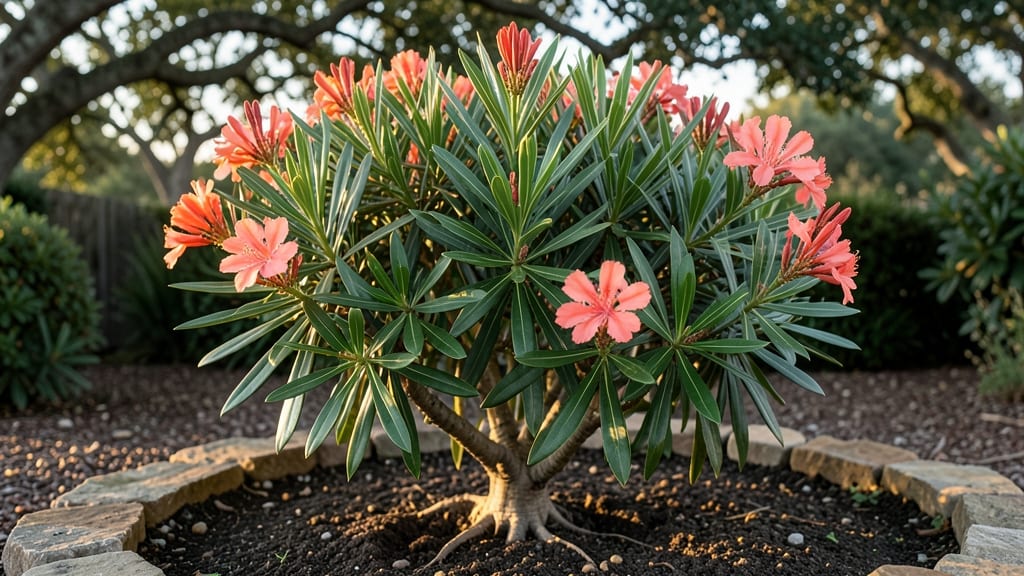
Growing an oleander tree in Florida means year-round color and resilience—but only if you follow the right steps.
Picture this: your 🌺 thrives under the relentless sun, blooming nonstop, while neighbors’ oleanders struggle with yellowing leaves or sparse flowers. The difference? Knowing when to prune, how much water to give, and which pests to watch for in Florida’s humid climate.
This guide covers everything from planting in well-draining soil to seasonal pruning tips that keep your oleander lush and blooming, even in Florida’s heat. No more guesswork—just a thriving tree that matches your sunny state’s vibrancy.
You’ll learn the best times to trim, how to spot common pests early, and simple care routines that save time. Let’s get your oleander looking its best with minimal effort.
Florida-specific oleander tree care: sun, soil & pest control
Oleander trees (Nerium oleander) thrive in Florida’s USDA Zones 9b-11, where they flourish with minimal care. Their vibrant pink, white, or yellow blooms reward gardeners who meet their basic needs—sunlight, well-draining soil, and proper watering.
Unlike many plants, oleanders handle Florida’s humidity and heat beautifully, but they still need the right conditions to avoid pests and diseases.
One of the biggest mistakes Florida gardeners make is assuming oleanders are completely drought-proof. While they’re drought-tolerant, they still need consistent moisture, especially during summer heatwaves.
Another common issue is planting them in poorly draining soil, which leads to root rot—a silent killer in Florida’s wet climate. Let’s break down the essentials to keep your oleander healthy, blooming, and pest-free.
| Care Factor | Florida-Specific Requirement | Best Practices |
|---|---|---|
| Sunlight Needs | 6+ hours of direct sun daily | Plant in full sun (south or west-facing spots). Avoid deep shade, which reduces blooms. |
| Soil Type | Well-draining, sandy or loamy soil | Avoid clay soil. Amend with compost or perlite if drainage is poor. |
| Watering Schedule | Deep watering every 7-14 days | Water early morning to prevent fungal issues. Reduce to bi-weekly in winter. |
| Fertilizer | Balanced 7-7-7 or 8-3-9 NPK | Apply every 2-3 months in spring and fall. Avoid over-fertilizing in summer. |
| Common Pests | Oleander caterpillars & scale insects | Use neem oil or insecticidal soap for caterpillars. Prune infested branches immediately. |
| Coastal Tolerance | Moderate salt tolerance | Rinse leaves with freshwater after salt spray. Plant at least 10 ft from shore. |
Florida’s full sun exposure is ideal for oleanders, but they can tolerate partial shade in extreme heat (like inland areas near Orlando or Tampa). If you’re planting near coastal regions, choose a spot with morning sun and afternoon shade to protect leaves from salt spray.
Oleanders grow best in well-draining soil, so if your yard has heavy clay, mix in organic matter like compost or sand to improve drainage.
Watering is where many Florida gardeners go wrong. While oleanders are drought-tolerant once established, they still need deep, infrequent watering—about 1-2 inches per week during dry spells. In summer months, water every 5-7 days if there’s no rain, but reduce to bi-weekly in winter.
Always water at the base of the tree to avoid wetting the foliage, which can lead to fungal diseases like powdery mildew.
Florida’s warm climate means oleanders can bloom year-round, but they still benefit from seasonal fertilizing. Use a balanced 7-7-7 or 8-3-9 fertilizer in early spring and fall to encourage healthy growth and abundant flowers.
Avoid heavy fertilizing in summer, as this can lead to leaf burn or attract pests. A light feeding in late winter helps kickstart new growth after Florida’s mild winters.
Pests are the biggest threat to oleanders in Florida, with oleander caterpillars and scale insects being the most common. Caterpillars
Best oleander pruning schedule for Florida’s humid climate
Pruning your oleander tree in Florida isn’t just about shaping—it’s about encouraging year-round blooms while protecting it from humidity-related diseases. Florida’s warm, damp climate means pruning at the wrong time can invite fungal issues or stress your tree.
The key? Timing is everything, and I’ll walk you through the best schedule to keep your oleander thriving.
Most Florida gardeners make the mistake of pruning after heavy blooms or during summer heatwaves, both of which can weaken your tree. Instead, focus on late winter to early spring (January–March) for the main pruning session.
This aligns with Florida’s dry season, reducing disease risk while giving your oleander time to recover before summer’s heat.
Why timing matters: Pruning in Florida’s humid summer can leave fresh cuts vulnerable to sooty mold or root rot. A well-timed prune in cool, dry months ensures your tree puts energy into new growth and blooms—not fighting infections. Let’s break it down step by step.
Step-by-Step Oleander Pruning Guide for Florida
-
Step 1: Choose the Right Tools
Use sterilized pruning shears (clean with rubbing alcohol) and a sharp bypass pruner for larger branches. Avoid dull tools that tear bark, inviting disease.
-
Step 2: Prune After Flowering (Late Winter)
Trim dead or crossing branches first, then cut back 1/3 of the oldest stems to encourage new blooms. Florida’s January–March dry season is ideal.
-
Step 3: Light Summer Pruning (Optional)
If needed, do minimal shaping in June–July—only remove sparse or leggy growth. Avoid heavy pruning; focus on airflow improvement to reduce humidity stress.
-
Step 4: Clean Up Debris Immediately
Remove all clippings and fallen leaves to prevent fungal spores from thriving in Florida’s damp air. Dispose of trimmings in the trash, not your compost.
-
Step 5: Apply Pruning Sealant (Optional)
For cuts larger than 1/2 inch, use a tree wound sealant to protect against bacterial infections common in Florida’s humidity.
Pro tip: Never prune in fall—this can stimulate new growth that won’t harden off before Florida’s occasional cold snaps. Instead, use fall to monitor for pests like oleander caterpillars and treat early if needed.
After pruning, give your oleander a light fertilizer application (like 7-7-7 NPK) to support recovery. Water deeply at the base of the tree in the morning to avoid fungal issues from evening moisture. With this schedule, your oleander will reward you with bold, continuous blooms all year.
Remember, Florida’s humid climate means your oleander is always one step ahead of pests and disease. Stay proactive with pruning, and your tree will stay healthy, lush, and full of color—just like the Florida landscape deserves. 🌺✂️