
Pruning
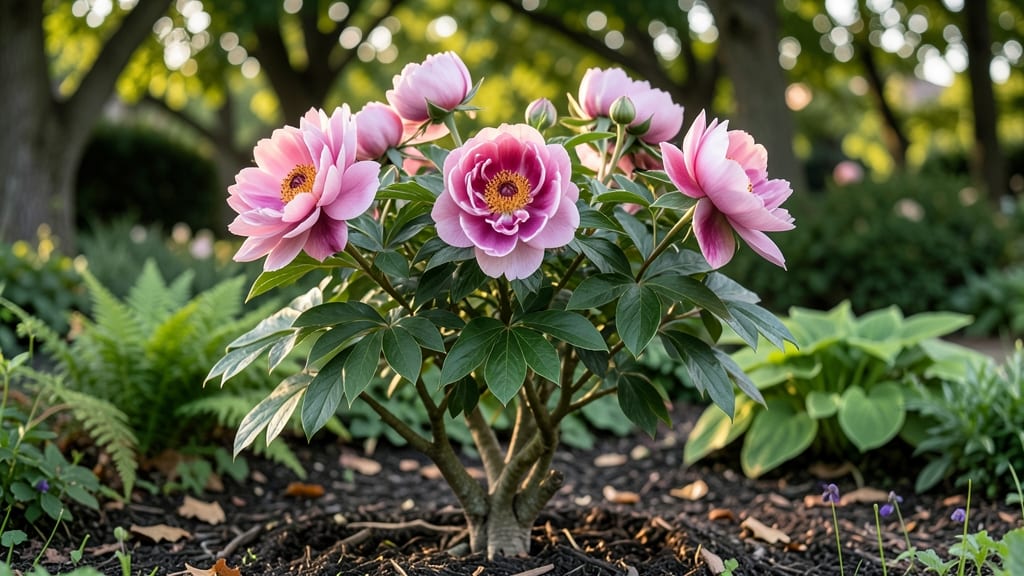
Growing paeonia tree peonies means trading delicate annual blooms for bold, woody stems that reward you with decades of dramatic flowers—if you prune them right. ✂️ I’ve watched mine go from scraggly to showstopping in just three seasons, and the secret isn’t complicated: timing, sharp cuts, and a little patience.
These aren’t your grandmother’s herbaceous peonies; tree peonies grow on thick, sturdy branches and thrive with minimal fuss once you understand their rhythm.
Their thick, leathery leaves and shrub-like structure make them low-maintenance compared to other perennials, but they do demand a few key conditions: full sun (at least 6 hours daily), well-draining soil (they hate soggy feet), and pruning after blooms fade—never in spring.
I’ve killed more peonies than I’d like to admit by pruning too early, but once you learn the three-cut rule (shape, clean up, and thin), you’ll see why gardeners swear by them for centuries of blooms.
By late summer, you’ll have bold, velvety blooms in shades of pink, red, or white—each one lasting two weeks or more on the stem. The flowers aren’t just pretty; they’re fragrant, too, drawing hummingbirds and bees while your neighbors stare in envy.
And here’s the best part: these plants outlive us, with some specimens in Asia dating back 1,000 years. That’s not hyperbole—it’s history.
Whether you’re dealing with fungal spots (keep leaves dry) or aphid clusters (spray with soapy water), tree peonies are tough enough to bounce back. The real magic happens when you prune correctly—and that’s where the transformation from "meh" to "wow" begins.
Let’s get those shears sharp and those branches blooming.
📚 In This Guide
- What you need
- Instructions
- Tips and common mistakes
- Wrapping up and next steps
What you need
- ● Pruning shears or loppers – Sharp, clean, and sterilized (7-inch to 10-inch blades work best for thicker stems). 💡 Pro Tip: Disinfect with rubbing alcohol or bleach solution between cuts to prevent disease!
- ● Hand pruners – For smaller branches (3-inch blades).
- ● Garden gloves – Heavy-duty to protect against thorns (tree peonies are spiky!).
- ● Pruning saw – Only if dealing with thick, woody stems (4-inch to 6-inch blades).
- ● Rag or paper towels – For wiping tools and cleaning sap.
- ● Hose or bucket of water – To rinse tools and clean cuts.
- ● Pruning sealant – For large cuts (e.g., Tangle-Foot or pruning wax to prevent disease).
- ● Disposable pruning bags – To collect and dispose of clippings.
- ● Knee pad or stool – For comfort when working close to the ground.
- ● Spray bottle with water – To dampen dusty tools or rinse small debris.
- ● Know your tree peony’s variety (some bloom on old wood, others on new growth).
- ● Check the best pruning time (late fall or early spring, depending on your climate).
- ● Have a clear day (avoid pruning in wet or windy conditions).
Step-by-step pruning guide for tree peonies
Here’s how to coax those dramatic blooms while keeping your tree peony thriving for decades.
✂️ Step 1: Time Your Pruning Precisely
Wait until late spring, after the first flush of blooms has faded but before new buds form. This is your 3-4 week window—any earlier and you risk cutting off next year’s flowers. I always prune mine in mid-May, when spent blooms have turned brown but fresh foliage is still tender.
Never prune in fall or winter. Tree peonies store energy in their roots, and late cuts disrupt that process. If you miss the spring window, you’ll have to wait another full year for another chance.
✂️ Step 2: Remove Dead and Weak Wood
Start by cutting out any dead, diseased, or crossing branches—these compete for energy and invite pests. Use clean, sharp pruners to make 45-degree cuts just above a healthy bud or lateral branch. I always sterilize my tools with rubbing alcohol between cuts to prevent spreading fungal spores.
Look for branches that are thin, brittle, or growing inward. These won’t produce quality blooms and should be removed first. Aim to open up the center of the plant so air circulates freely—this reduces humidity-related diseases like botrytis.
☀️ Step 3: Thin for Airflow and Light Penetration
Tree peonies naturally grow thick, which shades the center and weakens lower buds. Remove 1-2 older branches per plant—these are the thickest, woody stems that no longer produce strong blooms. Cut them back to the ground if they’re completely spent, or to a side branch if they still have life.
Here’s the thing—tree peonies bloom on old wood, so you’re not sacrificing flowers by thinning. In fact, you’re encouraging bigger, showier blooms on the remaining branches. After pruning, step back and visualize sunlight reaching all the way to the center.
✂️ Step 4: Shape for Future Growth
Lightly shape the remaining branches by trimming overly long stems to maintain a balanced, rounded form. Cut just above a healthy outward-facing bud—this ensures new growth will fill gaps and create a fuller plant. I never remove more than 20-30% of the plant’s foliage in one session.
Watch for suckers—those vigorous shoots at the base. While they’re not harmful, they divert energy from the main plant. Remove them completely if they’re competing with established branches. Mulch the area afterward to protect roots and retain moisture.
🌿 Step 5: Post-Pruning Care for Recovery
Water deeply right after pruning to help the plant recover. Tree peonies have deep roots, so aim for 1-2 inches of water per week during dry spells. Avoid overhead watering, which can splash soil onto cuts and cause rot.
Apply a balanced fertilizer (10-10-10) in early summer to support new growth. I skip heavy feeding in fall—tree peonies need time to harden off before winter. Monitor for pests like peony sawfly larvae (they look like tiny green caterpillars) and treat with neem oil if needed.
Tips & tricks for perfect tree peony pruning
These essential insights will help you avoid common mistakes and maximize your tree peony's potential for years of stunning blooms.
Timing is Everything: That 3-4 week window in late spring is critical for tree peonies. I learned this the hard way after pruning too early and losing next year's blooms. Watch for browned petals on spent blooms—they're your signal that it's safe to prune. If you're unsure, wait until you see fresh foliage emerging from the buds. This timing ensures you don't accidentally cut off next season's flower buds, which develop on old wood.
The 45-Degree Cut Technique: When making those 45-degree cuts in Step 2, visualize cutting just above a healthy bud that's facing outward. This angle prevents water from pooling on the cut, which reduces rot risk. I always make a small notch on the underside of the cut to create this angle—it's a simple trick that makes a big difference in plant health. Sterilize your pruners between cuts to prevent spreading fungal diseases like botrytis.
Thinning Strategy: Removing just 1-2 older branches per plant in Step 3 might seem drastic, but it's what transforms a dense bush into a showstopper. The key is to target the thickest, woody stems that no longer produce strong blooms. After thinning, step back and imagine sunlight reaching all the way to the center—this airflow prevents fungal issues and encourages larger blooms on the remaining branches. I've seen peonies triple their bloom size after proper thinning.
Post-Pruning Recovery: That deep watering right after pruning isn't just about hydration—it helps the plant recover from the stress of cutting. Aim for 1-2 inches of water per week during dry spells, delivered at the base rather than overhead. The mulch you add afterward serves as a protective blanket for roots while retaining moisture. I always add a 2-3 inch layer of organic mulch, which also suppresses weeds and regulates soil temperature.
Pro Tips for Paeonia Tree Peony
- These essential insights will help you avoid common mistakes and maximize your tree peony's potential for years of stunning blooms.
- Timing is Everything: That 3-4 week window in late spring is critical for tree peonies.
- The 45-Degree Cut Technique: When making those 45-degree cuts in Step 2, visualize cutting just above a healthy bud that's facing outward.
Frequently asked questions
Got questions about growing and pruning Paeonia tree peonies? You’re not alone! Here are answers to the most common queries—because even the boldest blooms need a little TLC.
When is the best time to prune my tree peony?
Prune Paeonia tree peonies right after they finish blooming in late spring or early summer. Avoid pruning in fall or winter, as these plants need their energy reserves intact for next year’s growth. Light shaping can be done in early spring, but major cuts should wait until after flowering.
How much can I trim back my tree peony?
Never remove more than one-third of the plant’s height in a single pruning session. Tree peonies are woody and slow to recover, so aggressive cuts can stress them. Focus on removing dead, crossing, or weak branches first, then lightly shape for balance. Pro tip: Use clean, sharp pruners to avoid tearing bark!
Why aren’t my tree peonies blooming?
Lack of blooms often stems from over-pruning, poor sunlight, or insufficient nutrients. Ensure your tree peony gets 6+ hours of sun daily and prune minimally. If blooms are sparse, fertilize lightly in early spring with a balanced, low-phosphorus formula (tree peonies dislike excess phosphorus). Patience helps—some varieties take 3–5 years to reach peak flowering.
Can tree peonies survive cold winters?
Yes! Tree peonies are hardy to USDA zones 4–8 and thrive in cold climates. Mulch the base with 2–3 inches of organic matter (like wood chips or straw) in late fall to insulate roots. Avoid heavy mulch piles, which can cause rot. In extreme cold (below 0°F), a light burlap wrap around the plant can offer extra protection.
What’s a good alternative if my tree peony isn’t working?
If you love bold blooms but struggle with tree peonies, consider herbaceous peonies (shorter, die back in winter) or Japanese tree peonies (Paeonia lutea), which are more drought-tolerant. For a similar look with less maintenance, try clematis or wisteria—both offer dramatic flowers and vertical interest!
Wrapping up and next steps
Transforming your garden with paeonia tree peonies is a rewarding journey—one that combines patience, precision, and a touch of passion. 🌸 By mastering the art of pruning, you’ll unlock bold blooms and ensure these stunning plants thrive for decades.
Whether you’re trimming dead foliage, shaping for airflow, or encouraging new growth, every snip brings you closer to a lush, vibrant landscape.
Ready to take the next step? Grab your pruners and schedule your first pruning session this fall or early spring. Your tree peonies—and your garden—will thank you! 🌿