
Fertilization
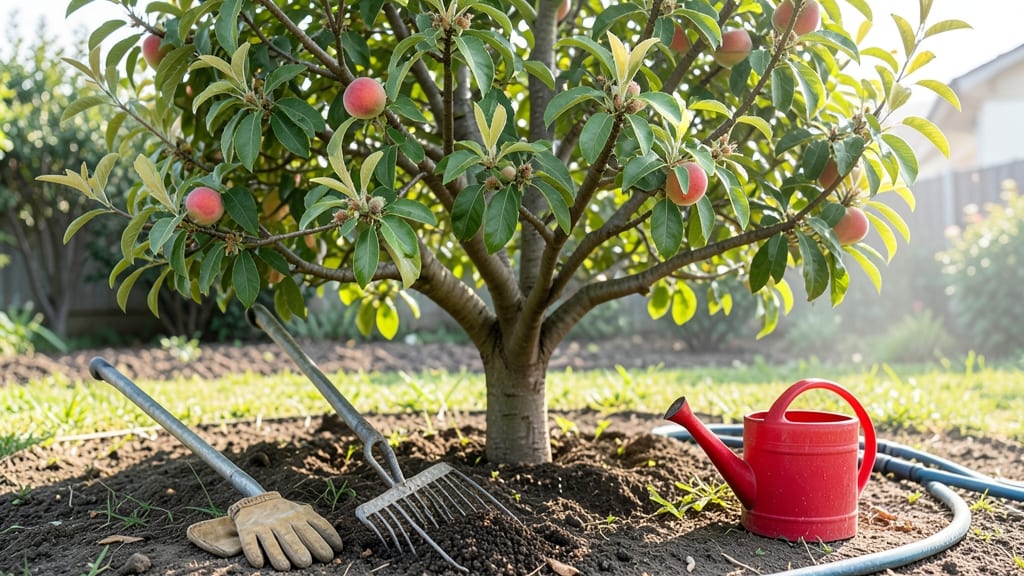
A peach tree fertilization schedule is the key to turning your backyard into a fruit-bearing paradise—because even the hardiest 🍑 trees need the right nutrients at the right time to produce those sweet, juicy rewards.
Picture this: You’ve spent months nurturing your peach tree, only to watch it put out leaves instead of fruit. Or worse, the branches heavy with blossoms drop off before they can turn into peaches.
The culprit? A fertilization routine that’s either too heavy-handed or completely off-schedule. Without the right timing, even the best soil can’t deliver the results you’re dreaming of.
Most gardeners focus on planting and pruning, but the real game-changer is feeding your tree the way nature intended—light applications in spring to kickstart growth, a mid-season boost to support fruit development, and zero fuss in fall and winter.
That’s how you avoid overloading the roots or encouraging late-season growth that won’t survive the cold.
In this guide, I’ll walk you through a season-by-season breakdown of when to fertilize, what to use, and how to spot the signs of over- or under-feeding.
By the end, you’ll know exactly how to keep your peach tree thriving—so next summer, you’re the one handing out fresh peaches to neighbors instead of buying them at the store.
Seasonal peach tree fertilization schedule by growth stage
Peach trees thrive when their fertilization schedule matches their natural growth cycles. Unlike annuals, these trees need a seasonal approach—feeding aggressively in spring, maintaining growth in summer, and resting in fall and winter.
The key is understanding when your tree needs nitrogen for leaves, phosphorus for roots, and potassium for fruit production. Without this timing, you risk over-fertilizing (which burns roots) or under-feeding (which stunts fruit development).
Young peach trees (under 3 years) focus on root and branch development, while mature trees prioritize fruit production. Your fertilization plan should shift accordingly—more nitrogen early on and a balanced NPK ratio (like 10-10-10) as the tree ages.
Regional climate also plays a role: In warmer zones (like Zone 8+), you might extend summer feedings, while colder zones (Zone 5) should pause earlier in fall.
Pro Tip: Always test your soil before fertilizing. Peach trees prefer a slightly acidic pH (6.0-6.5). If your soil is too alkaline (common in many regions), amend it with sulfur or peat moss before applying fertilizer. This ensures nutrients are available when the tree needs them most.
| Season | Growth Stage | Fertilizer Type | NPK Ratio | Application Time | Amount (per tree) |
|---|---|---|---|---|---|
| Spring (March-April) | Bud Break & Leaf Growth | Balanced or High-Nitrogen | 10-10-10 or 12-6-6 | Early morning, after blooming | ½ lb for young trees, 1 lb for mature |
| Summer (May-July) | Fruiting & Root Development | Balanced or Potassium-Rich | 6-10-10 or 5-10-10 | Every 6 weeks, avoid midday | ½ lb light feedings |
| Fall (August-October) | Dormancy Prep | None (or compost only) | — | — | — |
| Winter (November-February) | Dormant Period | None | — | — | — |
Spring fertilization kicks off the growing season. Apply a balanced fertilizer (like 10-10-10) 2-3 weeks after bud break to support new leaf growth. For young trees, split this into two applications: one at planting and another in early spring.
Mature trees benefit from a slow-release fertilizer in late winter to avoid nutrient spikes that can cause excessive leafy growth at the expense of fruit.
Summer feedings shift focus to fruit development. Use a fertilizer with higher phosphorus and potassium (like 6-10-10) to strengthen roots and improve fruit quality. Apply these every 6-8 weeks but reduce amounts by half to prevent late-season flushes that won’t harden off before winter.
Water deeply after each application to move nutrients into the soil.
Fall and winter are critical rest periods for peach trees. Fertilizing during these months can stimulate soft new growth that won’t survive frost, leaving your tree vulnerable to cold damage. Instead, focus on mulching with organic matter (like wood chips) to protect roots and improve soil structure over time.
Watch for signs of over-fertilization, like yellowing leaves, leaf curl, or excessive shoot growth with few flowers. If you see these, flush the soil with extra water and reduce future applications.
Under-fertilized trees may have small leaves, sparse foliage, or poor fruit set—both are fixable with adjusted timing and nutrient ratios.
Regional adjustments matter: In hot climates (Zones 8-10), extend summer feedings into early fall, but stop by October 1st to allow trees to harden off. In cooler zones (Zones 5-6), finish fertilizing by mid-August to avoid late-season stress. Always check your local frost dates and adjust accordingly.
For organic gardeners, compost tea, fish emulsion, or bone meal make excellent spring fertilizers. Synthetic options like Osmoote or Miracle-Gro Shake ’n Feed work well for balanced NPK ratios. Whichever you choose, follow label rates—peach trees are sensitive to salt buildup from over-fertilizing.
Remember: A well-fed peach tree rewards you with sweeter fruit, better yields, and stronger disease resistance. Stick to this seasonal schedule, and you’ll turn your backyard into a peach-producing
Best fertilizers for peach trees: organic vs. synthetic options
Choosing the right fertilizer for your peach tree can make the difference between sparse harvests and abundant, juicy fruit. Organic options like compost and manure build soil health over time, while synthetic fertilizers provide quick nutrient boosts. Each has unique benefits depending on your tree's needs and your gardening goals.
For young peach trees, I recommend starting with a balanced organic fertilizer like fish emulsion or composted cow manure. These options improve soil structure while delivering essential nitrogen (N), phosphorus (P), and potassium (K) in a slow-release format.
Mature trees with established root systems can handle synthetic options like 10-10-10 NPK blends for faster results during fruiting seasons.
Organic Fertilizers for Peach Trees
- Improves soil structure
- Slow-release nutrients
- Supports long-term health
- Reduces risk of over-fertilization
- Slower results
- Requires more frequent application
- May contain weeds/seeds
- Can be expensive
Synthetic Fertilizers for Peach Trees
- Fast nutrient delivery
- Precise NPK ratios
- Easy to measure
- Long shelf life
- Can burn roots if overapplied
- No soil improvement
- Environmental concerns
- Requires frequent reapplication
My favorite organic option is well-aged compost mixed into the soil at planting time. For established trees, I apply 2-3 inches of compost around the drip line in early spring.
Synthetic options like 6-10-10 NPK fertilizer work well during fruiting season when trees need that extra phosphorus boost for flower and fruit development.
For young trees, I recommend applying 1/2 pound of 10-10-10 fertilizer per inch of trunk diameter in early spring, then again in early summer. Mature trees need 1-2 pounds during their active growing months. Always water thoroughly after application to prevent root burn, especially with synthetic options.
Remember that peach trees are heavy feeders during their first 3-5 years. After that, they enter a more stable production phase where maintenance fertilization suffices. The key is monitoring your tree's response—healthy leaves and abundant blooms mean you're on the right track!
For container-grown peach trees, I use a slow-release organic fertilizer like osmocote mixed into the potting soil at planting. This provides steady nutrition without the risk of over-fertilization common with liquid feeds. Always choose fertilizers labeled for fruit trees to ensure proper micronutrient balance.