
Diseases
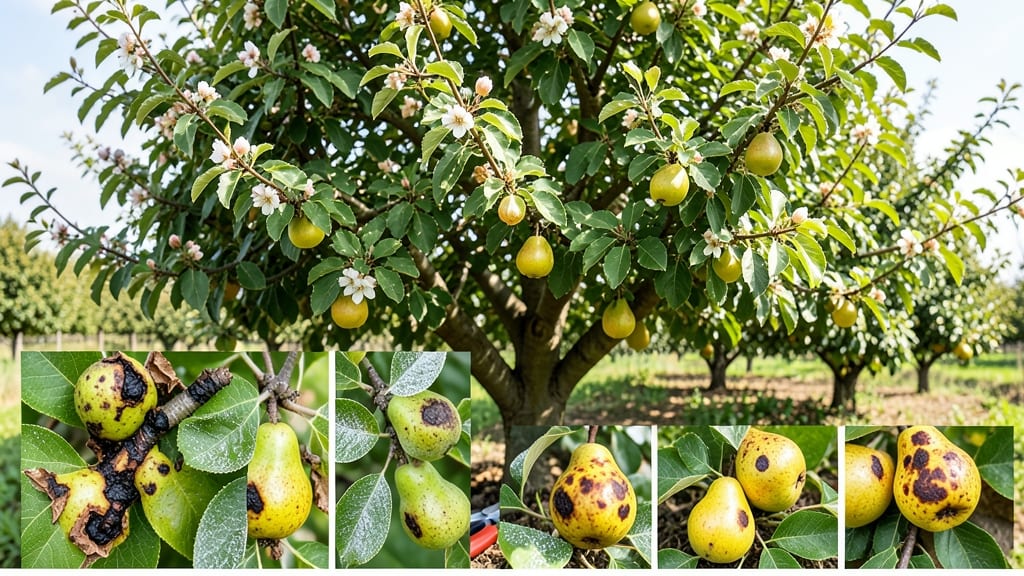
Spotting pictures of pear tree diseases early can save your harvest before they turn your lush branches into a sickly mess. 🌿 I’ve seen fire blight blacken fruit overnight, powdery mildew choke leaves, and canker girdle trunks—each with telltale signs that even beginners can catch.
This guide pairs real disease photos with simple descriptions so you’ll recognize trouble before it spreads.
Most of these problems start with wet conditions or weak spots where bacteria or fungi sneak in. Fire blight, for example, thrives after rain and spreads like wildfire (literally), while powdery mildew loves humid shade.
The good news? Catching them early means you can prune, spray, or adjust care before your tree’s health takes a nosedive.
By the end, you’ll know exactly what to look for—from oily black streaks on branches to white fuzzy coatings on leaves—and how to act fast. No more guessing whether that spot is just age or a disease waiting to ruin your crop. Let’s get those trees healthy again.
Works for home growers and orchard keepers alike, no matter your pear variety. Here’s how to spot, stop, and prevent the worst offenders before they take root.
Root Causes Behind Tree Ailments
Pear trees, like all fruit-bearing trees, are vulnerable to diseases due to a mix of biological, environmental, and human factors. Understanding why these issues arise is the first step to prevention and treatment. Below, we break down the key culprits behind pear tree diseases—from microscopic invaders to weather-related stressors.
Most pear tree diseases are caused by fungal or bacterial pathogens that exploit weaknesses in the tree’s defenses. These microbes thrive in specific conditions and can spread rapidly if left unchecked.
- Fungal spores (e.g., Venturia nashicola, which causes scab disease) survive in soil, infected plant debris, or even on tools. When moisture and warm temperatures align, spores germinate and infect leaves, fruit, or bark.
- Bacteria (e.g., Pseudomonas syringae, linked to bacterial spot) enter through wounds, lenticels, or natural openings. They multiply quickly in wet, humid conditions, leading to lesions and tissue decay.
- Viral infections (less common but devastating) spread via infected grafting material, sap-sucking insects, or contaminated pruning tools. Once inside, viruses disrupt the tree’s cellular functions, stunting growth or deforming fruit.
Why it happens: Pathogens don’t discriminate—they target stressed trees. Poor air circulation, overcrowded orchards, or weak immune systems (from nutrient deficiencies or drought) make pear trees easy prey.
Pear trees aren’t just fighting pathogens—they’re battling the elements. Certain weather patterns create the perfect storm for disease outbreaks.
| Condition | How It Fuels Disease | Example Diseases |
|---|---|---|
| Prolonged Rain or High Humidity | Fungal spores thrive in wet conditions. Water droplets splash spores onto leaves, while high humidity slows drying, keeping spores active longer. | Fire blight, powdery mildew, scab |
| Extreme Heat or Cold | Temperature shocks weaken the tree’s defenses. Heat stress opens stomata (leaf pores), making it easier for pathogens to enter. Freeze damage cracks bark, inviting bacterial infections. | Silver leaf disease, canker |
| Poor Drainage or Waterlogged Soil | Root rot fungi (Phytophthora) flourish in soggy soil, cutting off water and nutrient uptake. Weak roots can’t support the tree’s immune system. | Root rot, crown rot |
Actionable insight: If your region has consistently wet springs (like the Pacific Northwest), prioritize fungicide sprays before bud break. In drought-prone areas, mulch heavily to retain moisture and reduce stress.
Even the hardiest pear tree can fall victim to diseases caused by poor gardening practices. Here’s how humans accidentally create problems:
- Overhead Irrigation: Watering from above keeps foliage wet for hours, creating ideal conditions for fungal spores. Drip irrigation at the base of the tree is far safer.
- Improper Pruning: Cutting too late in the season (when wounds are slow to heal) or using unsterilized tools spreads pathogens. Prune in late winter and sanitize tools with 70% isopropyl alcohol.
- Ignoring Debris: Leaving fallen leaves or mummified fruit in the orchard over winter provides a food source and shelter for fungal spores. Rake and compost (or dispose of) infected material.
- Over-Fertilizing with Nitrogen: While nitrogen promotes leafy growth, it can weaken structural wood, making trees more susceptible to canker diseases. Balance NPK ratios (e.g., 10-10-10) for healthier wood.
Pro tip: 💡 If you’ve noticed blackened cankers on branches, it’s often a sign of Agrobacterium (crown gall). This bacterium enters through pruning wounds—always seal cuts with pruning sealant to block entry.
Some diseases don’t act alone—they hitch a ride with insects or other pests that damage the tree first. Here’s how it plays out:
- Sap-Sucking Insects (e.g., aphids, scale insects): These pests inject toxins into the tree while feeding, creating entry points for viruses and weakening the plant’s ability to fight off infections.
- Boring Insects (e.g., pear psylla, borers): Larvae tunnel into bark or wood, creating wounds that bacterial canker or silver leaf fungus can exploit.
- Birds or Mammals: Fruit-eating animals (like raccoons) can physically damage branches while foraging, leaving open wounds for pathogens.
Prevention tip: 🎯 Use reflective mulch or kaolin clay sprays to deter psylla. For borers, apply systemic insecticides in early spring before adult emergence.
By addressing these root causes—whether it’s pathogen pressure, environmental stress, or human oversight—you can dramatically reduce the risk of pear tree diseases. The key is proactive care: monitor weather patterns, maintain tree health, and act at the first sign of trouble.
Fixing Pear Tree Diseases Step-by-Step
Now that you’ve identified the problem, it’s time to act! Early intervention is key to saving your pear tree. Below are targeted solutions for common diseases, along with preventive measures to keep future issues at bay. Follow these steps to restore your tree’s health and prevent recurrence.
1. Fire Blight (Erwinia amylovora)
🔥 Prune Infected Branches Immediately
- Use sterilized pruning shears (wipe with rubbing alcohol between cuts).
- Cut 6–12 inches below the last visible sign of infection (blackened, oozing branches).
- Burn or dispose of infected branches do not compost—this spreads bacteria.
🍳 Apply Copper-Based Bactericide
- Spray copper fungicide (e.g., Bordeaux mixture or copper sulfate) every 7–10 days during bloom and after rain.
- Best time: Early morning or late evening to avoid leaf burn.
👨🍳 Strengthen Tree Resistance
- Water at the base (avoid overhead sprinkling to reduce bacterial spread).
- Fertilize with compost in early spring to boost immunity.
- Remove nearby infected trees/plants to prevent cross-contamination.
💡 Pro Tip: If fire blight hits young trees, prune aggressively—delaying can kill the tree entirely.
2. Powdery Mildew (Podosphaera spp.)
🌡️ Improve Air Circulation
- Thin out dense foliage to allow sunlight and airflow.
- Space trees properly (15–20 feet apart for pears) to reduce humidity buildup.
✨ Fungicide Sprays (Organic & Chemical Options)
- Neem oil or sulfur spray (apply every 7–14 days during growing season).
- Potassium bicarbonate spray (1 tbsp per gallon of water + a drop of dish soap as a sticker).
- Conventional fungicides (e.g., myclobutanil) for severe cases.
🎯 Preventive Care
- Water early in the day so leaves dry quickly.
- Avoid nitrogen-heavy fertilizers (they encourage soft, mildew-prone growth).
- Plant mildew-resistant varieties like ‘Moonglow’ or ‘Seckel’ pears if reinfection is a risk.
3. Root & Crown Rot (Phytophthora, Armillaria)
🔪 Remove Infected Soil & Roots
- Dig out infected roots (they’ll appear dark, mushy, or honeycombed).
- Solarize the soil (cover with clear plastic for 4–6 weeks in summer to kill pathogens).
🌱 Revitalize the Tree & Soil
- Replace contaminated soil with fresh, well-draining compost.
- Install a French drain if waterlogging is the issue.
- Apply mycorrhizal fungi to promote healthy root growth.
⏰ Long-Term Monitoring
- Mulch properly (2–3 inches of organic mulch, keep away from the trunk).
- Avoid overwatering—test soil moisture with a trowel before watering.
4.
Pear Scab (Venturia pirina) 🍎 Fungicide Schedule (Critical for Prevention!) - Start sprays in early spring (before buds swell) and repeat every 10–14 days until harvest. - Use captan, chlorothalonil, or copper fungicides (rotate types to prevent resistance). - Clean up fallen leaves (they harbor spores)—bag and remove from the yard.
🌿 Cultural Controls
- Plant in full sun (scab thrives in damp, shady conditions).
- Prune for airflow—remove crossing branches and suckers.
- Choose resistant varieties like ‘Kieffer’ or ‘Bartlett’ if scab is recurrent.
5. Bacterial Canker (Pseudomonas syringae)
🔪 Surgical Pruning (Last Resort for Severe Cases)
- Cut out cankers completely, extending 4–6 inches into healthy wood.
- Paint wounds with pruning sealant (e.g., tree wound paint) to prevent re-entry.
🚿 Sanitize Tools & Surroundings
- Sterilize pruners between cuts with bleach or alcohol.
- Remove and destroy infected branches do not chip or burn on-site.
🌡️ Boost Tree Vitality
- Water deeply but infrequently (avoid wetting foliage).
- Avoid stress—don’t over-fertilize or plant in low-lying areas where frost collects.
- Inspect trees weekly during growing season—catch problems early!
- Avoid wounding bark (use proper pruning techniques).
- Rotate fungicides if using chemical treatments.
- Test soil pH (pears prefer 6.0–7.0; adjust with lime or sulfur if needed).
- Plant disease-resistant varieties when possible.
Remember: Patience is key—some diseases take multiple seasons to fully resolve. With consistent care, your pear tree can bounce back stronger than ever! 🌳💪
Frequently asked questions about pear tree diseases
How can I tell the difference between fungal and bacterial diseases on my pear tree?
Fungal diseases often show up as powdery coatings (like powdery mildew) or oily spots (like scab), while bacterial infections create watery, oozing lesions that turn black or brown. Fungal spots usually have a fuzzy texture, while bacterial damage often appears as ragged, sunken cankers on branches. Check for wet conditions—fungi thrive in humidity, while bacteria spread faster in warm, rainy weather.
Can I save my pear tree if it already has fire blight?
Yes, but you must act fast! Prune infected branches 6–12 inches below the blackened areas using sterilized tools, then apply copper fungicide every 7–10 days. Remove all infected debris immediately—never compost it. Young trees may recover fully, but severe cases could require repeated treatments over multiple seasons to fully eliminate the bacteria.
Why does my pear tree keep getting powdery mildew even after I spray?
Mildew often returns if humidity stays high or airflow is poor. Thin out dense foliage, water early in the day (not overhead), and avoid nitrogen-heavy fertilizers that encourage soft growth. Rotate fungicides (like neem oil and sulfur) to prevent resistance—some strains develop immunity to single treatments. Also check for nearby infected plants spreading spores.
Is it safe to eat fruit from a tree with minor leaf spots?
It depends! If the spots are fungal (like scab), the fruit may still be safe to eat after washing, but quality suffers. Bacterial diseases (like fire blight) can make fruit rotten or toxic—remove infected fruit immediately. For peace of mind, harvest early and inspect for surface cracks or oozing. When in doubt, compost or discard heavily affected fruit rather than risk illness.
How do I know if my pear tree’s problems are from disease or pests?
Diseases usually cause spots, lesions, or mold on leaves/fruit, while pests leave holes, chewed edges, or sticky sap (like aphid honeydew). Check the undersides of leaves for tiny insects or webs. Diseases spread more slowly unless conditions are perfect (like rain), while pests multiply rapidly. If you see black sooty mold on leaves, it’s often a sign of sap-sucking insects feeding nearby.