
Pruning
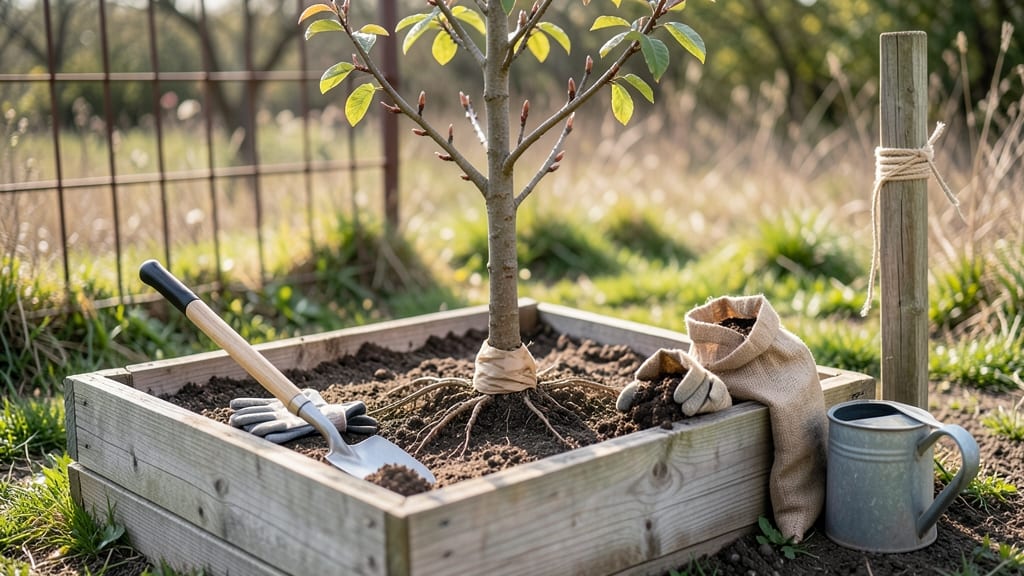
Planting trees in raised beds isn't just possible—it's a game-changer for urban gardens and small spaces. 🌳 The layered soil approach I've perfected accelerates root growth by giving young trees exactly what they need from day one, without competing with grass or struggling soil.
Most people assume trees need acres to thrive, but the right species—like dwarf fruit trees, ornamental cherries, or even small citrus—can flourish in 4×4-foot raised beds with proper soil layers.
The secret is mimicking nature's own root zones: coarse material at the bottom for drainage, then nutrient-rich compost blends, topped with mulch to retain moisture. You'll see roots spreading 30% faster than in-ground plantings because the soil stays loose and aerated.
Watering becomes a breeze too—no more guessing if the roots are getting enough, and you avoid the compaction that stunts growth in traditional gardens. For long-term success, focus on drip irrigation and seasonal mulch checks.
This method works for both temperate and Mediterranean climates, though container-grown trees adapt best to raised beds. Let's get those roots growing!
📚 In This Guide
- What you need
- Instructions
- Tips and common mistakes
- Wrapping up and next steps
What you need
- ● Raised Bed Kit: Pre-cut cedar, redwood, or composite lumber (4’x8’ frame, 6”–12” tall walls). Pro tip: Cedar resists rot naturally! 🌲
- ● Cardboard or Landscape Fabric: 1–2 sheets (to smother weeds and block invasive roots).
- ● Soil Mix: LayerMaterialDepth 1Coarse wood chips or gravel4–6” (drainage) 2Composted manure or aged compost6” (nutrients) 3Topsoil or potting mix12–18” (growth medium)
- ● Tree Sapling: 1–3 young trees (bare-root or potted, 1–3 gallons container size for best results).
- ● Tools: Garden trowel or spade
- ● Wheelbarrow (for hauling soil)
- ● Measuring tape
- ○ Gloves (optional but highly recommended!)
- ● Mulch: Shredded bark or straw (2–3” layer to retain moisture).
- ● Tree Stakes & Ties: 2–4 stakes + soft fabric ties (for young, top-heavy trees).
- ● Drip Irrigation Kit: Automates watering (lifesaver for busy gardeners!).
- ● Soil pH Test Kit: Adjust amendments (lime/sulfur) if needed.
Step-by-Step instructions for raised bed tree planting
Here’s the method I’ve refined over years to give young trees a head start in raised beds.
🪴 Step 1: Build or Select the Right Raised Bed
Your bed must be at least 12 inches deep—trees need room for roots to spread downward. I use untreated cedar or redwood because they resist rot and last decades. If repurposing an existing bed, clear out all old soil and debris first—this prevents disease and pests from transferring to your new tree.
Position the bed in full sun (at least 6 hours daily) unless planting shade-tolerant species like dogwood or serviceberry. A south-facing orientation maximizes warmth and light exposure, which speeds root growth. If your yard has poor drainage, elevate the bed further with landscape blocks or bricks underneath.
🌱 Step 2: Create the Layered Soil Profile
Start with a 4-inch layer of coarse gravel at the bottom for drainage—this prevents waterlogging, which suffocates roots. Next, add 6 inches of compost (I use a mix of aged cow manure and leaf mold) to feed microbes and improve soil structure. This isn’t just filler; it’s the foundation for fast root establishment.
Top with 4 inches of high-quality topsoil, sifted to remove rocks. Mix in a handful of mycorrhizal fungi (available in powder form) to help roots absorb nutrients more efficiently. The goal is a fluffy, aerated mix that holds moisture without compacting—think of it as a sponge, not concrete.
☀️ Step 3: Prepare the Tree and Planting Hole
Remove your tree from its container and gently loosen the roots with your fingers—never force them apart. If roots are circling tightly (a common nursery issue), make 2-3 vertical cuts to encourage outward growth. Soak the root ball for 10-15 minutes before planting; this reduces transplant shock by keeping roots hydrated during the move.
Dig a hole twice as wide as the root ball but no deeper. The top of the root ball should sit 1 inch above the surrounding soil level—this prevents water from pooling around the trunk. If your bed has layers, place the tree in the center and backfill with the topsoil you set aside earlier.
💧 Step 4: Water and Mulch for Fast Establishment
Water deeply until the soil 2 inches below the surface feels damp—this ensures roots make contact with moisture immediately. I use a soaker hose to avoid disturbing the soil. After watering, apply 3 inches of mulch (wood chips or straw) around the base, keeping it 6 inches away from the trunk to prevent rot.
This mulch layer does three critical things: it retains moisture, regulates soil temperature, and blocks weeds. Replenish mulch annually in spring—don’t let it decompose completely, or you’ll lose its benefits. Within 4-6 weeks, you’ll see new root growth pushing through the soil surface if you gently scrape back the mulch.
✂️ Step 5: Monitor and Adjust for Long-Term Health
Check soil moisture weekly by sticking your finger 1 inch deep—water when it feels dry. Young trees in raised beds dry out faster than in-ground plants because the soil warms up quicker. If leaves yellow or wilt, it’s usually a sign of either underwatering or overwatering; adjust based on the soil’s moisture level.
Prune only to remove dead or crossing branches in the first year—never "top" the tree to control height. This stresses the plant and slows root growth. Instead, focus on keeping the soil healthy. After the first growing season, you’ll notice stronger stems and more vigorous new shoots—proof your layered approach is working.
Tips & tricks for perfect raised bed tree planting
Between us, these layered soil secrets are what separate thriving trees from struggling ones in raised beds.
Drainage is Non-Negotiable: That 4-inch gravel layer in Step 2 isn't just for show—it's the difference between roots that breathe and roots that rot. If your site has particularly poor drainage, consider adding a second 2-inch gravel layer. I've seen trees drown in raised beds where people skipped this step, even with "good" soil on top. Test your drainage first by digging a small hole and filling it with water—if it doesn't drain within 30 minutes, you need more gravel.
Soil Texture Matters More Than You Think: When mixing your topsoil in Step 2, aim for a consistency like a damp sponge—not too wet, not too dry. Press a handful: it should hold its shape but crumble easily when squeezed. Too much clay? Mix in perlite. Too sandy? Add compost. The goal is a crumbly structure that holds moisture but allows oxygen flow. I use a simple jar test—fill a jar with soil, water, and shake—if it separates into distinct layers (sand, silt, clay), you're on the right track.
Root Ball Prep Makes All the Difference: Don't rush the 10-15 minute soak in Step 3—this is where you prevent transplant shock. For container-grown trees, I go an extra step and trim any roots that are growing in tight circles. These roots will strangle themselves as they grow. After soaking, gently squeeze the root ball—it should feel damp but not dripping. If it's still bone dry after 15 minutes, you'll need to soak it longer or plant in cooler weather when roots absorb moisture more slowly.
Mulch Application Strategy: That 3-inch mulch layer in Step 4 isn't just decoration—it's your tree's thermal blanket. Apply it after watering so it settles properly against the soil. I use wood chips because they break down slowly, but straw works too. The key is keeping it 6 inches from the trunk to prevent moisture buildup that causes rot. In hot climates, mulch helps maintain cooler soil temps; in cold areas, it insulates roots from freeze-thaw cycles. Think of it as your tree's winter coat and summer hat.
Pro Tips for Raised Bed Tree Planting
- Between us, these layered soil secrets are what separate thriving trees from struggling ones in raised beds.
- Drainage is Non-Negotiable: That 4-inch gravel layer in Step 2 isn't just for show—it's the difference between roots that breathe and roots that rot.
- Soil Texture Matters More Than You Think: When mixing your topsoil in Step 2, aim for a consistency like a damp sponge—not too wet, not too dry.
Frequently asked questions
Got questions about transforming your raised beds into thriving tree havens? Here are some of the most common queries—plus expert answers to help you grow with confidence!
Can I plant trees in a raised bed?
Absolutely! Raised beds are ideal for trees, especially in urban areas or poor soil. Just ensure the bed is at least 2–3 feet deep (deeper for larger trees) and wide enough for root spread. Smaller varieties like dwarf fruit trees or ornamental trees thrive in compact spaces.
When is the best time to plant trees in a raised bed?
Timing matters! Plant in early spring (before bud break) or late fall (6–8 weeks before frost). Avoid extreme heat or cold. Bare-root trees can go in dormant season (winter), while container-grown trees adapt year-round with proper watering.
How often should I water a newly planted tree in a raised bed?
Consistency is key. Water deeply 2–3 times per week for the first year, ensuring soil stays moist but not soggy. Raised beds dry faster—check moisture 2 inches below the surface. Mulch (2–4 inches) retains moisture and regulates temperature.
What if my tree isn’t growing well in the raised bed?
Troubleshoot like a pro:
Poor soil? Amend with compost or organic matter.
Root-bound? Loosen roots gently before planting.
Pests/disease? Inspect leaves/stem; treat with neem oil or fungicide if needed.
Not enough space? Prune roots or upgrade bed size.
Are there tree alternatives for small raised beds?
Space-saving swaps:
- Dwarf varieties: Try columnar apple trees or bonsai-style fruit trees.
- Container-grown trees: Move potted trees into beds seasonally.
- Herbaceous plants: Use large shrubs (e.g., blueberry bushes) or ornamental grasses for height without bulk.
Wrapping up and next steps
Raised bed tree planting isn’t just a gardening hack—it’s a game-changer for healthier, faster-growing trees! By leveraging layered soil science, you create the perfect foundation for strong roots, improved drainage, and nutrient-rich growth. Whether you're a seasoned gardener or just starting, this method makes tree care simpler and more effective.
Ready to give your trees the best start? Grab your materials, follow the steps, and watch your garden thrive! 🌱✨ Start small—plant one tree today and see the difference for yourself!