
Trees
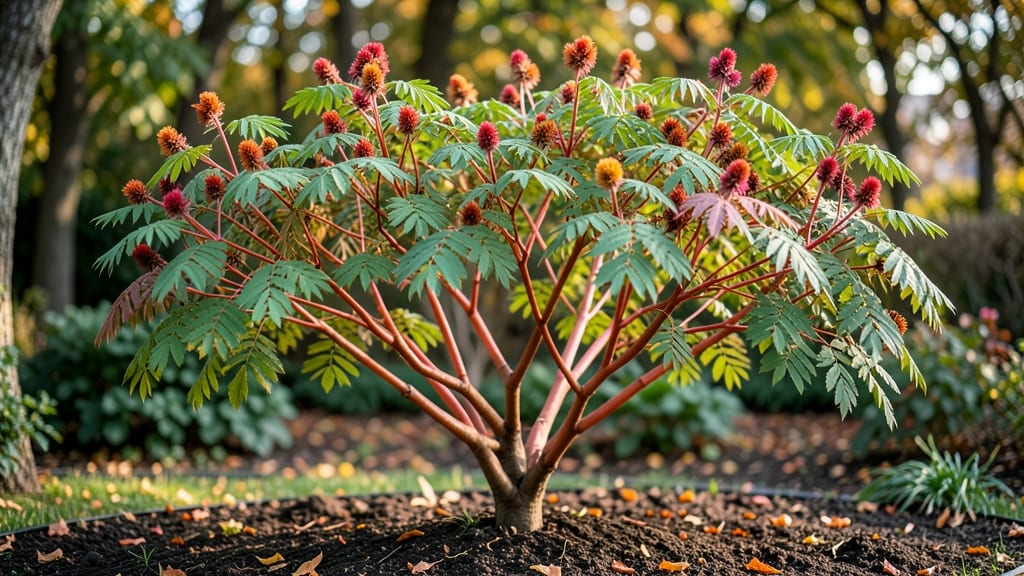
Rhus tree leaves might seem like a gardening puzzle—some call them toxic, others a secret weapon for your ecosystem. 🌿 I’ve seen them turn a struggling yard into a thriving wildlife haven, but only when you know what to watch for.
The key isn’t avoiding them entirely; it’s learning to spot the red flags early, whether it’s yellowing, curling, or those telltale brown spots that scream "problem." Those leaves can be a treasure if you recognize the difference between harmless seasonal changes and real trouble.
A few discolored leaves might just mean summer heat, but a full branch of crispy, spotted foliage? That’s your cue to act—whether it’s pruning, treating pests, or adjusting care. The goal isn’t fear; it’s turning potential disasters into opportunities for a healthier tree and garden.
📚 In This Guide
- What you need
- Instructions
- Tips and common mistakes
- Wrapping up and next steps
What you need
- ● Fresh or dried rhus tree leaves – Collect at least 10-15 leaves (or more for testing/processing). Ensure they’re from a non-toxic variety like Rhus typhina (staghorn sumac) if using for edible or decorative purposes.
- ● Gloves – Nitrile or latex (toxic varieties like poison oak/sumac require protection).
- ● Pruning shears or sharp scissors – For harvesting leaves safely from branches.
- ● Clear plastic bags or breathable fabric sacks – To store leaves temporarily (avoid sealing if drying is the goal).
- ● Labeling tags & permanent marker – To identify leaf samples by date/location.
- ● Hand lens or magnifying glass – For closely inspecting leaf structure (e.g., hairy undersides = potential irritant).
- ● Digital scale – To measure leaf weight for experiments or composting ratios.
- ● Spray bottle with water – For rehydrating dried leaves if needed.
- ● Reference guidebook – Like “Native Trees of the Southeastern United States” to confirm species.
- ● First-aid kit – Include calamine lotion or hydrocortisone cream if working with toxic rhus varieties.
How to safely use rhus tree leaves in your garden ecosystem
Turn those often-overlooked leaves into a natural asset—here's how to use them responsibly.
🌿 Step 1: Identify the Right Rhus Species
Not all rhus trees are created equal. The most common types—sumac (Rhus typhina and Rhus glabra)—produce leaves that are safe for garden use when handled properly. Avoid poison sumac (Toxicodendron vernix), which has glossy leaves with pointed lobes and grows in swamps. Gather leaves from healthy, mature trees away from roads or pesticides.
Here's the thing—sumac leaves are edible when cooked (like in pesto) but can irritate skin if handled raw. Always wear gloves when collecting fallen leaves. I like to work with dried leaves for mulch and compost because they're easier to handle and less likely to cause irritation.
🪴 Step 2: Prepare Leaves for Garden Use
For mulch or compost, rake up clean, fallen leaves in dry conditions (wet leaves mold quickly). Shred them with a lawn mower or sharp scissors to speed decomposition. If you're making leaf mold (a nutrient-rich soil conditioner), pile the leaves in a 3x3-foot square and keep them moist but not soggy for 6-12 months.
For instant mulch, spread 2-3 inches of whole or shredded leaves around shrubs and perennials. They'll break down slowly, retaining moisture and suppressing weeds. I avoid piling leaves directly against tree trunks—keep them 6 inches away to prevent rot.
☀️ Step 3: Use Leaves as Natural Fertilizer
Sumac leaves are rich in potassium, making them ideal for feeding plants like tomatoes, peppers, and roses. Dry them first by spreading on a screen in sunny, shaded conditions for 1-2 weeks. Once brittle, crumble into a fine powder and sprinkle ½ cup per plant around the base, then water deeply.
This is the moment that matters: avoid using fresh leaves directly on plants—they'll mat down and trap moisture, inviting fungal diseases. Instead, compost them first or use them as a top layer in raised beds where they'll decompose gradually.
⏰ Step 4: Monitor for Pests and Allergies
While sumac leaves are generally safe, some gardeners report skin irritation when handling large quantities. If you notice redness or itching, wash your hands thoroughly with soap and water. Keep an eye out for pests—sumac leaves can attract aphids if overused, so balance them with other organic matter.
Don't overdo it. A 20-30% leaf content in compost or mulch is plenty. Too many leaves create a nitrogen-poor mix that slows decomposition. I mix sumac leaves with equal parts grass clippings or manure to keep the pile balanced and active.
💧 Step 5: Integrate Leaves Seasonally
In early spring, use shredded leaves to smother weeds in garden beds. In late fall, layer them over perennials to protect roots from freezing. I also save dried leaves for winter mulch around tender plants like hydrangeas—they insulate roots while breaking down slowly.
Real talk: If your leaves start to smell sour or attract fruit flies, they're too wet. Fluff the pile and let it dry out for a few days. Properly managed, sumac leaves become one of the most underrated resources in your garden toolkit.
Tips & tricks for maximizing rhus tree leaf benefits
These simple strategies will help you transform sumac leaves into a garden powerhouse without the guesswork.
Species Verification: When identifying sumac trees, focus on leaf shape and growth habitat. Rhus typhina has fuzzy stems and bright red berries, while Rhus glabra grows in drier areas with smoother stems. Cross-reference with local plant guides to avoid poison sumac—its leaves have smooth edges and grow in wet, swampy areas. I always double-check by looking at both the leaves and the tree's overall appearance before collecting.
Drying Technique: For fertilizer powder, drying time varies by climate. In humid areas, spread leaves in a single layer under a carport or covered porch to allow airflow while protecting from direct rain. In drier climates, a sunny window sill works perfectly. Test for dryness by crumbling a leaf—it should shatter easily. This method preserves the potassium content while making them easier to handle and store for up to a year.
Compost Layering: When building leaf mold piles, alternate layers of sumac leaves with nitrogen-rich materials like grass clippings or coffee grounds. I use a 3:1 ratio of leaves to greens to maintain balance. The key is to keep the pile moist but not soggy—think of it like a damp sponge. This prevents anaerobic conditions that create foul odors and attracts pests. A well-layered pile will heat up slightly as it decomposes, indicating active microbial activity.
Seasonal Application: For winter mulch, combine dried sumac leaves with straw for extra insulation. I spread about 4-6 inches over tender perennials and cover with landscape fabric to prevent compaction from snow. This double-layer system creates an air pocket that protects roots from freezing while allowing moisture to penetrate. In spring, I remove the fabric but leave the leaves in place—they'll break down slowly, adding nutrients to the soil as they decompose.
Pro Tips for Rhus Tree Leaves
- These simple strategies will help you transform sumac leaves into a garden powerhouse without the guesswork.
- Species Verification: When identifying sumac trees, focus on leaf shape and growth habitat.
- Drying Technique: For fertilizer powder, drying time varies by climate.
Frequently asked questions
Got questions about rhus tree leaves?
You’re not alone! Whether you’re curious about their safety, uses, or how to manage them, we’ve got answers. Here are some of the most common queries—and their straightforward solutions.
Are rhus tree leaves poisonous to pets or humans?
Yes, rhus tree leaves (especially from Toxicodendron species like poison ivy or poison oak) contain urushiol, a skin irritant. Direct contact can cause rashes in pets and people. Always wear gloves when handling them, and wash your skin thoroughly afterward.
When is the best time to harvest rhus tree leaves for dyeing or crafts?
The ideal time is late spring to early summer, when leaves are fully mature but haven’t started browning. Avoid harvesting after rain, as moisture can degrade the tannins used for dyeing. Early morning picks yield the freshest leaves!
What can I use instead of rhus leaves for natural dyes or mulch?
For dyes, try black walnut hulls (browns), avocado pits (olive tones), or marigold petals (yellows). As mulch, consider oak or maple leaves—they’re safer and just as effective at suppressing weeds.
Why are my rhus tree leaves turning brown or crispy?
Brown, crispy leaves often signal drought stress, pests (like spider mites), or disease (e.g., leaf spot). Water deeply 1–2 times weekly in dry spells, and inspect undersides for pests. Prune affected branches to improve airflow.
Can rhus tree leaves be composted safely?
Only if you’re 100% sure they’re from a non-toxic rhus species (like Rhus typhina, staghorn sumac). Toxic varieties should go in the trash or burned (with precautions). For safe composting, shred leaves first to speed decomposition.
Wrapping up and next steps
Rhus tree leaves may seem like a double-edged sword—toxic to pets and livestock but invaluable for your garden’s health. When used wisely, they can boost soil fertility, deter pests, and even create natural mulch. Start small: test a patch of soil, monitor your plants, and gradually incorporate them into your gardening routine.
Your garden ecosystem thrives when you balance caution with creativity—so why not give rhus leaves a try? Explore more organic gardening tips and turn those leaves into a treasure for your green space! 🌱✨