
Pruning
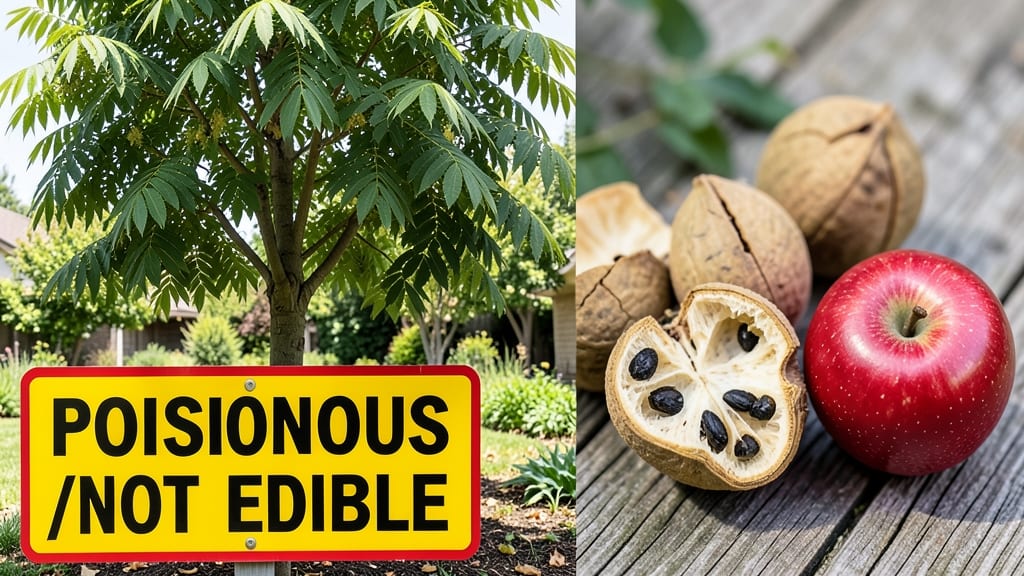
Tree of Heaven fruit is not edible and contains toxic compounds like ailanthone, which can cause severe nausea, vomiting, or liver damage if ingested. Avoid consuming any part of the plant, including seeds and leaves, and seek medical help immediately if accidental poisoning occurs.
This invasive tree produces small, red berries that look tempting but pack a dangerous punch. 🌳 The fruit contains ailanthone, a compound linked to liver toxicity and digestive distress, and even small amounts can trigger symptoms within hours.
Unlike some toxic plants with bitter flavors, Tree of Heaven berries have a mildly sweet taste that can fool curious children or foragers unfamiliar with the species.
Identifying the tree is key—its compound leaves with leaflets arranged in pairs and a strong, unpleasant odor when crushed help distinguish it from safe alternatives. If ingestion occurs, don't wait for symptoms to appear; call the Poison Control Center (1-800-222-1222) immediately, as prompt treatment can prevent serious complications.
💡 In This Article
- Toxic Compounds in Tree of Heaven Fruit
- First Aid for Tree of Heaven Poisoning
Toxic compounds in Tree of Heaven fruit
The Tree of Heaven (Ailanthus altissima) fruit contains ailanthone, a potent phorbol ester that disrupts cellular processes in the human body. This compound mimics natural signaling molecules, tricking cells into overproducing inflammatory responses.
Studies show ailanthone can cause liver toxicity by inducing oxidative stress, where free radicals damage cellular structures. Unlike edible fruits with toxins like cyanide (found in cherries), which require enzymatic activation, ailanthone works immediately upon ingestion, making its effects more rapid and unpredictable.
Research published in the Journal of Ethnopharmacology identified ailanthoidol as another key toxin, which acts as a neurotoxin by interfering with calcium channels in nerve cells. This explains symptoms like dizziness and muscle weakness seen in poisoning cases.
The fruit's seeds contain even higher concentrations of these compounds—up to 50% more ailanthone than the flesh—making them particularly dangerous. For comparison, black walnut's juglone toxin requires direct contact with plant tissues, while Tree of Heaven's toxins are absorbed through ingestion alone.
What makes this plant especially insidious is its mildly sweet berry flavor, which can mask the danger. Unlike bitter-tasting toxic plants (e.g., oleander), Tree of Heaven berries have a fruity aroma that may attract children or foragers unfamiliar with the species.
The plant's rapid growth and invasive nature—it can spread 10-15 feet per year—further increases exposure risks. This chemical cocktail explains why even small amounts (as few as 5-10 berries) can trigger symptoms within 1-4 hours of ingestion.
The liver bears the brunt of Tree of Heaven toxicity due to its role in metabolizing foreign compounds. Ailanthone's mechanism involves inhibiting protein synthesis in liver cells, leading to cell death (necrosis) in severe cases. This differs from toxins like ricin, which directly damage ribosomal RNA.
The plant's alkaloids further complicate matters by acting as central nervous system depressants, potentially causing respiratory distress in extreme poisonings. Understanding these pathways helps explain why symptoms progress from gastrointestinal distress to potentially life-threatening organ damage.
Comparing Tree of Heaven to other toxic plants reveals critical differences: While poison ivy requires skin contact and yew berries contain taxine alkaloids that affect the heart**, Tree of Heaven's toxins target multiple organ systems simultaneously.
This multi-system impact makes early medical intervention even more critical. The plant's ability to thrive in urban environments—alongside sidewalks and in cracks in pavement—only amplifies the risk of accidental ingestion by pets or curious humans.