
Pruning
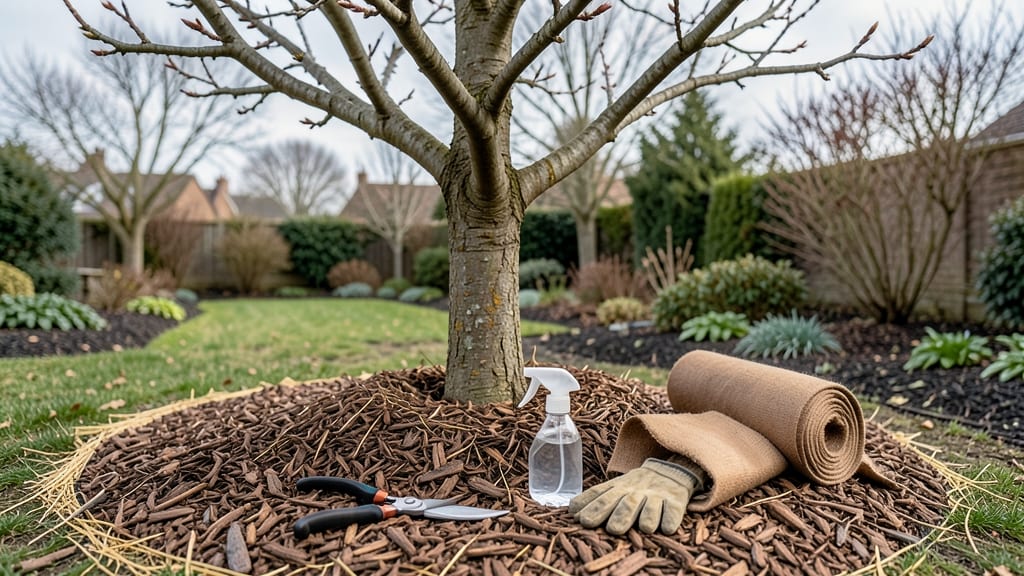
Your winter tree care tips aren’t just about survival—they’re about setting your trees up for next year’s growth, and a few smart moves now can mean the difference between a thriving canopy and frost-damaged branches. 🌳 I’ve watched my own maples and oaks bounce back from winter with these simple, science-backed steps that protect both roots and bark.
The biggest mistake? Assuming winter means "hands-off" care. Your trees still need 3-4 inches of water every 2-3 weeks (yes, even in cold months), and mulch that’s 3-4 inches deep but pulled back from the trunk to prevent rot.
Pruning? Only remove dead or broken branches—never shape them in winter, or you’ll invite disease when sap flows in spring.
What you’ll end up with is trees that greet spring with stronger roots, fewer broken limbs, and fewer pest problems. The bark stays intact, the roots stay hydrated, and you avoid the heartbreak of split trunks or sun-scalded branches that plague careless gardeners.
Works for any climate—just adjust watering frequency (more in mild winters, less in deep freezes) and mulch thickness (thicker in colder zones). Here’s how to do it right without overcomplicating things.
📚 In This Guide
- What you need
- Instructions
- Tips and common mistakes
- Wrapping up and next steps
What you need
- ● Pruning shears or loppers: Sharp, clean tools (bypass pruners for small branches, loppers for thicker limbs). Quantity: 1-2 pairs.
- ● Hand saw: Pruning saw with a curved blade for larger branches. Specs: 7-10 inches long.
- ● Gloves: Heavy-duty, cut-resistant gloves to protect hands while pruning.
- ● Tree wrap or frost cloth: Breathable fabric to protect young trees from sun scald and frost cracks. Size: Enough to wrap the trunk (adjustable or 3-6 ft rolls).
- ● Mulch: Organic mulch (pine straw, wood chips, or shredded bark). Quantity: 2-4 inches deep, spread in a 2-3 ft radius around the base.
- ● Watering can or hose: For deep watering before the ground freezes.
- ● Disinfectant: 70% isopropyl alcohol or a commercial pruning sealant to sterilize tools.
- ● Tree spray or anti-desiccant: Protects leaves/branches from drying out (e.g., horticultural oil or wax).
- ● Reflective tree guards: For young trees to deter animals and reduce sun exposure.
- ● Soil moisture meter: Ensures roots stay hydrated before winter dormancy.
- ● Stakes and ties: If your tree needs temporary support after pruning.
- ● Leaf blower or rake: Clears debris from the base to prevent rot.
Step-by-Step winter tree care to prevent frost damage
Here’s how I protect my mature trees through winter—without overcomplicating it.
🌿 Step 1: Inspect and Prune Damaged Branches Before Frost
Start by examining each tree for dead, broken, or diseased branches. Use sharp pruning shears to remove any limbs that are thinner than a pencil or show signs of disease like oozing sap or fungal growth. Prune during dry, mild days—never in freezing conditions, as cold sap slows healing and invites infection.
Make clean cuts just outside the branch collar (the swollen area where the branch meets the trunk). Avoid leaving stubs—these trap moisture and rot. If you’re unsure, take a photo first. I’ve learned the hard way that aggressive pruning late in winter stresses trees more than they can handle.
🪴 Step 2: Mulch the Root Zone to Regulate Soil Temperature
Apply 3-4 inches of organic mulch (like wood chips or shredded bark) around the tree’s drip line—the area directly below the outermost branches. Keep mulch 6 inches away from the trunk to prevent moisture buildup that causes rot. This layer acts like a blanket, insulating roots from sharp temperature swings that cause frost heave.
Spread mulch evenly, avoiding piles that can attract pests. For young trees, mound it slightly higher on the north and west sides, where cold winds and frost hit hardest. I always check for buried roots—mulch should never smother them.
☀️ Step 3: Protect Trunks from Sun Scald and Animal Damage
Wrap tree trunks with tree guard or burlap if you have young trees or species prone to sun scald (like maples or cherries). This prevents the bark from heating up during sunny days and then cracking when nights freeze. Secure the wrap loosely—too tight, and it girdles the tree.
Add tree collars or plastic guards around trunks to deter rodents and rabbits from chewing bark. I’ve seen deer rub against trees in winter, stripping bark—so if you’re in a wooded area, consider a wire cage for vulnerable species. Check wraps monthly to ensure they’re still intact.
💧 Step 4: Water Deeply Before the Ground Freezes
Give trees a deep watering in late fall—10-15 gallons per inch of trunk diameter—to replenish moisture lost over summer. This helps roots withstand dry winter winds and prevents them from heaving out of frozen soil. Water in the late afternoon so excess moisture evaporates overnight.
Stop watering once the ground freezes—wet soil becomes a conductive path for cold, damaging roots. I test by pushing a screwdriver into the soil: if it won’t go past 2 inches, it’s time to stop. Overwatering now can lead to root rot before spring.
⏰ Step 5: Monitor for Ice and Snow Buildup
After heavy snow or ice, gently brush accumulation off branches with a soft broom to prevent breakage. Never use metal tools—scraping can damage bark. Focus on large limbs first, as ice adds 20-30 pounds of weight per square foot, snapping branches under the strain.
For evergreens, shake snow off gradually to avoid shocking the tree. If branches are already bent, don’t force them upright—this can tear the wood. Instead, prop them with stakes and let them thaw naturally. I’ve seen entire limbs snap from a single heavy snowfall.
Tips & tricks for protecting trees in winter
Winter care isn't just about survival—it's about setting your trees up for a stronger spring. Here's what I've learned after years of trial and error with my own landscape.
Pruning Precision: When you're inspecting branches in Step 1, look for the classic "three-cut" method to avoid bark tearing. Make your first cut about 6 inches out from the branch collar, then cut down to just above the branch collar from below. This creates a clean break that heals properly. I've seen too many trees develop cankers from improper pruning cuts that leave jagged edges.
Mulch Application Strategy: For Step 2, consider using a mulch volcano—yes, it's a real thing! Pile mulch higher on the north and west sides of young trees (up to 6 inches) to create a windbreak. The key is to keep it loose and fluffy—packed mulch can suffocate roots. I've measured soil temperatures under mulch blankets in winter, and a properly layered 3-4 inch depth can keep roots 10°F warmer than exposed soil.
Trunk Protection Insights: In Step 3, if you're using burlap wraps, make sure they're breathable—non-woven landscape fabric works better than plastic. The goal is to allow some air circulation while protecting from sun scald. I've noticed that trees with tight wraps often develop moisture buildup that leads to fungal issues. For wire cages, use at least 1/4-inch hardware cloth to keep out voles while allowing airflow.
Pro Tips for Winter Tree Care Tips
- Winter care isn't just about survival—it's about setting your trees up for a stronger spring.
- Pruning Precision: When you're inspecting branches in Step 1, look for the classic "three-cut" method to avoid bark tearing.
- Mulch Application Strategy: For Step 2, consider using a mulch volcano—yes, it's a real thing!
Frequently asked questions
Got questions about keeping your trees healthy through winter? You’re not alone! Here are some of the most common concerns—and straightforward answers—to help you winterize your trees like a pro.
When should I prune trees in winter?
Prune dormant trees (like oaks, maples, and fruit trees) in late winter—typically between January and early March—before new growth starts. Avoid pruning in extreme cold or during active growth periods. Evergreens can be pruned anytime in winter, but never remove more than 25% of the foliage at once.
How do I protect young trees from frost damage?
Wrap the trunk with tree guards or burlap to shield it from sunscald (caused by daytime thawing). Mulch the base with 3–4 inches of organic mulch (like wood chips) and keep it 3–4 inches away from the trunk to insulate roots. Water deeply before the ground freezes to encourage deep root growth.
Can I fertilize trees in winter?
Avoid fertilizing in winter, as trees are dormant and won’t absorb nutrients well. Instead, wait until early spring (when soil is workable) to apply a balanced, slow-release fertilizer. Over-fertilizing in cold weather can burn roots or attract pests. Focus on mulching and watering now to prep for spring growth.
What should I do if my tree’s branches are already damaged by frost?
Inspect for dry, brittle, or blackened branches—these are dead and should be pruned cleanly with sterilized tools to prevent disease. Cut just outside the branch collar (the swollen area where the branch meets the trunk). If large sections are damaged, consult an arborist to assess structural risks before spring.
Do I need to water trees in winter?
Watering is critical before the ground freezes—aim for 1 inch of water every 2–3 weeks (less in rainy climates). Deep watering encourages roots to grow deeper, making them more resilient to frost. Once the ground is frozen, hold off until spring. Pro tip: Use a soil probe to check moisture levels!
How do I keep pests away from my trees in winter?
Winter is a great time to remove fallen leaves, debris, and old mulch where pests like to hide. Seal any cracks in the bark with pruning sealant (if needed) and wrap young trees to deter rodents. Avoid using pesticides in winter, as they can harm beneficial insects and wildlife.
Wrapping up and next steps
Winter can be tough on your trees, but with the right care, you can keep them thriving even in the coldest months! 🌳❄️ By protecting roots with mulch, wrapping young trees, pruning strategically, and monitoring for pests, you’re already giving your trees the best chance to bounce back strong in spring. Your effort now will pay off with lush, healthy foliage later.
Ready to put these tips into action? Start small—pick one task this weekend, like adding mulch or inspecting branches, and make it a habit. Your trees (and future shade!) will thank you. 🌱✨