
Trees
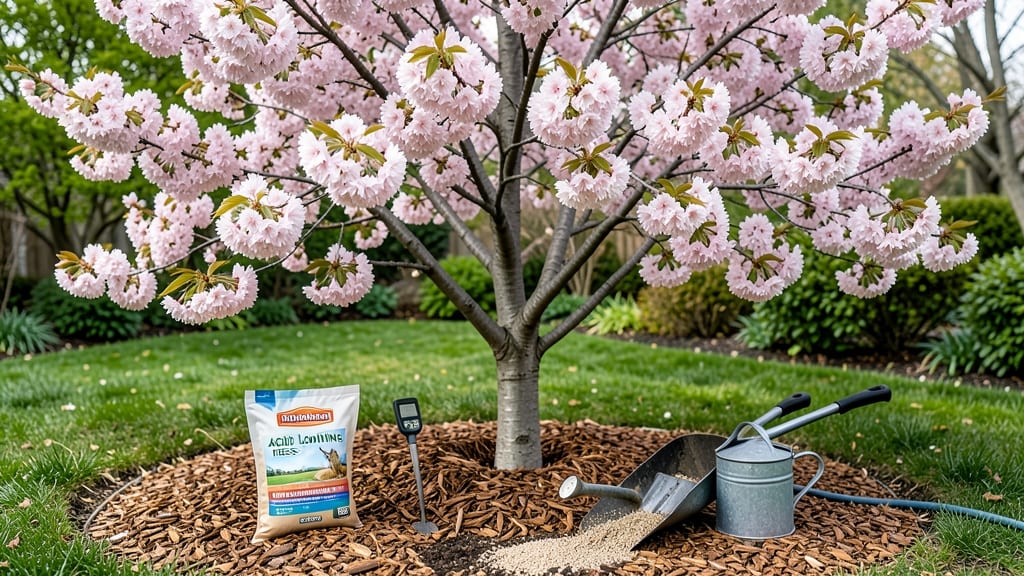
For Yoshino cherry tree fertilizer, use a balanced blend with nitrogen in early spring to fuel new growth, phosphorus in late summer for root development, and potassium to enhance blooms. Opt for slow-release or organic options like compost or a 10-10-10 NPK mix, avoiding high-nitrogen fertilizers in fall to prevent winter damage. Spread evenly around the dripline and water thoroughly afterward.
Yoshino cherry trees are finicky about their fertilizer schedule—too much nitrogen at the wrong time can actually harm their delicate blooms. 🌸 The key is matching the fertilizer to the tree's natural growth cycle: spring for leaf production, summer for root strengthening, and late summer for flower buds.
I've seen firsthand how a simple 10-10-10 mix applied in early spring gives these trees the perfect start, while organic options like compost improve soil structure over time. The dripline application method ensures nutrients reach the roots where they're needed most, without wasting product.
What sets Yoshino cherries apart is their sensitivity to winter dieback—high-nitrogen fertilizers applied in fall can make them vulnerable to cold damage. Instead, focus on potassium-rich fertilizers in late summer to harden the wood for winter.
Many gardeners swear by fish emulsion for its micronutrient boost, while others prefer granular slow-release options for convenience. The right approach depends on your soil type and local climate conditions.
💡 In This Article
- How Yoshino Cherry Tree Nutrient Needs Change by Season
- Organic vs Synthetic Fertilizers for Yoshino Cherry Trees
How Yoshino cherry tree nutrient needs change by season
Yoshino cherry trees follow a precise nutrient calendar tied to their growth phases. In early spring (March-April), when buds first swell, they crave nitrogen to fuel rapid leaf expansion. This is when a 10-10-10 NPK blend works best—nitrogen promotes lush foliage while phosphorus and potassium provide foundation support.
Think of it like giving your tree a high-protein meal after winter's fast: the nitrogen jumpstarts metabolism while phosphorus strengthens root systems already waking from dormancy. 🌱
The magic happens in late summer (August-September) when trees shift focus to flower bud formation. Here, phosphorus becomes the star nutrient—it stimulates root growth and energy storage for next year's blooms. A 5-10-10 ratio works better than spring blends, with potassium taking center stage to improve cold hardiness.
This is when micronutrients like magnesium (for chlorophyll production) and iron (for leaf color) become critical—deficiencies here show as yellowing between leaf veins. I've seen Yoshino trees with perfect spring blooms fail to set buds properly because their summer phosphorus needs weren't met.
Fall is all about potassium—this nutrient helps trees prepare for winter by strengthening cell walls and improving drought resistance. A low-nitrogen fertilizer (5-5-10 ratio) applied in October prevents late-season growth that could freeze.
The key is timing: apply when soil temps drop below 50°F to avoid stimulating new growth. Many gardeners skip fall fertilization entirely, but I've found a light potassium application in early fall helps trees recover from summer heat stress more effectively. 🍂
Winter is the only season when Yoshino cherries shouldn't receive fertilizer. Their roots remain semi-dormant, and any nitrogen applied now can trigger tender new growth that freezes back. Instead, focus on mulching with 2-3 inches of organic matter to insulate roots.
The tree's nutrient needs shift entirely to internal processes—storing carbohydrates and repairing winter damage. This is why proper summer fertilization pays off: trees with strong root systems built in late summer handle winter stress far better than those pushed with nitrogen too late in the season.
Here's a seasonal nutrient breakdown you can use as a reference:
- Early Spring: 30-40% nitrogen (for leaf growth), 10-15% phosphorus (root stimulation), 10-15% potassium (general health)
- Late Summer: 5-10% nitrogen (minimal), 15-20% phosphorus (bud formation), 20-25% potassium (hardening)
- Fall: 0% nitrogen (avoid), 5% phosphorus (maintenance), 15-20% potassium (winter prep)
The most common mistake I see is over-fertilizing with nitrogen in fall—this is what causes that unsightly late-season growth that gets fried by frost.
Remember, Yoshino cherries are deciduous trees with a 4-6 year bloom cycle—proper seasonal nutrition ensures they'll reward you with those spectacular spring canopies year after year. 🌸