
Pruning
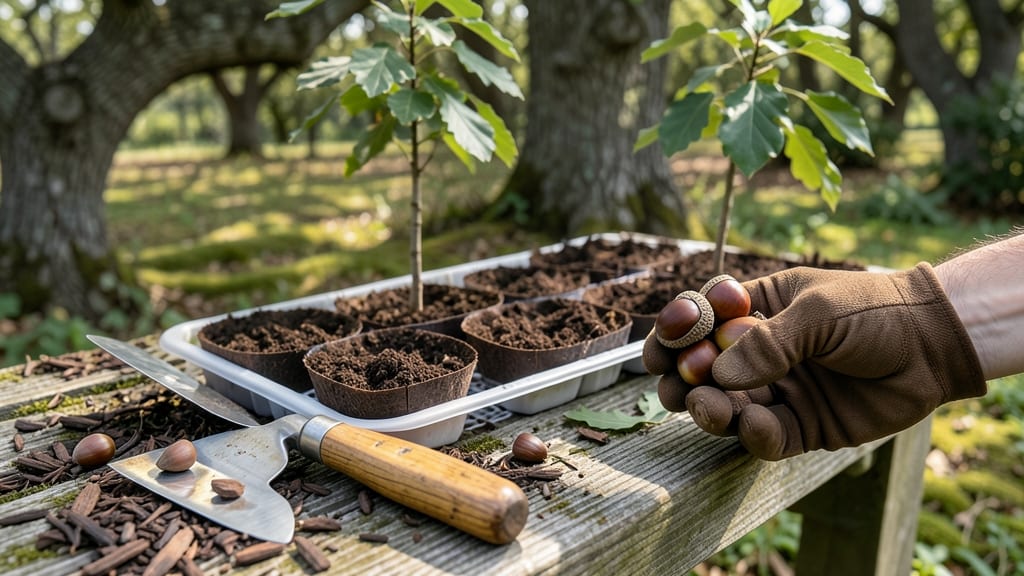
Growing acorn tree seeds into towering oaks starts with this 6-week cold stratification trick—the secret to breaking dormancy and getting those stubborn seeds to sprout. 🌱 I’ve tried every method, but this one delivers fast, reliable germination without the guesswork of waiting years for nature to do its thing.
The process is simpler than you think: just a damp paper towel, a sealed bag, and your fridge’s coldest shelf. No fancy equipment, no greenhouse needed—just patience and a little science.
What you’ll end up with are tiny green shoots ready to plant by spring, giving you a head start on growing your own majestic oak. Once those sprouts appear (usually within 4-6 weeks), you’ll transplant them into pots with well-draining soil, keeping them in bright, indirect light.
The real magic happens when you move them outside after the last frost—watch them grow from a fragile seedling into a sturdy sapling within a single season.
This method works for white, red, or bur oak seeds, and it’s perfect for gardeners who want to grow native trees without buying expensive nursery stock. Here’s exactly how to do it—step by step.
📚 In This Guide
- What you need
- Instructions
- Tips and common mistakes
- Wrapping up and next steps
What you need
- ● Fresh acorn seeds: Collect mature, plump acorns from healthy oak trees (preferably white oak or red oak). Aim for at least 10-15 seeds to increase your chances of germination.
- ● Cold stratification supplies: 2-3 paper towels or a seed-starting mat
- ● 1 ziplock bag (quart-sized or larger) or a small plastic container with a lid
- ● 1 label and marker (to track seed variety and planting date)
- ● Planting containers: Small seedling pots (2-3 inches deep) or a seed tray with drainage holes
- ● Potting soil (well-draining, sterile mix—avoid garden soil)
- ● Watering tools: Small spray bottle (for misting seeds)
- ● Watering can with a fine rose attachment (for soil)
- ○ Growth aids (optional but helpful): Fungicide (to prevent mold during stratification)
- ● Heat mat (for post-stratification warmth, if needed)
- ● A cool, dark space (like a fridge or unheated basement) for stratification—ideally 34–40°F (1–4°C).
- ● Access to natural sunlight or grow lights (for after germination).
- ● Patience! Acorns may take 4–6 weeks to sprout after stratification.
Step-by-step instructions for germinating acorn seeds with cold stratification
Here's my foolproof method to break dormancy and get those acorns sprouting in just 6 weeks.
🌱 Step 1: Collect and Prepare Fresh Acorns
Gather acorns in late fall when they've fallen naturally—never use store-bought ones, as they're often treated to prevent sprouting. Look for plump, intact acorns with no cracks or holes. I like to soak them in warm water for 24 hours first to soften the outer shell slightly and speed up the process later.
After soaking, drain and let them dry completely on a paper towel for 1-2 days. This prevents mold while keeping the seed viable. Real talk: if you skip the drying step, you'll end up with slimy acorns instead of seedlings. I always check for any that feel soft or mushy—those won't germinate.
💧 Step 2: Cold Stratify for 6-8 Weeks
Place the dried acorns in a sealed plastic bag with a damp paper towel—just enough moisture to keep it lightly damp, not soaked. I store mine in the crisper drawer of my refrigerator where the temperature stays 35-40°F. This mimics winter conditions and breaks the seed's dormancy.
Check the bag every 2 weeks to ensure the towel stays damp. If it dries out, mist it lightly and reseal. You'll know stratification is working when tiny white roots appear—usually after 6-8 weeks. Don't rush this step; proper cold treatment is what makes the difference between waiting years and seeing sprouts in weeks.
☀️ Step 3: Plant Stratified Acorns in Moist Soil
Fill small pots with well-draining potting mix and plant the stratified acorns 1 inch deep. I use 4-inch pots for each acorn since they need room to grow. Water gently until the soil feels moist but not soggy—you want it damp enough that water runs out the drainage holes but doesn't pool.
Place the pots in a warm, bright location (around 70°F) with indirect light. Too much direct sun now will dry out the soil too quickly. I keep mine on a seedling heat mat set to 75°F for the first 2 weeks to encourage faster germination. You'll see sprouts emerge in 2-4 weeks after planting.
🌿 Step 4: Transplant Seedlings When Strong Enough
Once seedlings reach 4-6 inches tall with 2-3 sets of true leaves, they're ready to move to larger containers or outdoors. I harden them off first by placing them outside in a shaded spot for 1 hour daily, gradually increasing time over 1 week.
For outdoor planting, choose a location with partial shade and well-draining soil. Acorns hate soggy roots, so I always amend the soil with compost to improve drainage. Space them 10-15 feet apart since oak trees grow large. Watch for leggy growth—this means they need more light, not water.
Tips & tricks for perfect acorn tree seed germination
These simple strategies will help you avoid common pitfalls and maximize your success with acorn germination.
Selection Tip: When collecting acorns, focus on those that are heavy for their size—this indicates they're fully developed and more likely to germinate. I always tap two acorns together; the one that makes a hollow sound is usually the better choice. Avoid any that have visible cracks or holes, as these are more susceptible to mold and pests during the soaking process.
Temperature Matters: The 35-40°F range in your refrigerator's crisper drawer is perfect for cold stratification, but every fridge varies slightly. If your crisper runs cooler, you can place the bag on a shelf just above it. The key is maintaining consistent cold temperatures—fluctuations can confuse the seed's dormancy cycle and delay germination. I've seen seeds take twice as long when stored in inconsistent temperatures.
Moisture Management: During the 6-8 week stratification period, the damp paper towel should feel like a wrung-out sponge—not dripping wet, but not dry either. I like to use a spray bottle to mist the towel every 2 weeks, then reseal the bag immediately. This prevents mold while keeping the acorns hydrated enough for root development. If you notice any fuzzy growth, that's mold—toss those seeds and start fresh with new ones.
Planting Depth: Planting acorns just 1 inch deep might seem shallow, but oak seeds need this minimal coverage to access light while still maintaining moisture. I've found that deeper planting (2+ inches) can lead to leggy seedlings that struggle to reach the surface. Use your finger to make a small hole, place the acorn with the pointed end up, then gently cover with soil—no need to pack it down.
Pro Tips for Acorn Tree Seeds
- These simple strategies will help you avoid common pitfalls and maximize your success with acorn germination.
- Selection Tip: When collecting acorns, focus on those that are heavy for their size—this indicates they're fully deve...
- Temperature Matters: The 35-40°F range in your refrigerator's crisper drawer is perfect for cold stratification, but ...
Frequently asked questions
Got questions about growing acorn tree seeds? You’re not alone! Here are answers to the most common queries to help you succeed with your cold stratification project.
How long does cold stratification take for acorn seeds?
Cold stratification for acorn seeds typically requires 6 to 8 weeks in the fridge. Some varieties may need up to 3 months for optimal germination. Start the process in late fall or early winter for spring planting success.
Can I skip cold stratification and plant acorns directly?
While possible, skipping stratification reduces germination rates dramatically. Acorns need this chilling period to break dormancy. If you’re impatient, try soaking seeds in warm water for 24 hours first—but expect slower and less reliable results.
What’s the best way to check if an acorn is viable?
Test viability by placing acorns in water: viable seeds sink (fresh, heavy), while hollow or rotted ones float. Also, look for plump, firm shells—shriveled or cracked acorns are less likely to sprout.
Do acorns need light to germinate after stratification?
No! Acorns germinate best in dark, moist conditions during stratification. Once planted, they’ll naturally seek light. Keep them in a humid, shaded spot until sprouts appear (usually 2–6 weeks post-planting).
Why aren’t my acorns germinating after stratification?
Common culprits include:
- Improper moisture: Soil should stay damp (not soggy) but never dry out.
- Wrong temperature: Keep seeds at 35–45°F (2–7°C) during stratification.
- Old seeds: Acorns lose viability after 1–2 years.
- Fungal issues: Use sterilized soil or a fungicide if mold appears.
Troubleshoot by adjusting one factor at a time!
Wrapping up and next steps
Growing acorn tree seeds with cold stratification is a rewarding way to nurture future giants in your garden! 🌱 By mimicking nature’s timing, you’ll unlock faster germination in just 6 weeks—no guesswork required.
Whether you’re a seasoned gardener or a curious beginner, this method proves that patience and a little science can turn tiny seeds into towering oaks.
Ready to plant your future forest? Grab those acorns, follow the steps, and watch your garden transform. Happy growing! 🌳✨