
Pruning
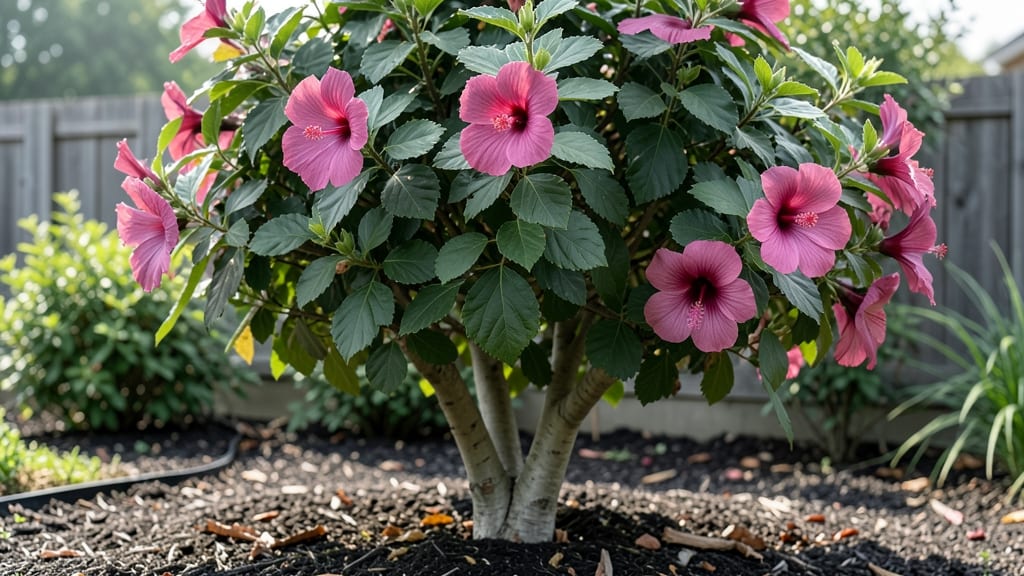
Shaping an Althea 🌸 into a tree form is all about patience and precision — the right cuts at the right time turn a sprawling shrub into a striking, single-trunk showstopper.
Picture this: your Althea struggling with a tangled mess of branches instead of a graceful, floral-filled tree. The good news? With the right pruning techniques, you can transform it into a neat, ornamental centerpiece that stands out in any landscape.
Althea naturally grows as a multi-stemmed shrub, but with strategic pruning—especially in early spring—you can encourage a single, strong trunk while keeping those vibrant blooms coming. This guide will walk you through the exact steps, from selecting your central leader to thinning out crowded branches.
Ready to give your Althea the structured, tree-like look it deserves? Let’s dive into the seasonal pruning schedule and maintenance tips that will keep it looking tidy and thriving for years.
Understanding Althea tree form: natural growth patterns vs. pruned shapes
If you've ever admired a flowering Althea (Hibiscus syriacus) with a graceful tree-like structure, you know its natural multi-stemmed shrub form can be transformed with the right techniques.
The key lies in understanding how this plant grows naturally versus how pruning can sculpt it into an elegant tree shape while maximizing those stunning blooms.
Althea typically grows as a shrub with multiple stems, often producing a dense, bushy habit that can reach 6 feet tall. However, with strategic pruning, you can encourage a single central leader and develop a tapered canopy resembling a small ornamental tree.
The secret is working with its seasonal growth cycles and avoiding common mistakes that lead to a lopsided or leggy appearance.
| Growth Feature | Natural Shrub Form | Pruned Tree Form |
|---|---|---|
| Stem Structure | Multiple stems from base | Single central leader |
| Branch Spread | Wide, bushy canopy | Tapered, layered branches |
| Flower Display | Scattered blooms | Concentrated floral clusters |
| Pruning Timing | Minimal shaping | Structural pruning in late winter |
| Growth Habit | Fast, sprawling | Controlled, upright |
| Common Mistake | Overcrowded stems | Weak central leader |
The first step to creating a tree-form Althea is selecting the strongest central leader when the plant is young. Look for a straight, vigorous stem that stands out from the others.
If your plant already has multiple stems, you can prune all but the healthiest one down to about 12 inches from the ground. This encourages the remaining stem to grow taller and stronger.
Once you've established your central leader, focus on developing secondary branches that will form your tree's canopy. These should emerge at a 45-degree angle from the main stem, spaced evenly around it.
Prune back any branches that grow too close together or point directly upward, as these won't contribute to your balanced, layered look.
Seasonal timing plays a crucial role in shaping your Althea. The best time for structural pruning is late winter or early spring, just before new growth begins. This allows you to see the plant's natural shape and make clean cuts that encourage healthy regrowth.
Avoid heavy pruning in summer or fall, as this can stimulate tender new growth that may not harden off before winter.
One common mistake gardeners make is over-pruning the top of their Althea, which can lead to a bare trunk with no foliage or flowers. Instead, aim for a gradual taper where branches are slightly shorter at the top than at the bottom.
Another pitfall is neglecting the lower branches, which can result in a bare trunk and a top-heavy appearance. Regularly trim back lower growth to maintain a balanced silhouette.
To encourage a fuller canopy, practice selective thinning during the growing season. Remove any crossing branches or those growing inward, as these can create shady spots where flowers won't develop.
Leave the outward-facing branches to create an open, airy structure that allows sunlight to reach all parts of the plant.
Remember that Althea blooms on new wood, meaning the flowers develop on the current year's growth. When pruning, avoid cutting back into old wood, as this can reduce your plant's flowering potential. Instead, focus on shaping the current season's growth to maintain a flower-filled tree each year.
With patience and consistent care, your Althea will develop into a stunning, tree-like specimen that stands out in your landscape. The key is to work with the plant's natural growth habits while gently guiding it into the shape you desire.
Over time, you'll create a floral masterpiece that blooms beautifully from mid-summer to fall.
🌸
Step-by-step pruning guide: how to train Althea into a tree form
Transforming your Althea (Hibiscus syriacus) into a stunning tree form requires patience and precision. The key is to guide its natural multi-stemmed growth into a single, strong trunk with a well-defined canopy.
Start by identifying the strongest central leader—this will become your tree's main trunk. Use seasonal pruning to shape it while encouraging dense foliage and abundant blooms.
Your pruning toolkit should include bypass pruners for small branches, loppers for thicker stems, and a pruning saw for any large branches. Always sterilize tools with rubbing alcohol to prevent disease spread. Safety first: wear gloves and eye protection when handling sharp tools or large branches.
🌿 Seasonal Pruning Schedule for Althea Tree Form
-
🌱 Winter (Dormant Season - Late Jan to Early March)
Action: Remove dead, diseased, or crossing branches. Thin out 20-30% of old wood to improve airflow. Avoid heavy pruning—focus on cleaning up.
-
🌸 Early Spring (March - April)
Action: Select your central leader (strongest upright stem). Remove competing competing leaders at the base. Prune back side branches by 1/3 to encourage bushier growth.
-
☀️ Summer (June - August)
Action: Lightly shape the canopy after flowering. Trim overly long branches to maintain balance. Remove suckers (shoots at the base) to focus energy on the tree form.
-
🍂 Late Summer/Early Fall (September - October)
Action: Prune weak or leggy growth. Thin out crowded branches inside the canopy. Avoid heavy pruning—save major shaping for winter.
When shaping your Althea tree form, always prune just above a bud or branch collar to promote healing. For large branches, use the three-cut method: make a undercut, a top cut, and finally remove the branch.
This prevents bark tearing and speeds up recovery. Water your plant thoroughly after pruning to reduce stress.
Monitor your tree’s progress throughout the year. If you notice uneven growth or weak branches, adjust your pruning in the following winter. With consistent care, your Althea will develop a sturdy trunk and a lush, flower-filled canopy that rivals a mature ornamental tree.
Patience is key—it may take 2-3 years to achieve a well-defined tree form. Celebrate small victories, like a stronger central leader or fuller branches, as you guide your Althea toward its majestic potential. 🌳