
Pruning
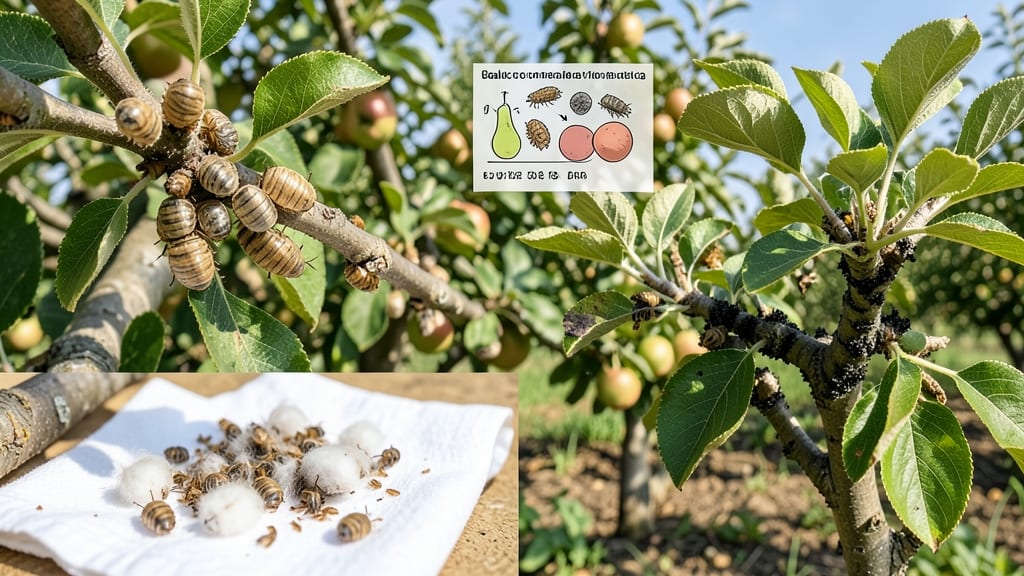
Apple tree scale turns your orchard into a sticky nightmare—tiny armored bugs that suck sap and leave behind a glossy, honeydew-like residue that attracts ants and soot mold. 🌿 I’ve battled these pests for years, and the key to stopping them isn’t harsh chemicals but a natural oil spray that smothers them in hours, not weeks.
The secret? Timing, concentration, and knowing exactly when to spray for maximum impact.
Scale insects thrive when trees are stressed—drought, poor pruning, or over-fertilizing makes them vulnerable. That sticky residue you’re seeing? It’s their waste, and it’s choking your tree’s growth. The good news?
A homemade horticultural oil spray (70% refined oil + water) suffocates them on contact, and it’s safer for bees and birds than chemical sprays. You’ll need 3-4 applications, spaced 7-10 days apart, to break their life cycle.
Within 24-48 hours of the first spray, you’ll start seeing scale drop from the branches—no more sticky mess, no more stunted leaves. The tree will bounce back with vibrant green foliage and a renewed ability to fight off pests naturally.
Plus, this method prevents scale from coming back next season if you combine it with proper pruning and watering.
Works for all apple varieties, from dwarf to standard trees, and even saves mature orchards. The spray is cheap, non-toxic, and you can make it in 15 minutes with supplies you likely already have. Let’s get those trees healthy again—naturally.
Root Causes Of Apple Tree Infestations
Apple trees can become battlegrounds for tiny, armored pests called scale insects—but why do they strike in the first place? The answer lies in a mix of environmental triggers, tree stress, and the pests' sneaky survival tactics.
Understanding these causes is the first step to stopping them before they take hold.
Scale insects don’t just appear out of nowhere—they target trees that are already struggling. When an apple tree is stressed, its natural defenses weaken, making it an easy meal for these pests. Here’s what puts your tree at risk:
- Poor nutrition: Apple trees need balanced nutrients (especially nitrogen, potassium, and calcium) to stay resilient. If the soil is depleted or compacted, the tree can’t fight off invaders effectively.
- Water stress: Too much or too little water throws off a tree’s ability to produce protective compounds. Overwatering suffocates roots, while drought weakens foliage—both scenarios invite scale.
- Physical damage: Pruning wounds, hail scars, or even bird pecks create entry points for scale insects. A compromised bark layer is like an open door for these pests.
- Disease history: Trees recovering from fungal infections (like apple scab) or bacterial issues are more vulnerable. Scale often moves in after other pathogens have already weakened the tree.
💡 Pro Tip: Conduct a soil test and leaf analysis before treating scale. Addressing nutrient deficiencies first can make your tree less appealing to pests.
Scale insects thrive in dense, unsanitary conditions. If your apple tree is part of a crowded orchard—or even just surrounded by other infested plants—they’ll spread like wildfire. Here’s how:
- Wind and wildlife: Tiny scale crawlers (called crawlers) hitch rides on wind currents or animals (like birds, bees, or even garden tools) to new trees. A single infested branch can contaminate an entire grove.
- Lack of pruning: Overgrown branches create shaded, humid microclimates—perfect for scale eggs to hatch and multiply. Thin canopies reduce hiding spots for pests.
- Beneficial insect decline: Natural predators (like ladybugs, lacewings, and parasitic wasps) keep scale populations in check. If your garden lacks biodiversity, scale populations explode unchecked.
- Old, untreated wood: Scale insects lay eggs in bark crevices that persist for years. If you’ve never cleaned up fallen leaves, mummified fruit, or dead branches, you’re basically giving them a nursery.
✨ Actionable Fix: Space trees 12–15 feet apart to improve airflow, and remove all debris (leaves, fruit, prunings) from the base of the tree. This disrupts their life cycle.
Scale insects are opportunistic—they love warm, humid conditions where they can hide and feed undetected. If your apple tree’s environment matches their preferences, they’ll move in fast:
- Southern exposures: Trees facing south or west get more direct sunlight, raising bark temperatures—ideal for scale egg development. Eggs hatch faster in heat.
- Poor drainage: Waterlogged soil traps heat near the roots, creating a greenhouse effect on the trunk and branches. Scale thrives in these steamy conditions.
- Thick mulch piles: While mulch is great for moisture retention, piling it too high against the trunk can trap humidity and encourage scale buildup.
- Urban heat islands: Trees in cities or near pavement absorb and radiate heat, speeding up scale reproduction. If your tree is in a hot, paved area, it’s at higher risk.
🔥 Quick Solution: Reflect sunlight away from the trunk with a light-colored mulch ring (like gravel) and ensure 6–8 inches of mulch clearance from the bark.
Ironically, overusing pesticides can make scale worse. Here’s how:
- Resistance buildup: Scale insects develop resistance to synthetic sprays (like neonicotinoids or organophosphates) over time. What once worked now fails, forcing you to use stronger, broader-spectrum chemicals—which kill even more beneficial insects.
- Hormonal disruption: Some fungicides or herbicides stress the tree’s immune system, making it more susceptible to scale. Always check labels for “phytohormone activity.”
- Soil toxicity: Excessive chemical runoff can alter soil microbes, reducing the tree’s ability to absorb nutrients. A malnourished tree is a scale magnet.
🎯 Best Practice: Rotate treatments and prioritize organic oils (like horticultural oil) that smother scale without harming beneficial insects.
Natural Fixes for Tiny Tree Invaders
Apple trees can become battlegrounds for tiny pests like scale insects—those waxy, sap-sucking critters that turn leaves yellow and weaken branches. But don’t reach for harsh chemicals just yet! Here’s how to banish scale naturally with targeted, eco-friendly solutions, tailored to the root cause of your tree’s woes.
Before treating, confirm the culprit. Scale insects appear as small bumps (like tiny shells) on stems, leaves, or bark. They may also leave behind sticky honeydew (a sign of heavy infestation). If you spot these, act fast—scale spreads quickly!
1. Light Infestation? Start with Manual Removal
Cause: Early-stage scale clusters (fewer than 10% of branches affected). Fix: - 👨🍳 Scrape Them Off: Use a soft brush or cloth dipped in soapy water (1 tsp mild dish soap per gallon of water).
Gently scrub infested areas to dislodge scale. - 🌊 Rinse Thoroughly: Follow up with a strong water spray to wash away debris and eggs. - 🗑️ Dispose of Debris: Bag and trash scraped scale to prevent reinfestation.
💡 Pro Tip: Work on cool, cloudy days to avoid stressing the tree. Repeat every 5–7 days for 2–3 weeks to catch new hatchlings.
2. Heavy Infestation? Use a Homemade Oil Spray
Cause: Widespread scale covering branches, trunk, or leaves (honeydew present). Fix: Horticultural oil sprays smother scale by clogging their breathing pores. Here’s a DIY recipe that works in hours:
| Ingredient | Amount | Purpose |
|---|---|---|
| Refined oil | 1 tbsp (vegetable, mineral, or neem oil) | Suffocates scale insects |
| Dish soap | ½ tsp (mild, like Dawn) | Breaks down waxy coating |
| Water | 1 quart (32 oz) | Carrier for even spray coverage |
| Optional: | 1 tsp neem oil | Repels future pests |
🔪 Application Steps:
- Mix thoroughly in a spray bottle.
- Shake well before each use (oil separates).
- Spray undersides of leaves and all infested areas until glistening.
- Reapply every 7–10 days for 3–4 weeks (scale life cycles vary).
⏰ Timing Matters: Apply early morning or late evening to avoid burning leaves in sunlight.
3. Prevent Future Outbreaks with Barrier Sprays
Cause: Recurring scale due to weak tree health, poor airflow, or past infestations. Fix: Preventative sprays create a protective shield. Try these:
- 🌿 Neem Oil Spray:
- Mix
- Spray every 2 weeks during spring and fall (scale’s active seasons).
- Bonus: Repels other pests like aphids and mites!
- Blend
🌡️ Climate Check: Avoid sprays if temps are above 90°F—they can damage leaves.
4. Boost Tree Health to Fight Back Naturally
Cause: Scale thrives on stressed or nutrient-deficient trees. Fix: A strong tree = fewer pests. Try these low-effort boosters:
- 💧 Water Deeply (But Not Too Much):
- Avoid overhead watering—wet foliage encourages fungal growth.
- Spread
- Remove
- 🕵️ Monitor Regularly: Check your tree weekly during spring and summer for early signs.
- 🐝 Encourage Beneficial Insects: Ladybugs and parasitic wasps eat scale! Plant dill, fennel, or marigolds nearby to attract them.
- 🌳 Mulch Properly: Use wood chips or straw (not plastic) to retain moisture and suppress weeds (which harbor pests).
- 🚫 Avoid Over-Fertilizing: Too much nitrogen = soft, scale-loving growth. Stick to balanced organic feeds.
If your tree is severely weakened (wilting, heavy leaf drop) or scale covers 50%+ of branches, consult an arborist. They can assess whether professional treatments (like systemic sprays) are needed.
Remember: Patience is key! Scale treatments take 3–4 weeks to fully eradicate. Stick with your routine, and your apple tree will bounce back healthier than ever—ready to produce juicy, pest-free fruit** next season. 🍏🌟
Frequently asked questions
How do I know if my apple tree has scale insects?
Look for tiny, waxy bumps (like popcorn kernels) on branches, leaves, or trunk—these are adult scale insects. You may also see sticky honeydew residue on leaves or under branches (a sign of heavy infestation). Check the undersides of leaves first, as scale often hides there.
Will homemade oil sprays kill scale eggs?
Yes, but you’ll need 3-4 applications spaced 7-10 days apart. Oil sprays suffocate all life stages, including eggs, but eggs hatch gradually. Reapply until you see no new crawlers (tiny, mobile scale nymphs) for 2 weeks. Timing is key—spray when eggs are hatching (spring/fall).
Can I use vegetable oil instead of refined horticultural oil?
Yes, but refined oils (like mineral or neem oil) are safer for plants and more effective. Vegetable oil can break down faster in sunlight. If using vegetable oil, add 1 tsp soap to help it stick to leaves. Always shake well before spraying to mix separated oil.
Why do ants love apple trees with scale?
Ants farm scale insects for their honeydew—a sugary waste product. To break this cycle, apply diatomaceous earth around the tree base or use soapy water sprays to deter ants. Healthy trees with good airflow produce less honeydew, making them less attractive to ants.
How long does it take to see improvement after treatment?
You’ll notice a difference within 24-48 hours—scale will start dropping from branches. For full eradication, expect 3-4 weeks of consistent treatment. Monitor for new crawlers (tiny, mobile insects) after each spray. Patience is key—scale life cycles are slow!