
Trees
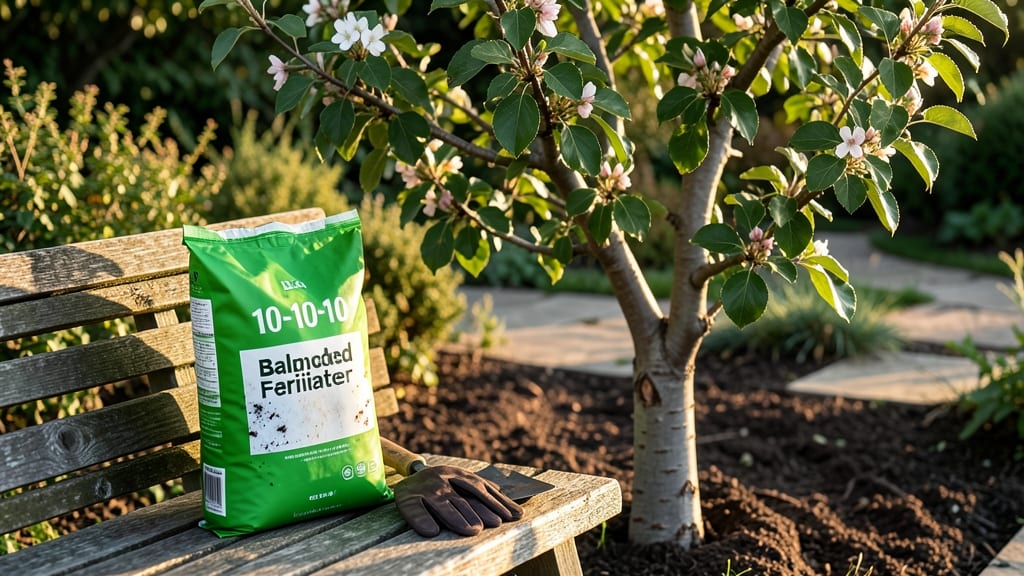
The right Asian pear tree fertilizer is the game-changer for sweet, abundant fruit every harvest season.
Struggling to get your Asian pear tree to produce sweet, juicy fruit year after year? The secret isn’t just water or sunlight—it’s a precision fertilizer schedule tailored to each season’s needs.
In Zone 6, where these trees thrive, spring is all about kickstarting growth with a balanced feed, while summer demands lighter touch-ups to avoid overstimulating the tree before harvest. Fall and winter? That’s when you let the tree rest—no fertilizer needed.
Below, I’ll walk you through the exact fertilizers to use, when to apply them, and how to spot signs of over- or under-feeding so your tree stays healthy and productive for decades.

Best fertilizers for Asian pear trees by nutrient type
Your Asian pear tree thrives when fed the right nutrients at the right time. Unlike many fruit trees, Asian pears need a balanced approach—too much nitrogen can delay fruit production, while too little phosphorus weakens root systems.
The key is understanding how NPK ratios (nitrogen, phosphorus, potassium) and micronutrients interact to support both growth and fruiting.
For young trees, focus on high-nitrogen fertilizers to build foliage and roots, but shift to phosphorus-heavy blends once flowering begins. Mature trees benefit from potassium-rich fertilizers to improve fruit quality and disease resistance.
Let’s break down the best options for each nutrient type, including organic and synthetic choices tailored to your tree’s stage of growth.
For young Asian pear trees (under 3 years old), prioritize nitrogen-rich fertilizers like blood meal or a 10-0-0 synthetic blend to encourage robust root and shoot development. Apply these in early spring and again after summer pruning to support recovery.
I’ve found that organic options like fish emulsion break down gently, reducing the risk of root burn that synthetic fertilizers can cause.
Once your tree enters its fruiting stage (typically years 4-5+), switch to a phosphorus-potassium blend like 5-10-10. This ratio mimics what’s needed for flowering and fruit development.
I recommend bone meal in early spring to jumpstart blooms, followed by a potassium sulfate application in late summer to harden fruit for storage. Never use high-nitrogen fertilizers during this phase—it can lead to excessive foliage at the expense of fruit.
Micronutrients often get overlooked, but they’re critical for preventing deficiencies like iron chlorosis (yellowing leaves) or zinc deficiency (stunted growth).
A foliar spray of seaweed extract every 4-6 weeks during the growing season provides a gentle boost of boron, magnesium, and calcium, which Asian pears need for cell wall strength. I’ve seen trees with better fruit set and fewer cracked pears after adding these micronutrients.
If you’re unsure about your soil’s current nutrient levels
Seasonal fertilizer schedule for maximum fruit production
Your Asian pear tree thrives on a seasonal fertilizer schedule that matches its growth cycles. Unlike annuals, fruit trees like pears need nutrient timing to support both foliage and fruit development.
Skipping this precision can lead to smaller yields or poor-quality fruit. Let’s break down what your tree needs each season to produce those sweet, juicy pears you love.
Spring is the most critical time for fertilization because it kickstarts growth after winter dormancy. During this phase, your tree needs a balanced NPK ratio (like 10-10-10) to encourage both root and shoot development.
Summer requires lighter feedings to avoid overstimulating new growth before harvest, while fall and winter are rest periods where fertilization should pause entirely.
🌱 Seasonal Fertilizer Guide for Asian Pear Trees
-
🌿 Spring (March - April)
Apply balanced fertilizer (10-10-10) at planting and again in early spring. Use 1 cup for young trees, 2-3 cups for mature trees. Focus on root and shoot growth. -
☀️ Summer (May - July)
Switch to light feedings every 6-8 weeks with a lower-nitrogen fertilizer (e.g., 5-10-10). Avoid over-fertilizing to prevent late-season flushes that reduce fruit quality. -
🍂 Fall (August - October)
Skip fertilization entirely. Let the tree harden off for winter. Focus on watering reduction and leaf cleanup to prevent disease. -
❄️ Winter (November - February)
The tree is dormant—no fertilization needed. Use this time to prune dead branches and test soil pH (ideal: 6.0-7.0).
Pro Tip: Always water deeply after fertilizing to prevent root burn.
Signs of over-fertilization include yellowing leaves, leaf burn, or excessive new growth that weakens the tree. If you notice these, flush the soil with water and reduce future doses. Under-fertilization shows as small leaves, poor fruit set, or stunted growth—adjust by increasing fertilizer amounts gradually.
For organic options, consider compost, fish emulsion, or bone meal in spring. These release nutrients slowly, mimicking natural soil conditions. Always follow package instructions for organic fertilizers, as their nutrient concentrations vary widely. Pair your fertilizer schedule with regular pruning and mulching to maximize fruit production.
By following this seasonal approach, your Asian pear tree will reward you with larger harvests and better-quality fruit year after year. Start with spring’s growth boost, maintain summer’s balanced care, and let winter’s rest prepare the tree for next season’s success.