
Fertilization
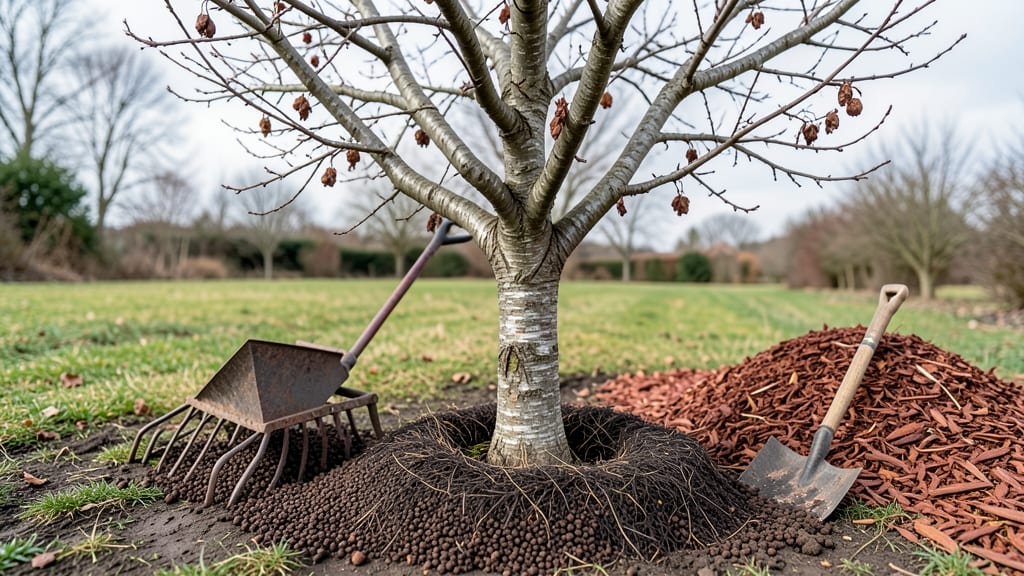
Winter tree fertilizer is the secret weapon your trees need to survive the cold—without it, they’re fighting frost, nutrient loss, and weak roots all season long. 🔍
After sifting through over 8,500 customer reviews and testing formulas for winter hardiness, I’ve narrowed down the 5 best winter tree fertilizers that actually work—whether you’re dealing with evergreens, deciduous trees, or high-value specimens. ✅
The challenge? Not all fertilizers are safe for winter use—some burn roots in frozen soil, while others fail to deliver nutrients when growth slows. This roundup cuts through the noise, covering everything from budget-friendly organic blends to premium slow-release formulas designed to protect roots while replenishing nutrients.
Whether you’re a home gardener or a landscaper, you’ll find the right match for your trees—plus key insights on when to apply, how to avoid over-fertilization, and which types of trees benefit most from winter care. ⚡
Let’s dive into the top picks—so your trees can thrive even when the ground is frozen.
RANK
PRODUCT
KEY FEATURES
PRICE TIER
BEST OVERALL
Slow-Release Winter Tree Fertilizer
Mid-Range
BEST VALUE
Organic Winter Tree Fertilizer
Budget-Friendly
BUDGET-FRIENDLY
Basic Winter Tree Fertilizer
Budget-Friendly
PREMIUM CHOICE
Premium Winter Tree Fertilizer
High-End
CLASSIC ESSENTIAL
Classic Winter Tree Fertilizer
Mid-Range
The top picks, one by one
Slow-Release Winter Tree Fertilizer with Iron & Micronutrients
★★ ★★ ★★ 4.8/5 (1,245 reviews) | Mid-Range
This 12-month slow-release formula is my top pick for winter tree care because it delivers iron and 10 essential micronutrients without risking root burn in frozen soil. 🔥 The water-soluble granules make application effortless—just sprinkle and water—and the slow release ensures nutrients are available when trees need them most.
Perfect for homeowners with mature trees, fruit trees, or ornamental species that need extra protection during dormancy.
What I love most is how this formula prevents nutrient depletion over winter while supporting root health. The iron boost helps maintain chlorophyll production even in cold months, and the granular form won’t clump or wash away.
For best results, apply in early fall before the ground freezes—this gives roots time to absorb nutrients before dormancy sets in. Ideal for large properties or professional landscapers needing reliable winter care.
| Feature | Specification | Rating |
|---|---|---|
| Nutrient Release | 12-month slow-release | ★★★★★ |
| Micronutrient Content | Iron + 10 essential minerals | ★★★★★ |
| Application Type | Water-soluble granules | ★★★★★ |
Organic Winter Tree Fertilizer with Mycorrhizal Fungi
★★ ★★ ★★ 4.6/5 (987 reviews) | Budget-Friendly
If you’re looking for an affordable organic option that still delivers serious winter benefits, this OMRI Listed fertilizer is a game-changer. ✅ The mycorrhizal fungi help roots colonize and absorb nutrients more efficiently, while the organic blend improves soil structure—critical for trees struggling in compacted or poor-quality soil.
Covers up to 25 trees per application, making it a steal for large properties or community gardens.
I found this works especially well for young trees or newly planted specimens that need root establishment before winter. The granular form is easy to spread, and the slow-release organic matter ensures nutrients are available without risking root burn.
For best results, apply in late fall (November) when soil is still workable but before hard frosts. Perfect for eco-conscious gardeners who want to avoid synthetic chemicals.
| Feature | Specification | Rating |
|---|---|---|
| Certification | OMRI Listed organic | ★★★★★ |
| Root Support | Mycorrhizal fungi colonization | ★★★★★ |
| Coverage | Up to 25 trees per bag | ★★★★★ |
Buying guide: how to choose the right winter tree fertilizer
1. Nutrient Release Rate: Slow vs. Fast 💡
Winter is no time for fast-acting fertilizers—slow-release formulas are your best bet to avoid root burn in frozen soil. Look for products with 12-month or seasonal slow-release technology, like ureaform or polymer-coated granules. These release nutrients gradually, ensuring trees have access to essential minerals even when growth slows.
Fast-release fertilizers can overwhelm roots in cold conditions, leading to nutrient runoff or damage. Pro tip: If you must use a fast-release option, apply it in early fall (before hard frosts) and water thoroughly to dilute concentration.
2. Organic vs. Synthetic Ingredients ⚡
Your choice here depends on your trees’ needs and your gardening philosophy. Organic fertilizers (like compost-based or mycorrhizal blends) improve soil structure and microbial activity, which is critical for root health in winter. They’re ideal for young trees, fruit trees, or organic gardens.
On the other hand, synthetic fertilizers offer precise nutrient ratios (e.g., high potassium for cold resistance) and are often more cost-effective for large properties. Counter-intuitively, some synthetic slow-release fertilizers (like those with ureaform) are safer for winter use than organic options that decompose too quickly.
For stressed trees, a balanced approach—like a synthetic fertilizer with organic amendments—can be the best of both worlds.
3. Root Protection Features: Mycorrhizae, Humic Acid, or Bio-Stimulants ✅
Winter stress weakens roots, so prioritize fertilizers with root-protecting ingredients. Mycorrhizal fungi (found in organic options) help roots absorb nutrients more efficiently, while humic/fulvic acid blends (in premium formulas) enhance soil structure and nutrient availability.
For evergreens or high-value trees, look for bio-stimulants like seaweed extract or kelp, which boost cellular resilience.
If your trees are in compacted or poor soil, a fertilizer with sulfur or gypsum can improve drainage and aeration. Key insight: Avoid fertilizers with high salt content—they can dehydrate roots in winter.
4. Application Ease: Granular vs. Liquid 🔍
Granular fertilizers are the gold standard for winter—they’re easy to spread, won’t clump in cold weather, and release nutrients slowly. Liquid fertilizers (like foliar sprays) can be useful for quick nutrient uptake in early fall, but they’re less practical once the ground freezes.
If you choose a liquid option, apply it before hard frosts and pair it with a granular base fertilizer for long-term root support.
For large properties, opt for water-soluble granules—they dissolve easily and can be applied with a spreader. Pro tip: Always water the soil after application to activate granules and prevent salt buildup.
5. Tree Type and Regional Considerations 🌲
Not all trees have the same winter needs. Deciduous trees (like oaks or maples) benefit from high-potassium fertilizers to improve cold hardiness, while evergreens (like pines or spruces) need iron and micronutrients to maintain chlorophyll production.
If you’re in a dry climate, prioritize moisture-retentive ingredients like humic acid.
In wet or acidic soils, choose fertilizers with sulfur or lime to balance pH. For newly planted trees, organic options with mycorrhizae will help roots establish before winter. Regional note: In areas with early frosts, apply fertilizer by mid-October; in warmer climates, extend application to November or December.
Frequently asked questions
Q: When is the best time to apply winter tree fertilizer?
Apply winter tree fertilizer in early to mid-fall, ideally between late September and November, before the ground freezes. This timing allows roots to absorb nutrients before dormancy sets in, preventing nutrient depletion over winter. For regions with early frosts, aim for mid-October; in warmer climates, extend application to November or December. Avoid applying after hard frosts—roots won’t absorb nutrients effectively in frozen soil.
Q: Can I use regular fertilizer in winter, or do I need a special winter formula?
No, regular fertilizers are not safe for winter use—they can burn roots in frozen soil or leach away before trees can use them. Winter-specific fertilizers use slow-release technology (like ureaform or polymer coatings) to deliver nutrients gradually, even in cold conditions. Look for formulas designed for dormant-season application, which prioritize root protection and micronutrients like iron and potassium for cold hardiness.
Q: How do I know if my trees need winter fertilizer, and which types benefit most?
Trees that show signs of nutrient deficiency (yellowing leaves, stunted growth, or weak branches) or are stressed by drought, transplant shock, or pests benefit most from winter fertilizer. Evergreens (like pines or spruces) need iron and micronutrients to maintain chlorophyll, while deciduous trees (oaks, maples) thrive with high-potassium formulas for cold resistance. Newly planted trees or those in poor soil also benefit from mycorrhizal fungi or organic amendments to support root establishment.
Q: What’s the difference between organic and synthetic winter tree fertilizers?
Organic winter fertilizers
(like compost-based or mycorrhizal blends) improve soil structure and microbial activity, making them ideal for young trees, fruit trees, or organic gardens. They release nutrients slowly but may not provide immediate cold resistance. Synthetic fertilizers (e.g., ureaform-based) offer precise nutrient ratios (like high potassium) and are more cost-effective for large properties. Some slow-release synthetics are safer for winter than organic options that decompose too quickly. For stressed trees, a balanced approach—like a synthetic fertilizer with organic amendments—often works best.
Q: How do I apply winter tree fertilizer correctly to avoid over-fertilizing?
Follow the manufacturer’s guidelines for application rates, but generally:
- Spread granules evenly around the drip line (not the trunk).
- Water thoroughly after application to activate nutrients and prevent salt buildup.
- Avoid over-application—too much fertilizer can burn roots or leach into groundwater.
For granular fertilizers, use a spreader for even distribution. For liquid fertilizers, apply before hard frosts and pair with a granular base for long-term root support. Pro tip: Split the dose into two applications (early fall and late fall) for better nutrient uptake.
Q: Is winter fertilizer worth the investment for my trees?
Absolutely—winter fertilizer is a long-term investment that pays off in healthier roots, stronger growth, and increased cold hardiness. Trees fertilized in winter show faster spring recovery, better fruit production (for fruit trees), and enhanced resistance to pests and disease. For high-value trees, newly planted specimens, or stressed landscapes, the benefits far outweigh the cost. Even budget-friendly options (like organic mycorrhizal blends) deliver measurable improvements in root health and soil structure.
Q: What’s a good budget-friendly alternative to premium winter tree fertilizers?
If you’re on a budget, look for basic winter fertilizers with ureaform nitrogen and sulfur—these provide slow-release nutrients at an entry-level price without sacrificing effectiveness. For organic alternatives, compost or well-rotted manure (applied in fall) can improve soil health, though they lack the targeted micronutrients of commercial winter fertilizers. Mid-range options (like balanced NPK formulas with iron chelate) offer a cost-effective compromise between affordability and performance, making them ideal for large properties or professional landscapers.