
Pruning
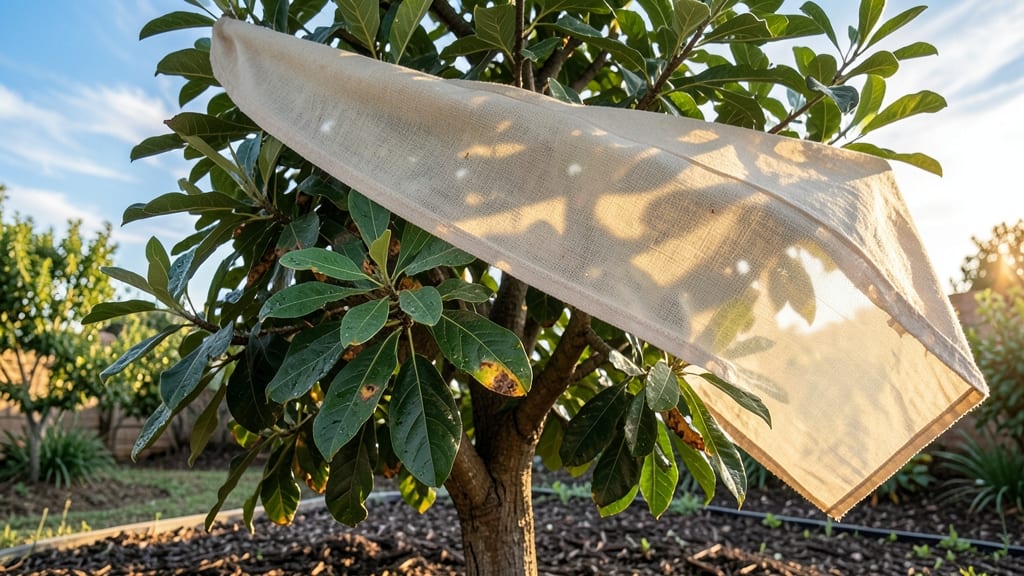
Your avocado tree’s crispy, brown-edged leaves aren’t a death sentence—just sunburn. 🌿 I’ve nursed back three trees with the same tricks, and the key is acting fast before the damage spreads to the trunk.
What starts as pale patches turns into brittle leaves that fall off, but with the right care, your tree can bounce back stronger than ever.
The problem usually happens when you move a potted tree outdoors too fast or plant one in full afternoon sun without gradual hardening. Avocados love light, but they need time to adjust—like us stepping from shade into a desert sun.
The good news? Most damage is superficial, and with a little shade, consistent watering, and maybe some strategic pruning, your tree can recover in just a few weeks.
Start by moving your tree to a spot with morning sun and afternoon shade—even just a few hours of relief makes a difference. Water deeply but let the top inch of soil dry out between waterings to prevent root stress.
If the damage is severe, trim back the worst leaves (sterilize your pruners first!) to help the tree focus its energy on new growth. Within a month, you’ll see fresh, healthy leaves pushing through.
Prevent future burns by planting in a location with dappled sunlight or using shade cloth (30-50%) for the first few weeks after transplanting. Mulch around the base to keep roots cool, and avoid fertilizing until new growth appears—your tree’s energy should go into recovery, not feeding.
With these adjustments, your avocado will be back to thriving in no time.
Sunburn’s Hidden Triggers
When your avocado tree’s leaves start looking like they’ve been kissed by the sun—yellowing, crispy, or covered in unsightly brown patches—it’s not just bad luck. Sunburn in avocado trees is a physiological stress response caused by a mix of environmental and cultural factors.
Understanding these triggers helps you prevent future damage and nurse your tree back to health. Here’s why it happens:
Avocado trees (Persea americana) are native to tropical and subtropical regions, where they evolved under dappled sunlight—think forest canopies filtering rays rather than harsh, unbroken sun. When transplanted to open, sunny environments (like many home gardens), their leaves become vulnerable to:
- UV radiation overload: Leaves lack protective pigments like anthocyanins or thick cuticles to shield cells from UV-B rays. Prolonged exposure causes photooxidative stress, where excess light energy damages chlorophyll and cell membranes.
- Heat stress: Temperatures above 90°F (32°C) disrupt the tree’s ability to regulate water loss via stomatal closure. Leaves can’t cool down, leading to necrotic tissue (dead, brown patches).
- Transpiration imbalance: Bright sunlight increases evaporation faster than roots can supply water, causing hydraulic failure in leaf cells. Think of it like a plant version of heat exhaustion.
Actionable insight: Young leaves and new growth are most susceptible because they’re still developing protective layers. Mature leaves may show signs first, but the real damage often appears on tender, emerging foliage.
Sunburn isn’t just about too much sun—it’s often a two-part problem. When soil moisture drops, avocado trees struggle to:
- Dilute toxic compounds: Under drought conditions, leaves accumulate reactive oxygen species (ROS), which are normally neutralized by antioxidants. Without enough water, ROS levels spike, leading to oxidative damage (the chemical equivalent of rust in plant cells).
- Cool themselves efficiently: Avocados rely on transpiration (water evaporating from leaves) to stay cool. When soil is dry, transpiration slows, and leaf temperatures rise 5–10°F hotter than ambient air—turning sunlight into a slow-cooker for cell damage.
- Maintain turgor pressure: Flaccid (wilted) leaves can’t orient themselves optimally to reflect sunlight, increasing absorption of harmful rays.
Pro tip: Mulch deeply (3–4 inches) with organic matter to retain moisture and reduce soil temperature fluctuations. Avocados hate “wet feet” but dry roots are worse—aim for 1–1.5 inches of water per week, especially during heatwaves.
Avocado trees are notoriously sensitive to abrupt changes, whether you’ve just moved them or shifted their growing conditions. Common culprits include:
| Change | Why It Causes Sunburn |
|---|---|
| Transplant shock | Root systems take weeks to months to re-establish. Meanwhile, leaves continue photosynthesizing at full capacity, but water/nutrient uptake lags, leading to desiccation and sun damage. |
| Pruning without acclimation | Removing protective shade leaves (like large, mature foliage) exposes inner branches to full sun too soon. New growth lacks time to develop cuticular wax, a natural sunscreen. |
| Moving from shade to sun | Indoor-grown or shaded avocados have leaves adapted to low-light conditions. Placing them in direct sun triggers photoinhibition, where light energy overwhelms the photosynthetic machinery. |
Key takeaway: If you’re repotting or pruning, harden off your tree gradually. For shade-to-sun transitions, provide 30–50% shade cloth for 2–3 weeks before full exposure.
Avocados thrive in consistent warmth but hate temperature swings. Here’s how rapid changes trigger sunburn:
- Cold nights + hot days: Chilly evenings slow metabolic processes, while scorching days cause thermal stress. The mismatch disrupts antioxidant production, leaving leaves vulnerable to sun damage.
- Windburn effect: Hot, dry winds evaporate leaf moisture faster than roots can replace it, creating localized dehydration that mimics sunburn (often on leaf edges).
- Frost or heatwave exposure: Even a single night below 50°F (10°C) can disrupt cell membranes, making leaves more permeable to UV rays when temperatures rise again.
Solution: In areas with temperature swings, use lightweight row covers or shade cloth during peak sun hours. For container-grown trees, move them to sheltered spots during heatwaves.
Next up: How to assess the damage and whether your avocado tree can recover—plus step-by-step fixes to bring those leaves back to life. 🌿
Reviving Your Avocado Tree
If your avocado tree’s leaves are looking crispy, brown, or leathery from too much sun exposure, don’t panic—there are practical ways to nurse it back to health. The key is acting fast, adjusting care routines, and preventing further damage.
Below, we’ll break down the fixes based on the root cause, plus easy prevention tips to keep your tree thriving.
If the sunburn is mild (dry edges, yellowing, or slight browning), your tree is likely thirsty or struggling with sudden heat. Here’s how to help:
💧 Step 1: Deep Watering (But Smartly)
- Water deeply 2–3 times per week (depending on climate) to encourage strong root growth.
- Avoid overhead watering—soak the soil at the base instead to prevent fungal issues.
- Check soil moisture: Stick your finger 2 inches into the soil. If it’s dry, water; if damp, wait a day.
🌡️ Step 2: Adjust Sun Exposure Gradually
- Move potted trees to partial shade (morning sun + afternoon shade) for 1–2 weeks.
- For in-ground trees, prune nearby branches blocking afternoon shade if possible.
- Use shade cloth (30–50%) if relocating isn’t an option—secure it loosely to allow airflow.
🌱 Step 3: Trim Damaged Leaves (But Strategically)
- Snip off only the worst-affected leaves (brown, brittle, or curled) with clean pruners.
- Don’t over-prune—remove no more than 20% of the canopy at once to avoid stressing the tree.
- Dispose of damaged leaves in a sealed bag to prevent pests from moving in.
💡 Pro Tip:
Mulch the base with 2–3 inches of organic mulch (like wood chips or straw) to retain moisture and regulate soil temperature. Keep mulch 6 inches away from the trunk to prevent rot.
If leaves are thick, leathery, or blackened (severe sunburn), your tree is in shock from intense heat. Take urgent action:
❄️ Step 1: Provide Immediate Shade
- Emergency shade: Drape a lightweight white sheet or shade cloth over the tree for 3–5 days.
- Reflective surfaces: Place a white tray or board near the tree to bounce light away (great for potted trees).
- Indoor retreat: If possible, move potted trees to a bright, indirect-light spot (like a garage with natural light) for a week.
🌧️ Step 2: Boost Humidity (Without Overwatering)
- Mist leaves 2–3 times daily with room-temperature water (use a spray bottle).
- Group plants together to create a microclimate with higher humidity.
- Use a pebble tray: Place a tray of water near the tree (not under it) to increase air moisture.
🍃 Step 3: Fertilize Gently for Recovery
- Hold off on nitrogen-heavy fertilizers—they can stress a damaged tree.
- Use a balanced, organic fertilizer (like 5-5-5) only after 2–3 weeks of recovery.
- Foliar feed: Mix seaweed extract or fish emulsion into water and spray lightly on leaves (helps repair cell damage).
💡 Pro Tip:
Avoid pruning scorched leaves—let the tree focus on healing. Instead, trim only the most damaged branches once new growth appears (usually in 4–6 weeks).
Once your tree is on the mend, follow these habits to prevent future sun damage:
🌞 Gradual Sun Acclimation
- Hardening off: If moving a potted tree outside, acclimate it slowly—start with 2 hours of sun/day, then increase by 1 hour every 2 days.
- Young trees: Keep seedlings in partial shade for the first year before introducing full sun.
💧 Watering Wisdom
- Morning watering is best—it gives leaves time to dry before evening heat.
- Avoid wetting leaves at night to prevent fungal growth (like avocado leaf spot).
- Self-watering pots: If you’re prone to forgetting, use drip irrigation or a smart watering system.
🌿 Soil & Support
- Well-draining soil: Amend clay soil with compost or perlite to prevent root stress.
- Support young trees: Stake them if needed to avoid windburn, which worsens sun damage.
- Regular pruning: Thin out dense foliage in the center of the tree to improve airflow and light penetration.
🌡️ Climate Adjustments
- Heatwaves? Mulch heavily and water at the roots (not the leaves) to cool the soil.
- Drought-prone areas: Plant avocado trees where they’ll get morning sun + afternoon shade naturally (e.g., near a north-facing wall).
- Container care: Use larger pots (15+ gallons) and move them seasonally if your climate shifts drastically.
💡 Pro Tip:
Monitor your tree’s “sun tolerance”—some avocado varieties (like ‘Hass’) handle heat better than others. If you’re in a hot zone, choose heat-resistant cultivars like ‘Fuerte’ or ‘Bacon’.
With these fixes, your avocado tree should bounce back in 4–8 weeks, showing new, healthy leaves. The key is patience and consistency—don’t rush recovery, and soon you’ll be back to harvesting those creamy, dreamy avocados! 🥑✨
Frequently asked questions
How can I tell if my avocado tree has sunburn vs. another problem?
Sunburn shows as brown, crispy edges on leaves that feel dry to the touch, often on the side facing direct sun. Unlike fungal issues (which cause yellow spots with black edges), sunburn damage stays dry and brittle. Check for uneven browning—sunburn hits exposed areas first, while pests or disease usually affect leaves uniformly.
Will my avocado tree recover from severe sunburn?
Most trees recover if you act fast! Trim only the worst damaged leaves (no more than 20% of the canopy) and provide shade for 2-3 weeks. With proper care—deep watering and avoiding fertilizer—new growth should appear in 4-6 weeks. Severe cases may lose some branches, but the tree’s core is usually fine.
Can I use shade cloth to prevent sunburn on my potted avocado?
Use 30-50% shade cloth for the first 2-3 weeks after moving a potted tree outside. Secure it loosely to allow airflow, and gradually remove it over 1-2 weeks as the tree acclimates. For container trees, consider a white mesh cover during peak afternoon sun—it diffuses light without blocking airflow.
How often should I water my avocado tree after sunburn damage?
Water deeply 2-3 times per week (more in extreme heat), focusing on the root zone. Check soil moisture 2 inches down—if dry, water thoroughly. Avoid wetting leaves to prevent fungal issues. Mulch with 2-3 inches of organic matter to retain moisture and protect roots.
Can I prune sunburned leaves immediately, or should I wait?
Wait until you see new growth (usually 4-6 weeks) before pruning. Removing too many damaged leaves stresses the tree further. Instead, trim only the most severely affected branches and focus on shade and watering first. Sterilize pruners with rubbing alcohol to prevent infection.