
Light Requirements
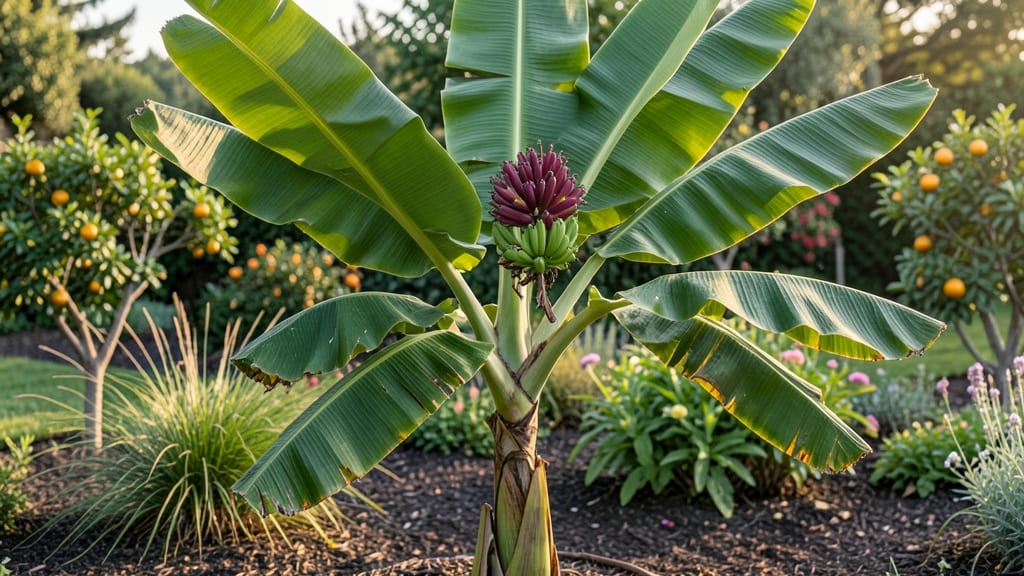
Growing banana trees in full sun transforms your patio into a tropical paradise—banana tree full sun is the secret to lush foliage and sweet fruit. 🌿 I learned the hard way that shade-loving varieties won’t thrive in bright conditions, but the right species and care turn even small containers into productive mini-orchards.
The key lies in matching sunlight, soil, and water to what tropical plants actually crave—not what garden centers sell.
Start with Musa acuminata or Musa balbisiana hybrids, bred for heat tolerance and full-sun resilience. These varieties handle 6+ hours of direct sunlight daily without scorching, producing larger leaves and heavier fruit loads.
Your soil mix should mimic volcanic loam: 60% potting soil, 30% coconut coir, and 10% perlite for drainage, with a balanced 10-10-10 fertilizer every 6 weeks during growing season. Containers need 15+ gallons to prevent root-bound stress, and elevation helps prevent waterlogging.
You’ll notice new fronds unfurling within 4-6 weeks of proper care, with first fruit appearing in 12-18 months for dwarf varieties. The plants develop a deep green, waxy sheen when happy, and the scent of blooming pseudostems signals impending harvest.
Even in Zone 8+, winter protection (like moving containers indoors) keeps them productive year-round. The trade-off? More sunlight means faster growth—but also faster water needs, so monitor soil moisture daily during heatwaves.
Common pitfalls include leaf tip burn (from salt buildup) or yellowing fronds (overwatering). The fix? Flush soil monthly with rainwater and ensure pots have drainage holes. For urban growers, dwarf Cavendish or Ice Cream varieties stay under 8 feet tall, making them perfect for balconies.
With the right setup, you’ll harvest pound-sized bunches—not the tiny store-bought ones—right from your container garden.
📚 In This Guide
- What you need
- Instructions
- Tips and common mistakes
- Wrapping up and next steps
What you need
- ● Banana tree plant: Choose a Musa variety (e.g., Musa acuminata or Musa balbisiana) from a nursery. Opt for a 1-2 year old plant (1.5–2 ft tall) for best results.
- ● Container (if growing in pots): Minimum 15-gallon pot (24+ inches deep) for dwarf varieties.
- ● Minimum 30-gallon pot (36+ inches deep) for standard banana trees.
- ● Material: Heavy-duty plastic, fiberglass, or ceramic with drainage holes.
- ● Well-draining potting mix: 50% peat moss or coconut coir + 30% perlite or vermiculite + 20% compost (avoid garden soil—it compacts!).
- ● Drainage layer: 2–3 inches of gravel, pumice, or broken pottery at the bottom of containers.
- ● Mulch: 2–3 inches of straw, wood chips, or pine bark to retain moisture and regulate temperature.
- ● Slow-release fertilizer: Balanced 10-10-10 or organic options like banana tree-specific pellets (follow package rates).
- ● Support stake or trellis: 5–6 ft tall bamboo stake or metal cage to secure the plant as it grows.
- ● Pruning shears: Sharp, sterilized shears for trimming dead leaves or pseudostems.
- ● Container wheels: For easy mobility if growing in pots.
- ● Self-watering system: Drip irrigation or a moisture meter to monitor soil hydration.
- ● Epsom salt: 1 tbsp/month for magnesium boost (especially in sandy soils).
- ● Shade cloth (30–50% coverage): For seedlings or extreme heat protection (temporarily!).
- ● Compost tea: Weekly foliar spray to enhance nutrient uptake.
Step-by-step instructions for growing banana trees in full sun
Here's how to create a thriving banana tree in containers—even in full sun.
🪴 Step 1: Select the Right Container and Drainage
Choose a large container (at least 18-24 inches deep and 12-18 inches wide) with multiple drainage holes—banana trees despise soggy roots. I prefer unglazed clay pots because they allow excess moisture to evaporate through the walls, mimicking tropical rainfall patterns. If using plastic, add 3-4 extra drainage holes to prevent waterlogging.
Line the bottom with 2-3 inches of gravel or broken pottery to create an air pocket that prevents root rot. The gravel layer also helps stabilize the pot if your banana tree grows tall and top-heavy. Place the pot in a wheelbarrow or saucer to catch drainage water—this keeps your patio clean and prevents root suffocation from sitting in pooled moisture.
🌱 Step 2: Prepare the Soil Mix for Tropical Growth
Fill the container with a well-draining, nutrient-rich mix—banana trees need 60% organic matter to thrive. I blend 50% peat moss or coconut coir, 30% garden soil, and 20% perlite or coarse sand for aeration. Add 1 cup of compost and 1 tablespoon of balanced fertilizer (10-10-10) to the mix for immediate nutrients.
Moisten the soil until it feels like a damp sponge—not dripping but uniformly damp. Press it down lightly to remove air pockets, then create a small mound in the center. This ensures the crown of the banana plant (where the stem meets the roots) sits slightly above soil level, preventing rot. If planting from a nursery pot, loosen the roots gently before placing the plant on the mound.
☀️ Step 3: Position for Maximum Sunlight and Wind Protection
Banana trees need full sun (6-8 hours daily) but protection from harsh afternoon winds—their large leaves act like sails. Place your container in a south or west-facing spot where it gets direct sunlight but isn’t exposed to drafts or sudden temperature swings. A porch, patio, or greenhouse works perfectly, as long as it’s sheltered from cold snaps below 50°F.
Rotate the pot a quarter turn weekly so the plant grows evenly toward the light. You’ll notice leaves leaning toward one side—this is your cue to adjust the pot’s position. If your banana tree starts drooping or yellowing, it’s either thirsty or getting too much direct afternoon sun. Move it to a spot with morning sun and afternoon shade if leaves scorch.
💧 Step 4: Water Deeply and Maintain Consistent Moisture
Water your banana tree deeply 2-3 times per week during the growing season, ensuring the top 4-6 inches of soil stay moist but not waterlogged. Stick your finger 2 inches into the soil—if it feels dry, it’s time to water. Pour water slowly at the base until it drains freely from the bottom holes. Empty the saucer after 10-15 minutes to prevent root rot.
In winter or dormancy, reduce watering to once every 10-14 days, letting the top 2 inches of soil dry out between waterings. Overwatering is the #1 killer of container banana trees—yellowing leaves or blackened stems are red flags. If you see mushy roots when checking drainage, your plant is drowning. Adjust your watering schedule immediately.
✂️ Step 5: Fertilize and Prune for Healthy Growth
Feed your banana tree every 4-6 weeks during the growing season with a balanced liquid fertilizer (20-20-20) diluted to half strength. I also add 1 tablespoon of Epsom salt monthly to boost magnesium—banana trees are heavy feeders and reward consistent nutrition with larger, more productive leaves. Stop fertilizing in late fall to encourage dormancy if you’re in a cooler climate.
Prune yellow or damaged leaves at the base with clean, sharp pruners to redirect energy to new growth. If your banana tree produces flower stalks (pseudostems), you can remove them if you’re not harvesting fruit—this preserves the plant’s energy for foliage. Never prune more than one-third of the plant at a time, or you’ll shock the system. After pruning, give the plant a light application of compost to replenish nutrients.
Tips & tricks for thriving banana trees in full sun
Between us, growing a banana tree in containers is one of those rewarding projects that feels like you're bringing a piece of the tropics home. Here's what I've learned to keep mine thriving in full sun.
Container Size and Material: The minimum 18-24 inch depth is non-negotiable, but don't stop there—larger pots (up to 24-30 inches) give your banana tree more stability and moisture retention. Unglazed clay pots are ideal because they allow excess moisture to evaporate through the walls, but if you're using plastic, those extra 3-4 drainage holes are absolutely critical. I've seen too many banana trees suffer from root rot because of overlooked drainage.
Soil Composition Secrets: That 60% organic matter requirement isn't just a suggestion—it's essential for mimicking tropical forest conditions. For the 50% peat moss or coconut coir, I recommend using a mix of both for better moisture retention and aeration. The 20% perlite or coarse sand should be washed first to remove any dust that could compact your soil. Pro tip: Add a handful of worm castings to your soil mix—they're packed with beneficial microbes that help your banana tree absorb nutrients more efficiently.
Sunlight Management: Those 6-8 hours of direct sunlight are crucial, but timing matters just as much. Position your banana tree to receive morning sun and afternoon shade during the hottest summer months to prevent leaf scorch. I've found that moving the pot to a spot with filtered light for a few hours in the afternoon makes a world of difference. Also, don't forget to rotate your pot a quarter turn weekly—this ensures even growth and prevents your banana tree from leaning toward the light source.
Watering Wisdom: The 2-3 times per week watering schedule works well, but there's more to it than just frequency. Water deeply until it drains freely from the bottom—this ensures the entire root system gets hydrated. That 10-15 minute drainage period is crucial too; it prevents water from sitting in the saucer and suffocating the roots. In winter, I reduce watering to once every 10-14 days and let the top 2 inches dry out completely between waterings. This mimics the plant's natural dormancy period and prevents root rot.
Pro Tips for Banana Tree Full Sun
- Between us, growing a banana tree in containers is one of those rewarding projects that feels like you're bringing a piece of the tropics home.
- Container Size and Material: The minimum 18-24 inch depth is non-negotiable, but don't stop there—larger pots (up to 24-30 inches) give your banana tree more stability and moisture retention.
- Soil Composition Secrets: That 60% organic matter requirement isn't just a suggestion—it's essential for mimicking tropical forest conditions.
Frequently asked questions
Got questions about growing banana trees in full sun? You’re not alone! Here are some of the most common concerns—and their solutions—to help your tropical plant thrive.
Can a banana tree survive in full sun all day?
A banana tree loves full sun but needs protection from scorching afternoon rays in hot climates. Aim for 6–8 hours of direct sunlight daily, especially in containers where roots can overheat. Use shade cloth (30–50%) during peak sun (11 AM–3 PM) to prevent leaf burn.
How often should I water a banana tree in full sun?
Full-sun banana trees dry out faster—water deeply 2–3 times per week when the top 2–3 inches of soil are dry. Containers need more frequent watering (daily in extreme heat). Mulch with straw or wood chips to retain moisture and cool roots. Pro tip: Yellowing leaves often signal overwatering, while crispy edges mean it’s thirsty!
Will my banana tree produce fruit in a container with full sun?
Yes! With consistent full sun, proper nutrients, and a large enough pot (15+ gallons), your banana tree can fruit—though dwarf varieties (like ‘Dwarf Cavendish’) are best for containers. Feed monthly with a balanced fertilizer (10-10-10) during growing season (spring–fall) and reduce water slightly when buds form. Patience is key—fruit may take 1–3 years to appear.
What if my banana tree gets too much sun and wilts?
Wilting or crispy leaf tips mean it’s sun-stressed. Move it to partial shade (morning sun + afternoon shade) for a week to recover. Trim damaged leaves with clean scissors and increase watering slightly. If roots are exposed (common in containers), add more potting mix or mulch. Most trees bounce back in 2–4 weeks with care!
Are there banana tree alternatives for full sun that are easier to grow?
If banana trees seem tricky, try these low-maintenance, sun-loving tropicals:
- Bird of Paradise – Thrives in full sun, drought-tolerant, and blooms stunningly.
- Elephant Ear (Colocasia) – Loves heat and humidity; great for containers.
- Pineapple Sage – Edible, fragrant, and handles full sun beautifully.
- Dwarf Date Palm – Slow-growing and perfect for sunny patios.
Wrapping up and next steps
Growing a banana tree in full sun is totally doable—even in containers! With the right soil, sunlight, and care, you’ll enjoy lush foliage and sweet fruit right at home. 🌿✨ Whether you’re a beginner or a seasoned gardener, this tropical treat is worth the effort.
Ready to take the next step? Start small—plant your banana tree in a sunny spot, monitor its progress, and adjust as needed. Before you know it, you’ll be harvesting your own homegrown bananas! 🍌💚