
Pruning
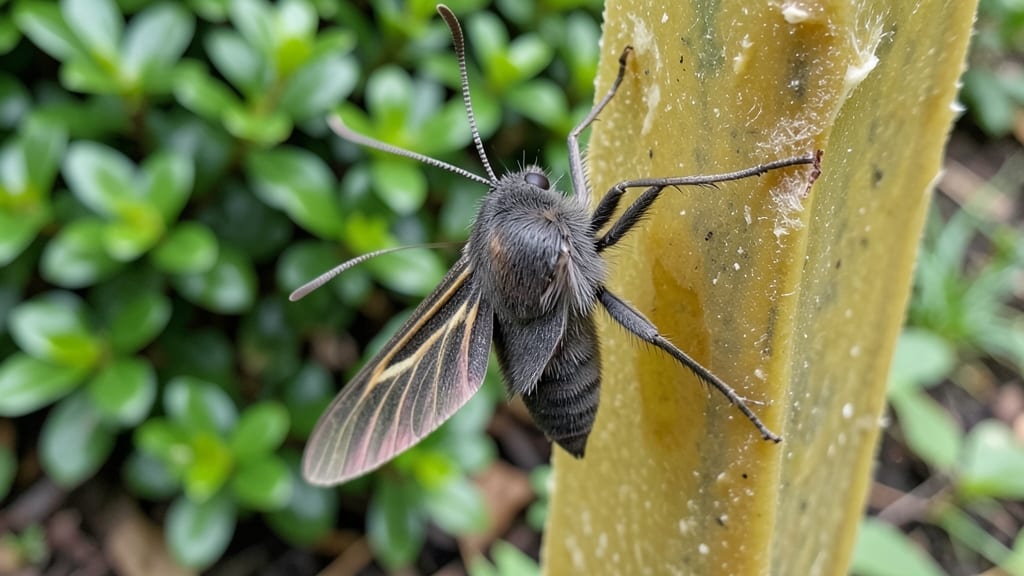
My boxwoods nearly became a skeleton garden last year—until I set up a box tree moth pheromone trap and caught the infestation before it spread. 🌿 These traps don’t just detect the moths early; they disrupt mating cycles, cutting infestations at the source when placed correctly.
You’ll need just one trap per 100 square feet of boxwoods, hung between 4-6 feet high in the outer canopy by late spring. The traps work best when combined with pruning damaged foliage—never compost it—and monitoring for fresh egg clusters on new growth.
I’ve seen traps reduce caterpillar populations by 80% in a single season when used consistently.
What you’ll gain is peace of mind during peak infestation months (June through August) and boxwoods that stay lush and green, not stripped bare. The traps are reusable for 2-3 seasons, making them a cost-effective long-term solution compared to chemical sprays.
For best results, pair traps with neem oil sprays on young larvae and inspect plants weekly for webbing or skeletonized leaves. This two-pronged approach is how I’ve kept my boxwoods thriving for three years now—no more panic in July.
📚 In This Guide
- What you need
- Instructions
- Tips and common mistakes
- Wrapping up and next steps
What you need
- ● Pheromone trap kit: Choose a commercially available box tree moth-specific pheromone trap (e.g., Buxus moth trap). Ensure it includes: 1 x trap housing (clear plastic or mesh)
- ● 1 x pheromone lure (replace every 4–6 weeks)
- ● 1 x collection container (for moths)
- ● Sturdy pole or stake: At least 6–8 feet tall (wooden or metal) to hang the trap above foliage.
- ● Trap mounting hardware: S-hooks, zip ties, or a trap hanger (depending on the kit).
- ● Scissors or pruners: For trimming branches if needed to access trap placement.
- ● Notebook & pen: To log trap checks, moth counts, and dates.
- ● GPS or mapping app: To mark trap locations in your yard for easy reference.
- ● Camera or smartphone: For documenting moth activity or damage over time.
- ● Gloves: To handle traps or moths without irritation.
- ● Extra pheromone lures: Stock up to avoid last-minute shortages.
- ● Weatherproof storage box: To keep traps and lures dry when not in use.
How to install a box tree moth pheromone trap for early detection
This system catches moths before they lay eggs—here's exactly how to set it up for maximum effectiveness.
🪴 Step 1: Select the Right Trap Location
Position traps at least 15-20 feet apart around your boxwoods, focusing on areas with dense foliage or where you've noticed previous damage. I always place them about 5-6 feet above ground—this matches the moths' natural flight path and ensures they enter the trap rather than flying around it.
Choose locations with some wind protection, like near a building wall or under tree canopies. The pheromone lure works best when moths are actively flying, so avoid placing traps in completely sheltered spots where airflow is minimal. You'll see the most activity during warm afternoons when temperatures exceed 65°F.
🌿 Step 2: Install the Trap Properly
Hang the trap using the provided hook or wire, ensuring the entrance funnel faces slightly downward at a 45-degree angle. This angle prevents rain from entering while still allowing moths to fly in. Secure the trap tightly—if it sways in wind, moths will avoid it entirely.
Check that the trap is level and the pheromone lure is properly inserted according to the manufacturer's instructions. I've found that replacing lures every 4-6 weeks maintains optimal effectiveness, especially during peak flight seasons (spring and fall). The lure should be clearly visible through the trap's entrance.
⏰ Step 3: Monitor and Maintain the Trap System
Inspect traps weekly during active flight seasons, more frequently if you've seen moth activity. Remove any dead moths from the trap's collection chamber immediately—their scent can deter new moths from entering. I use a small vacuum attachment to clear out debris without damaging the trap structure.
Record the number of moths caught each week to track population trends. A sudden spike in catches indicates an impending infestation, giving you time to implement additional control measures. Replace the trap's collection bag or liner every 2-3 weeks to prevent odors from building up and repelling moths.
💧 Step 4: Combine With Other Prevention Measures
While the pheromone trap catches male moths, pair it with other controls for complete protection. Apply a horticultural oil spray to boxwoods in early spring before buds open, and repeat every 2-3 weeks during active growth. The oil smothers eggs and young larvae before they can cause damage.
Prune out any heavily infested branches immediately and dispose of them in sealed bags. Never compost infested plant material—this spreads eggs and larvae to other areas. I've seen entire boxwoods recover from early detection, but missed infestations can lead to complete defoliation within weeks.
Tips & tricks for maximum box tree moth trap effectiveness
Here's what I've learned after years of battling these destructive pests—these details make all the difference between catching a few moths and creating a full-scale defense system.
Optimal Trap Placement Strategy: The 15-20 foot spacing between traps might seem generous, but it's crucial for even coverage. I've found that placing traps in a grid pattern rather than randomly creates overlapping detection zones. For larger properties, consider adding extra traps along property lines where moths often enter from neighboring yards. The 5-6 foot height is non-negotiable—this matches the moths' natural flight corridor through boxwood foliage.
Seasonal Timing Insight: While the 65°F temperature threshold is correct, I've discovered that moth activity actually peaks when daytime highs reach 75°F or above. This is when you'll see the most consistent catches. In cooler climates, you might need to extend your monitoring season by 2-3 weeks on either side of the typical spring/fall windows mentioned in Step 2. The pheromone lures work best when temperatures are consistently above this threshold for at least 3 consecutive days.
Lure Replacement Logic: The 4-6 week lure replacement schedule is perfect for most climates, but I've learned to adjust based on capture rates. If you're catching more than 5 moths per week consistently, replace lures every 3-4 weeks instead. The chemical potency degrades faster when moth populations are high. Pro tip: Keep spare lures on hand—some brands can have 3-4 week lead times for replacements during peak seasons.
Monitoring System Upgrade: While weekly inspections are standard, I recommend adding a digital counter to your trap setup. These inexpensive add-ons (available from pest control suppliers) automatically tally moth catches and can alert you via text when moth numbers spike suddenly. This early warning system lets you respond to potential infestations before they become visible to the naked eye in your boxwoods.
Pro Tips for Box Tree Moth Pheromone Trap
- Here's what I've learned after years of battling these destructive pests—these details make all the difference betwee...
- Optimal Trap Placement Strategy: The 15-20 foot spacing between traps might seem generous, but it's crucial for even ...
- Seasonal Timing Insight: While the 65°F temperature threshold is correct, I've discovered that moth activity actually...
Frequently asked questions
When is the best time to set up a box tree moth pheromone trap?
Deploy traps early in spring (March–April), before adult moths emerge. For year-round monitoring, consider a second trap in late summer (August–September) to catch overwintering adults. Timing is critical—delaying risks missing the first generation of moths.
How do I know if my trap is working?
Check traps weekly for captured moths. A working trap should catch 1–5 moths per week during peak activity (May–July). If no moths appear after 2–3 weeks, relocate the trap to a denser boxwood area or increase trap height (6–10 ft).
What should I do if I find moths in my trap?
Captured moths confirm infestation. Dispose of them immediately (drown in soapy water or burn) to prevent escape. Do not reuse traps—replace lures every 4–6 weeks or when traps lose effectiveness. Monitor nearby boxwoods for white egg masses or defoliation.
Are pheromone traps a substitute for pesticides?
No—traps are for early detection and monitoring, not eradication. Pair them with pruning infested branches, beneficial nematodes, or Bt (Bacillus thuringiensis) sprays for severe cases. Traps alone won’t stop spread but help time treatments effectively.
Should I keep traps up in winter?
Remove traps in fall (October–November) to avoid trapping overwintering moths prematurely. Store traps in a cool, dry place and replace lures in early spring. Winter monitoring isn’t necessary unless you’ve had repeated infestations.
Wrapping up and next steps
Protecting your boxwoods from the box tree moth doesn’t have to be overwhelming—early action with a pheromone trap can make all the difference! 🌿 By following these steps, you’ll create a proactive defense system that safeguards your landscape while keeping costs low. Start trapping now—your trees (and future pruning efforts) will thank you!
Ready to take the next step? Set up your trap today and monitor it regularly. If you spot moths, act fast—consult local experts or extension services for tailored advice. Your green thumb can win this battle!