
Trees
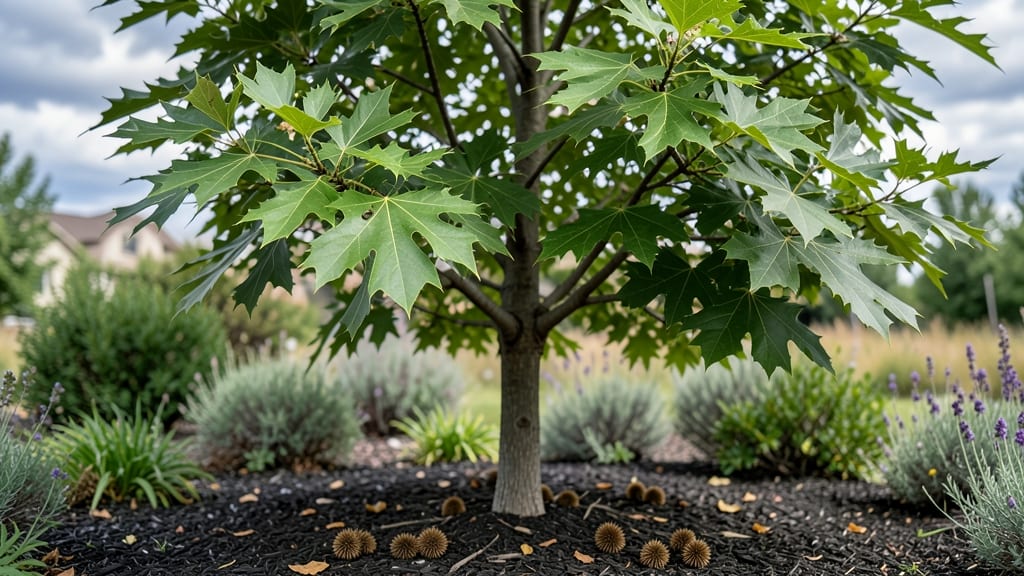
Growing buckeye trees in Colorado requires selecting cold-hardy varieties like the Yellow Buckeye or Bigleaf Maple-adapted hybrids, planting them in well-drained soil with full sun exposure, and using winter mulching to shield roots from harsh mountain winters.
Colorado’s USDA zones 4-7 demand special attention when planting buckeye trees, as their native range typically includes milder climates. 🌲 The Yellow Buckeye, for example, can withstand temperatures down to -20°F, making it ideal for the Front Range, while hybrids bred with Bigleaf Maple traits offer even better resilience in higher elevations.
These trees also prefer slightly acidic to neutral soil—testing your garden’s pH before planting can prevent nutrient deficiencies that weaken cold resistance.
Proper site selection is just as critical. While buckeye trees love full sun, they thrive best in well-drained soil to avoid root rot during Colorado’s unpredictable spring thaws. In areas with heavy clay, amending the soil with compost or sand creates the perfect growing medium.
For winter protection, apply a 4-6 inch layer of mulch around the base after the first frost, but avoid piling it against the trunk to prevent moisture buildup that could lead to fungal issues.
💡 In This Article
- Cold-Resistant Buckeye Tree Varieties for Colorado Gardens
- Step-by-Step Guide to Planting Buckeye Trees in Colorado
Cold-resistant buckeye tree varieties for Colorado gardens
Colorado's USDA zones 4-7 present unique challenges for buckeye trees (Aesculus spp.), which typically thrive in milder climates. The Yellow Buckeye (Aesculus flava) stands out as the most cold-hardy native variety, capable of surviving temperatures as low as -20°F.
Its deep taproot system helps anchor it against strong Front Range winds, while its glossy, palmate leaves provide visual appeal even in winter's bareness. 🌟 For higher elevations (zones 5-6), consider Bigleaf Maple-adapted hybrids, which combine buckeye's ornamental value with maple's cold resilience, often reaching 30-40 feet at maturity.
The Ohio Buckeye (Aesculus glabra), another native option, tolerates -15°F but prefers moist soil, making it better suited for Colorado's eastern plains where water tables are higher. In contrast, the Red Buckeye (Aesculus pavia), with its striking scarlet flowers, struggles below 0°F and requires microclimates like sheltered valleys.
What sets these varieties apart is their leaf scarification mechanism—buds remain dormant until soil temperatures reach 50°F, preventing premature growth in Colorado's unpredictable spring freezes.
Microclimate matters more than elevation alone. Trees planted in Rocky Mountain foothills benefit from natural windbreaks created by surrounding pines, while those on the Front Range need extra protection from afternoon sun intensity.
The Yellow Buckeye, for instance, develops a thicker bark layer over time, acting like natural insulation against temperature swings. For urban gardens, dwarf varieties like the Bottlebrush Buckeye (Aesculus parviflora) offer 10-15 feet height with similar cold tolerance, making them ideal for patios and smaller landscapes.
One critical factor often overlooked is soil moisture retention. While buckeyes prefer well-drained soil, Colorado's dry summers can stress trees planted in sandy soils.
The Ohio Buckeye, for example, develops lateral roots that spread 3-5 feet wide to access moisture, while the Yellow Buckeye grows deeper roots to reach groundwater. This explains why they often thrive near creek banks or in areas with 20-30% organic matter in the top 12 inches of soil.
Seasonal color changes also vary by species. The Yellow Buckeye displays golden-yellow foliage in fall, while hybrids often show bronze or red tinges before leaf drop. This autumn display lasts 4-6 weeks longer in Colorado's high-desert climates compared to eastern states, creating extended seasonal interest.
The trade-off? These later-leafing varieties require 2-3 more weeks of dormancy in winter, which aligns perfectly with Colorado's 100-120 frost-free days per year.
For gardeners in zone 4 areas like Grand Junction, consider the Horse Chestnut (Aesculus hippocastanum), which tolerates -25°F but loses leaves earlier. Its white flower clusters and spiky seed pods offer dramatic contrast against Colorado's blue spruce backdrops.
The key difference? Horse Chestnuts develop shallower root systems, making them more susceptible to drought once established—always pair with 3-4 inches of mulch in early spring to conserve moisture.