
Pruning
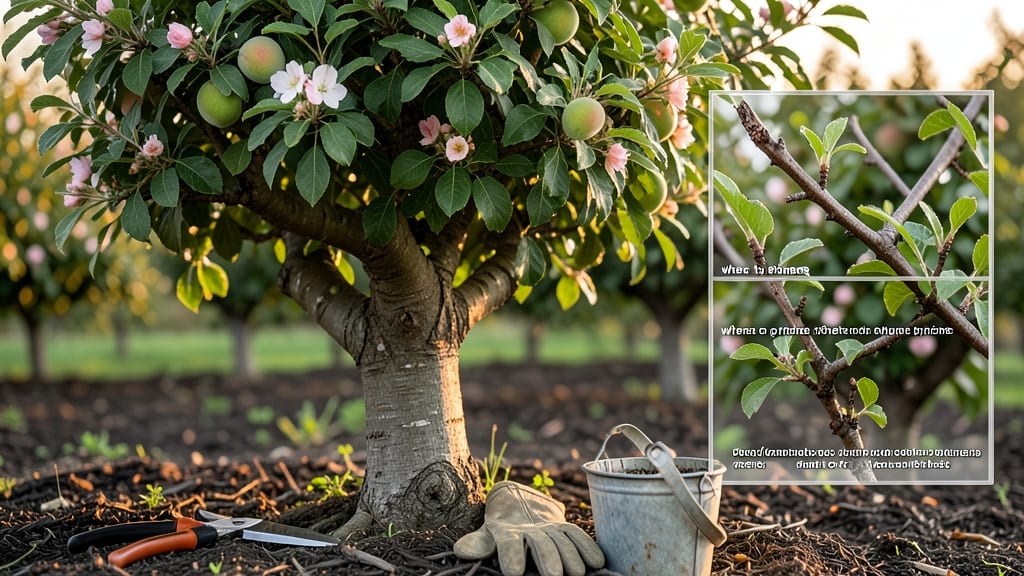
You can prune a peach tree after it blooms only for minor maintenance like removing dead wood or crossing branches—heavy pruning risks cutting off next year's flower buds and reducing fruit production.
Peach trees set their flower buds during the previous growing season, meaning aggressive trimming after blooms can remove potential fruit clusters before they even form. 🌸 The delicate balance between removing damaged branches and preserving energy for fruit development is why most experts recommend waiting until late summer or early fall for major pruning.
Light trimming to improve airflow or remove diseased wood is still safe, but avoid cutting more than 10-15% of the tree's canopy at this stage.
If you must trim after blooms, focus on removing only the most problematic branches—those that are dead, diseased, or rubbing against others. Use sharp, clean pruning shears to make clean cuts just outside the branch collar, and avoid cutting back more than necessary.
This approach minimizes stress on the tree while still allowing it to recover for the next growing season.
💡 In This Article
- Why Pruning Peach Trees After Blooms Harms Fruit Production
- Safe Post-Bloom Peach Tree Trimming Techniques
Why pruning peach trees after blooms harms fruit production
Peach trees develop their flower buds during the previous growing season, typically between late summer and early fall. These buds form on one-year-old wood, meaning they're already present before the tree blooms in spring.
When you prune after blooms, you risk cutting off these delicate buds that will produce next year's fruit. The tree's energy is already allocated to fruit development—removing branches disrupts this cycle and can reduce yields by up to 30-40% in the following season.
The timing of bloom-to-fruit development is critical. After flowers appear, it takes about 6-8 weeks for fruit to set and begin growing. During this period, the tree is in a high-energy state, focusing resources on fruit maturation rather than regrowing lost branches.
Aggressive pruning forces the tree to divert energy from fruit production to healing wounds, often resulting in smaller, fewer fruits or even complete fruit drop. 🌱 This is why arborists recommend waiting until late summer or early fall for major pruning—when the tree has finished fruiting and can safely regrow new wood.
The tree's dormancy cycle also plays a role. After blooming, peach trees enter a phase where they're preparing for the next growing season. Heavy pruning during this time can shock the tree, delaying bud formation for the following year.
Think of it like cutting back a plant right before it's supposed to flower—it's counterproductive. The tree needs time to recover and establish new growth before winter dormancy sets in, which is why post-bloom pruning should be minimal and strategic.
Energy allocation is another key factor. Peach trees prioritize fruit production over vegetative growth, especially in their first few years of bearing fruit. When you remove branches after blooms, you're essentially telling the tree, "Stop focusing on fruit and start growing new branches instead."
This shift can lead to reduced fruit size, lower quality, or even tree stress that makes it more susceptible to pests and diseases. The tree's natural response to pruning is to produce new shoots, which compete with existing fruit for nutrients.
Consider this example: A 5-year-old peach tree in full production might have 50-100 flower clusters on its branches. If you prune too aggressively after blooms, you could remove 20-30% of those clusters, directly impacting next year's harvest.
The tree's ability to compensate is limited, especially in regions with shorter growing seasons. This is why professional orchardists time their pruning so carefully—every cut is calculated to balance tree health and fruit production.
For those who must trim after blooms, the key is precision. Focus on removing only the most problematic branches—those that are dead, diseased, or crossing others. Even a 10% reduction in canopy can significantly improve airflow and reduce disease risk without majorly impacting fruit production.
The goal is to maintain the tree's overall structure while minimizing stress during this critical period. 🌿