
Trees
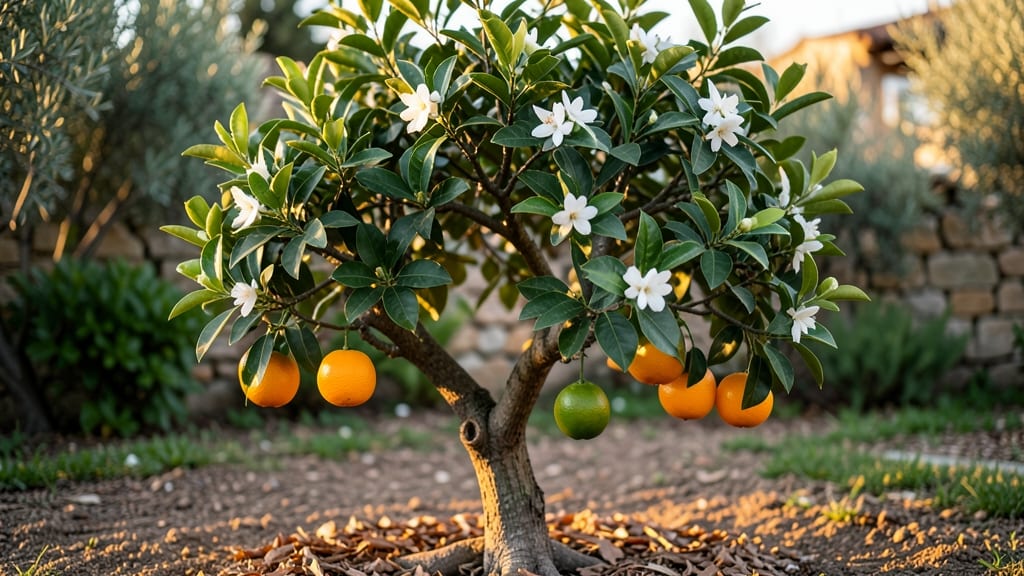
Those orange balls on your cedar tree aren’t just odd—they’re a clear sign your tree is under siege. 🌲 Whether they’re the gelatinous galls of cedar apple rust or the waxy shells of scale insects, these growths mean trouble if ignored.
The good news? Identifying them correctly is the first step to saving your tree.
Cedar apple rust produces bright orange, jelly-like galls that ooze spores in spring, while scale insects leave behind brown, crusty bumps that harden like tiny shields. Both thrive in humid conditions, so check your tree’s branches now—especially the undersides of leaves—and note whether the "balls" are sticky or dry.
This distinction determines whether you’ll reach for fungicide or insecticidal soap.
Pruning infected branches 12 inches below the galls removes the problem at its source, but for rust, a copper fungicide applied in early spring stops spores before they spread.
Scale insects respond to neem oil or horticultural oil sprays in late winter when they’re most vulnerable. The key is acting before next season’s growth begins.
Prevention starts with proper spacing between cedar trees and apple orchards (if you have them) and regular inspections after rain. Healthy trees resist pests better, so water deeply during dry spells and fertilize in early spring.
With the right approach, your cedar can bounce back—stronger and pest-free—by next growing season.
Nature’s Citrus Seed Surprise
Those tiny, vibrant orange balls clinging to your cedar tree aren’t just a quirky oddity—they’re a fascinating result of nature’s seed dispersal strategy. But why do they appear in the first place? Let’s break down the science behind this citrusy puzzle.
Cedar trees (like Juniperus species) aren’t citrus trees, but their orange "berries" are actually fleshy cones that develop when pollen fertilizes the ovules.
Here’s the twist: if pollen from a nearby citrus tree—like an orange, tangerine, or mandarin—lands on the cedar’s female cones, the tree’s genetic code misinterprets the pollen as its own.
This hybrid confusion triggers the production of arils (the juicy, orange coating), mimicking the look of citrus fruit to attract birds for seed dispersal.
Why it happens:
- 🌬️ Cross-pollination chaos: Wind or insects carry citrus pollen to cedar cones, confusing the tree’s reproductive system.
- 🍊 Genetic quirk: Cedar trees lack the enzymes to fully process citrus pollen, so they default to producing arils as a fallback.
- 🐦 Evolutionary trick: The bright orange color signals birds to eat and spread the seeds—even if they’re not "real" citrus.
These orange "berries" only appear in late summer to fall because:
| Factor | Why It Triggers the Effect |
|---|---|
| 🌡️ Temperature | Warm summer days (70–90°F) encourage pollen activity, while cooler nights (50–60°F) signal the tree to mature the cones. |
| 💧 Moisture | Moderate rainfall (1–2 inches/month) keeps cones hydrated, allowing aril development. Drought stress can prevent the orange coating from forming. |
| ⏳ Time Since Pollination | Citrus pollen must land on the cedar’s cones before the cones fully close (typically May–July). Late pollen = no orange balls. |
Pro tip: 💡 If you spot these "berries" in spring, they’re likely from last year’s pollination—they take 8–12 months to ripen!
A cedar tree’s health directly impacts whether it produces these hybrid cones. Here’s how:
🌿 Overwatering or Poor Drainage
Too much moisture can stress the tree, causing it to produce abnormal cones as a survival mechanism. The arils may appear paler or smaller in affected trees.
🍄 Fungal or Bacterial Infections
Pathogens like Phomopsis juniperovora (a common cedar fungus) can alter cone development. Infected trees may produce deformed orange cones with a mushy texture.
🐞 Pest Interference
Sap-sucking insects (e.g., spider mites or scale) weaken the tree, leading to stunted or discolored arils. Heavy infestations can even prevent cone maturation entirely.
Actionable fix: 🔧 If your cedar’s orange balls look off (shriveled, moldy, or lacking juice), check for pests or fungal signs like:
- 🕷️ Sticky residue on branches (aphid honeydew).
- 🍄 White or black fungal spots on cones.
- 🍃 Yellowing needles (sign of stress).
Next time you see those cedar tree orange balls, remember: it’s not just a fluke—it’s a botanical mix-up with a splash of citrus flair! 🍊🌲
Fixing and Preventing Cedar Tree Issues
If your cedar tree is producing those unusual orange balls (likely cedar apple rust galls), don’t panic—there are practical ways to manage the problem and keep your tree healthy. Below are targeted solutions based on the most common causes, along with easy-to-follow prevention tips to avoid future outbreaks.
If the orange balls are cedar apple rust galls (caused by Gymnosporangium fungi), the first step is to prune and dispose of them properly to prevent spread.
- 🔪 Trim infected branches in late fall or winter when the fungus is dormant.
Use sterilized pruners (wipe with rubbing alcohol between cuts) to avoid cross-contamination. - 🗑️ Bag and dispose of infected branches in sealed trash bags—do not compost them, as the fungus can survive. - 🌳 Focus on young, flexible branches first, as they’re easier to remove without damaging the tree.
Pro Tip: 💡 If the infestation is severe, consider consulting an arborist—they can assess whether the tree needs deeper treatment.
A stressed cedar tree is more susceptible to fungal infections. Strengthening its defenses can reduce future outbreaks.
- 💧 Water deeply but infrequently—cedars prefer dry conditions, but prolonged drought weakens them.
Aim for 1–2 inches of water per week during dry spells. - 🌱 Mulch properly with wood chips or pine straw (keep mulch 2–3 inches thick and 6 inches away from the trunk to prevent rot). - ☀️ Ensure full sunlight—cedars thrive in sunny, well-drained spots.
Avoid planting them in shady or waterlogged areas.
Pro Tip: ✨ Avoid over-fertilizing—cedars are low-maintenance and don’t need extra nutrients unless soil tests show a deficiency.
For severe or recurring infections, a fungicide treatment can help. However, prevention is key—only treat if you see active rust growth in spring.
- 🍄 Use a copper-based fungicide (like Copper Soap or Bordeaux Mixture)—these are organic and effective against rust fungi.
- 🌱 Spray in early spring (before buds swell) and again after rain to protect new growth.
- ⚠️ Follow label instructions—overapplying fungicides can harm beneficial insects and soil microbes.
Pro Tip: 🌡️ Timing is critical—spray when temperatures are above 50°F (10°C) to avoid damaging the tree.
If your cedar keeps getting infected, switching to a resistant variety may be the best long-term solution.
- **🌲 Eastern Red Cedar (Juniperus virginiana) – Some cultivars, like ‘Skyrocket’ or ‘Wichita Blue’, show better resistance.
- 🌲 Western Red Cedar (Thuja plicata) – Less prone to cedar apple rust (though not immune).
- 🌳 Avoid planting near apple, crabapple, or hawthorn trees—these are common alternate hosts for the rust fungus.
Pro Tip: 🎯 Buy from reputable nurseries—healthy, disease-free saplings reduce the risk of future problems.
To stop the orange balls from returning, follow this simple prevention plan:
| Step | Action | When to Do It |
|---|---|---|
| 🌳 Prune regularly | Remove dead/diseased branches | Late winter/early spring |
| 💧 Water correctly | Deep watering, no soggy soil | Spring & summer (if dry) |
| 🌱 Mulch properly | 2–3" thick, 6" from trunk | Fall or spring |
| 🍄 Monitor for rust | Check for orange growth in spring | Early spring |
| 🛡️ Apply fungicide (if needed) | Copper spray before buds open | Late winter/early spring |
By taking these steps, you’ll reduce the risk of cedar rust and keep your tree strong and healthy** for years to come. 🌲💪
Frequently asked questions about cedar tree orange balls
Are cedar tree orange balls edible or safe for birds?
While cedar tree "orange balls" look like berries, they're not edible for humans—they're actually fleshy cones with a citrus-like coating. Birds love them! These arils help disperse cedar seeds, so leave them on the tree for wildlife. Just avoid eating them yourself—they lack the nutrients of true citrus fruit.
Why do my cedar tree's orange balls look different from others?
Variations in color, size, or texture often signal stress or disease. Healthy orange balls should be bright, firm, and juicy. If yours are pale, shriveled, or moldy, check for fungal infections (like cedar apple rust) or pest damage. Compare them to photos of normal cedar cones—differences often point to underlying tree health issues.
Can I grow cedar trees near citrus trees to get these orange balls?
Yes! These hybrid "citrus-like" cones form when cedar trees cross-pollinate with citrus pollen. To encourage them, plant cedars within 50 feet of citrus trees. The best time for cross-pollination is late spring when citrus trees release pollen. Just note: this only works with Juniperus species like Eastern Red Cedar.
How do I tell if orange balls are cedar apple rust vs. something else?
Cedar apple rust galls are gelatinous and orange-red, often oozing spores in spring. They appear on branches, not just cones. True cedar "berries" (arils) are dry, firm, and clustered at the branch tips. If you see sticky residue or fungal growth, it's rust—prune and treat immediately with copper fungicide.
Will removing orange balls harm my cedar tree?
No, removing healthy orange balls won't harm the tree—birds will still spread seeds. However, if they're diseased or deformed, remove them completely to prevent spread. For normal cones, you can leave them (they're beautiful in winter!) or collect them for crafts. Just avoid pruning during active growth seasons (spring to early summer).