
Diseases
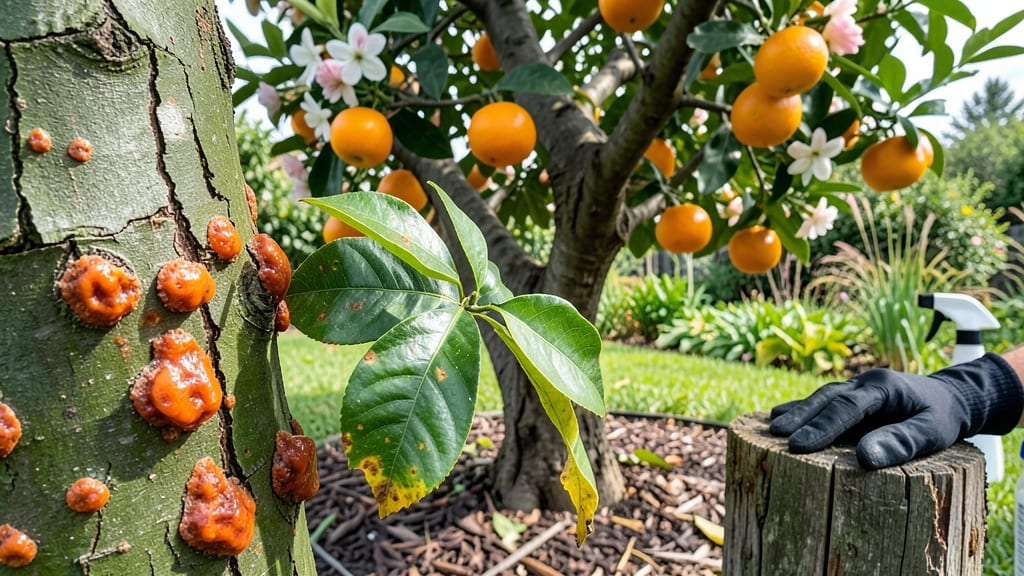
That bright orange powder coating your tree bark isn't moss—it's orange rust, a fungal infection that turns your yard into a rusty mess if you ignore it. 🌳 I've seen it transform healthy-looking fruit trees into skeletal shadows overnight, but there's hope if you act fast.
The key is identifying the right species first, because not all orange rust is created equal.
This fungus thrives on specific trees—hawthorns, junipers, and apples are common targets—but it jumps between hosts. The orange spores you see? That's the fungus's way of spreading to new trees via wind or splashing water.
The good news is organic treatments work, but timing matters: prune infected branches in dry weather and apply copper fungicide before next spring's spores take flight.
You'll see results within 2-3 weeks of consistent treatment: fresh green leaves pushing through, that orange dust fading, and your tree looking like it's fighting back. The secret weapon is prevention—removing fallen leaves and monitoring your trees every spring keeps this fungus from gaining a foothold.
When to call an arborist? If more than 30% of your tree's branches are covered or the bark starts cracking, it's time for professional help. Otherwise, this is a battle you can win with elbow grease and the right organic approach.
Root Causes of Bark Discoloration
Orange rust on tree bark isn’t just an eyesore—it’s a fungal infection with specific triggers. Understanding these causes helps you address the problem before it spreads. Let’s break down the key factors behind this unsightly (and potentially harmful) condition.
The primary culprit behind orange rust is the fungus Gymnosporangium species, which thrives in moist, humid environments. These fungi release microscopic spores into the air, especially during spring and early summer when conditions are ideal.
When spores land on tree bark—particularly on susceptible hosts like junipers, hawthorns, or apple trees—they germinate and penetrate the bark’s surface. Once established, the fungus forms bright orange, gelatinous pustules (the "rust" you see), which release even more spores to infect nearby trees.
Why it matters: Wind, rain, and even garden tools can spread spores efficiently. If your yard has multiple host trees, the risk of infection skyrockets.
Fungi love water—literally. Orange rust spores germinate best when bark remains damp for prolonged periods. Heavy dew, frequent rainfall, or poor drainage around tree bases create the perfect breeding ground.
Even overhead irrigation (like sprinklers) can keep bark moist enough to encourage fungal growth. Additionally, wounding the bark—from pruning cuts, hail, or animal damage—gives spores an easy entry point.
Why it matters: Trees in shaded, low-lying areas or those with dense foliage (trapping moisture) are higher-risk targets.
Healthy trees with strong immune systems can resist fungal infections better. However, stress factors like nutrient deficiencies, drought, root damage, or competing plants (e.g., aggressive weeds stealing nutrients) weaken a tree’s ability to fight off pathogens.
Poor soil quality, compacted roots, or sudden environmental shocks (like extreme heat or cold) further compromise resilience.
Why it matters: A stressed tree isn’t just more susceptible to orange rust—it’s also more likely to suffer long-term damage, including leaf drop or dieback.
Orange rust fungi often have alternate hosts in their life cycle. For example, Gymnosporangium juniperi-virginianae alternates between juniper shrubs and apple trees. If an infected juniper grows near your prized fruit tree, spores will jump between them seasonally. Even dead or dying trees can harbor dormant fungal spores, ready to reactivate when conditions improve.
Why it matters: Removing or treating alternate hosts (like overgrown junipers) can drastically reduce reinfection risks.
While moisture is critical, temperature also plays a role. Most orange rust fungi prefer moderate warmth (60–80°F) to thrive. Early spring (when buds swell) and late summer (when humidity peaks) are peak infection windows. Sudden temperature swings—like cold snaps followed by heatwaves—can stress trees, making them more vulnerable.
Why it matters: Timing is everything. Monitoring your trees during these periods lets you act fast with preventative measures.
Unknowingly, gardeners can worsen orange rust outbreaks. Pruning infected branches without sterilizing tools spreads spores to healthy parts of the tree (or other plants). Even composting fallen leaves from infected trees can reintroduce spores to your garden. Poor sanitation—like leaving fungal debris on the ground—gives the pathogen a foothold for years.
Why it matters: A few simple steps (like cleaning tools with rubbing alcohol) can break the infection cycle.
Actionable takeaway: To stop orange rust, tackle all these causes—reduce moisture, boost tree health, remove alternate hosts, and practice smart garden hygiene. The key is early intervention before the fungus takes hold.
Fixing Fungal Bark Spots Naturally
Orange rust isn’t just unsightly—it weakens trees over time. The good news? With the right approach, you can stop the spread and restore your tree’s health using organic, chemical-free methods. Below, we’ll match common causes to targeted fixes, plus prevention tips to keep your trees thriving.
When damp bark stays trapped against the trunk, fungal spores thrive like a buffet.
How to Fix It:
- 🍃 Prune strategically – Trim overgrown branches to improve airflow around the trunk. Aim for a sunny, dry "bark collar" (about 12 inches up and down).
- 💦 Water wisely – Water early in the day (before 10 AM) so foliage dries quickly. Avoid overhead sprinklers near the trunk.
- 🌡️ Adjust mulch – Keep mulch 3–4 inches away from the trunk (not piled against it). Use straw or wood chips (not dense bark mulch, which holds moisture).
Prevention Pro Tip: 💡 Install tree guards (metal or plastic) around young trees to shield bark from splashing rain.
If orange rust patches are already spreading, you’ll need a two-pronged attack: removal + treatment.
How to Fix It:
- 🔪 Sterilize tools first – Clean pruners with 70% rubbing alcohol or a 10% bleach solution (1 part bleach to 9 parts water) to avoid spreading spores.
- 🌳 Remove infected bark – Scrape off rusty patches with a sterilized knife or wire brush, cutting ½ inch beyond visible spots. Dispose of debris in a sealed trash bag (not compost).
- 🍯 Apply organic fungicide – Spray affected areas with:
- Neem oil solution (1 tbsp neem oil + 1 tsp mild soap per quart of water).
- Baking soda spray (1 tbsp baking soda + 1 quart water + a few drops of soap).
- Copper fungicide (like Copper Sulfate 50) for severe cases. Reapply every 7–14 days until new growth appears.
Prevention Pro Tip: ✨ After treatment, seal the wound with pruning sealant (organic, like Tanglefoot Tree Wound Pruning Sealer) to block future spores.
Beetles, borers, or scale insects create entry points for fungus. A healthy tree fights rust better!
How to Fix It:
- 🔍 Inspect for pests – Look for sawdust-like frass (borer droppings), sticky sap (scale insects), or holes in bark. Common culprits:
- Emerald ash borer (metallic green beetles).
- Sirex woodwasps (long, saw-like ovipositors).
- 🛡️ Trap or treat pests:
- For borers: Apply beneficial nematodes (like Heterorhabditis bacteriophora) to soil.
- For scale/insects: Spray with soapy water (1 tsp castile soap per quart) or kaolin clay (a natural barrier).
- 🌱 Boost tree immunity – Feed with organic fertilizer (like fish emulsion or compost tea) in early spring to strengthen bark.
Prevention Pro Tip: 💪 Mulch with mycorrhizal fungi (available at nurseries) to help roots absorb nutrients and resist stress.
Over-fertilizing, herbicide drift, or drought stress can weaken bark, making it vulnerable.
How to Fix It:
- 🚫 Stop aggressive treatments – If you’ve used synthetic fertilizers or pesticides, switch to organic alternatives (like kelp meal or worm castings).
- 💧 Rehydrate the tree – Deep-water once a week (1–2 inches of water) during dry spells. Use a soaker hose near the drip line.
- 🌿 Shield from windburn – If your tree is exposed, wrap young trunks in tree wrap (remove in spring) to prevent cracking.
Prevention Pro Tip: 🌡️ Monitor soil pH (ideal: 6.0–7.0 for most trees). Test with a home kit and amend with lime (to raise pH) or sulfur (to lower it) if needed.
Keep orange rust from returning with these easy maintenance habits:
- 🌟 Inspect trees every 2–3 months for early signs (fuzzy orange patches, bark sloughing).
- 🍂 Clean up fallen leaves/debris in autumn (fungus overwinters here!).
- 🌳 Plant resistant species if possible (e.g., oak, maple, or hickory are less prone than fruit trees).
- 🌱 Avoid wounding bark – Use sharp tools for pruning to make clean cuts.
Final Note: 🎯 Patience is key—some trees recover in a season, while others need 2–3 years of consistent care. But with these steps, you’ll outsmart the fungus and keep your trees strong!
Frequently asked questions about orange rust on tree bark
What trees are most commonly affected by orange rust?
Orange rust primarily targets hawthorns, junipers, and apple trees, but it can also infect pear, cherry, and citrus trees. The fungus often jumps between different hosts—like juniper shrubs and apple trees—making nearby plantings especially vulnerable. If you see orange spores on one type of tree, check others in your yard too!
Is orange rust harmful to my tree's health?
Yes, if left untreated, orange rust can weaken trees over time by clogging bark pores and reducing their ability to absorb nutrients. While it rarely kills mature trees, severe infections may cause leaf drop, dieback, or fruit damage in fruit-bearing species. The good news? Early treatment stops the spread and helps trees recover within 2-3 weeks.
Can I safely remove orange rust by hand?
You can scrape off visible rust with a sterilized knife or wire brush, but be thorough—cut ½ inch beyond the orange patches to prevent regrowth. Never compost the debris, as spores can survive. Always wear gloves and sterilize your tools with 70% rubbing alcohol or a 10% bleach solution before and after use.
Will copper fungicide harm my tree or nearby plants?
When used correctly, copper fungicides like Copper Sulfate 50 are safe for trees and won’t harm most plants. However, apply it only to affected areas (not the entire tree) and avoid spraying during hot weather or when bees are active. For extra safety, choose organic options like neem oil or baking soda spray first.
How do I know if my tree needs professional help?
Call an arborist if more than 30% of your tree’s branches show signs of rust, the bark starts cracking, or you notice sap oozing from wounds. Severe cases may require injection treatments or structural pruning, which pros can handle safely. For minor infections, DIY organic methods work well!