
Trees
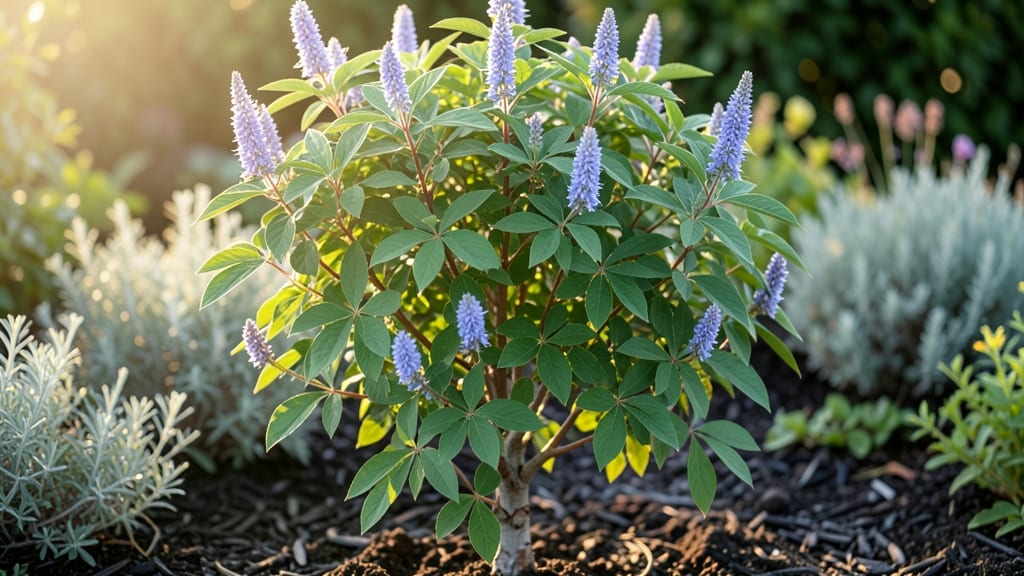
The chaste tree in Spanish is known as árbol de la castidad (tree of chastity) or vid de cuatro tiempos, with regional names like árbol de las brujas (witches' tree) or milagro. Its scientific name, Vitex agnus-castus, highlights its historical medicinal and folkloric significance.
The chaste tree's Spanish names reveal its deep cultural roots. Árbol de la castidad reflects its ancient reputation for balancing hormones, while vid de cuatro tiempos (vine of four seasons) nods to its year-round growth. 🌿 In some Latin American regions, it's called milagro (miracle) due to its traditional use in women's health remedies.
These names aren't just poetic—they reflect centuries of practical applications, from herbal medicine to spiritual symbolism in monastic communities.
What's fascinating is how these names vary by region. In Spain, you might hear hierba de la castidad, while Mexican folklore sometimes refers to it as árbol de las brujas (witches' tree), linking it to both healing and mystical traditions.
The botanical name Vitex agnus-castus itself translates to "chaste lamb," further emphasizing its historical association with purity and fertility regulation.
💡 In This Article
- Botanical and Cultural Names of Chaste Tree in Spanish-Speaking Regions
- Growing and Harvesting Chaste Tree (Vitex agnus-castus) in Spanish Climates
Botanical and cultural names of chaste tree in Spanish-speaking regions
The name árbol de la castidad (tree of chastity) originates from the plant's historical use in medieval Europe and Latin America. Monks and herbalists believed its berries regulated reproductive hormones, earning it a reputation for promoting "chastity" or balance.
The botanical name Vitex agnus-castus literally means "chaste lamb vine," reinforcing this association. 🌿 In practice, the tree's berries contain compounds like agnuside that interact with dopamine receptors, historically used to alleviate menstrual discomfort and hormonal fluctuations.
Vid de cuatro tiempos (vine of four seasons) reflects the chaste tree's remarkable adaptability. Unlike many temperate plants, it thrives year-round in Mediterranean and subtropical climates, producing purple berries in late summer that persist through autumn. This resilience made it a staple in Spanish colonial gardens, where it was cultivated for both medicinal and ornamental purposes. The name also nods to its four-part leaf structure, visible even in dried specimens.
Regional variations like árbol de las brujas (witches' tree) reveal the plant's dual reputation. While European monasteries valued it for its medicinal properties, indigenous communities in Latin America often used it in ritualistic practices.
The name milagro (miracle) in some areas stems from its perceived effectiveness in women's health remedies, where it was used to treat conditions from irregular cycles to menopausal symptoms. 🌟 These names weren't arbitrary—they encoded centuries of practical and spiritual knowledge.
The chaste tree's cultural significance extends to its role in Spanish folklore. In Andalusia, it was planted near convents to symbolize purity, while in Mexico, it was sometimes associated with protection against evil spirits.
The tree's hardy nature and fragrant purple flowers made it a favorite in traditional Spanish jardines de hierbas (herb gardens), where it was grown alongside rosemary and lavender for both practical and decorative purposes.
What's particularly interesting is how these names reflect the plant's dual nature—both as a medicinal remedy and a symbol of cultural identity. The scientific name Vitex itself comes from the Latin vitio, meaning "to twist," describing the tree's flexible branches.
This botanical detail, combined with its cultural names, creates a rich tapestry of meaning that goes far beyond its modern reputation as a herbal supplement. 🌿
In modern Spanish-speaking communities, the chaste tree remains a bridge between tradition and contemporary use. While some still call it árbol de la castidad for its historical associations, others refer to it simply as vitex in herbalist circles.
This linguistic evolution mirrors its journey from ancient remedy to modern supplement, carrying centuries of cultural significance with each name.