
Flowers
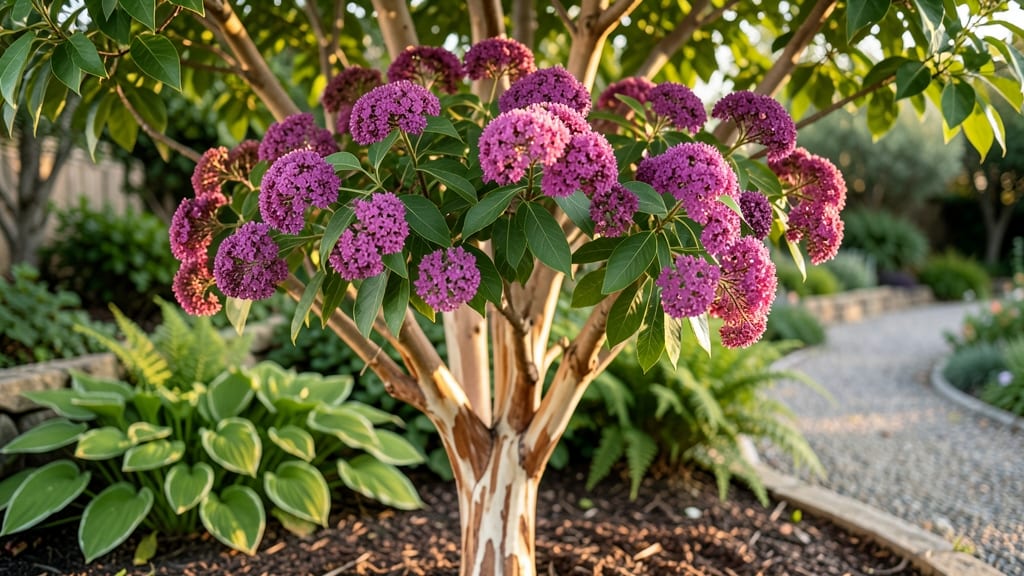
A tree with little purple flowers can transform your garden into a fragrant springtime paradise 🌸—and the lilac bush is the undisputed star of that show.
Imagine a fragrant, vibrant garden staple that bursts into clusters of delicate purple blooms every spring—lilac bushes are the timeless answer, but their care secrets often get overlooked. Whether you're planting a 6-foot dwarf or a towering 15-foot specimen, knowing the right spot and timing makes all the difference.
Lilacs thrive in USDA Zone 6a and beyond, where full sun and well-draining soil turn their branches into a scented cloud by April. But here’s the catch: skip the pruning basics, and you’ll end up with sparse blooms instead of lush, fragrant clusters.
In this guide, I’ll walk you through selecting the perfect variety, mastering the planting and pruning process, and keeping your lilac bush healthy for decades of springtime color—no guesswork required.
Identifying and selecting the best lilac varieties for purple flowers
When searching for a tree with little purple flowers, lilacs are the quintessential choice—offering fragrant blooms and effortless charm. Not all lilacs produce purple flowers, though, so selecting the right variety ensures your garden sparkles with vibrant purple blooms every spring.
The key lies in understanding each cultivar’s fragrance intensity, bloom time, and hardiness zones to match your climate and garden style.
Purple lilacs come in shades ranging from lavender to deep violet, with some varieties even boasting double blooms for extra drama. Whether you prefer early spring bloomers or late-season varieties, there’s a lilac perfect for your garden.
Let’s explore the top purple-flowering lilacs that will steal the show year after year.
🌸
| Variety | Bloom Time | Fragrance | Hardiness Zones | Height | Notes |
|---|---|---|---|---|---|
| 'Katherine Havemeyer' | Mid to late spring | Very fragrant | 3-7 | 8-12 ft | Classic purple blooms, disease-resistant |
| 'Mme. Lemoine' | Early to mid spring | Strong scent | 4-8 | 6-10 ft | Lavender-purple blooms, compact growth |
| 'Purple Robin' | Late spring | Moderate fragrance | 3-7 | 5-8 ft | Dwarf variety, deep purple blooms |
| 'Bloomerang' | Late spring to summer | Light fragrance | 4-8 | 6-10 ft | Reblooms in summer, purple-pink blooms |
| 'Dwarf Korean' | Mid spring | Very fragrant | 5-9 | 3-5 ft | Compact, dark purple blooms |
If you love the romantic scent of lilacs, 'Katherine Havemeyer' is a must-have. This variety produces large clusters of deep purple blooms in mid to late spring, with a fragrance so intoxicating it’ll draw bees and butterflies to your garden.
It thrives in USDA zones 3-7, making it versatile for most climates.
For a smaller garden or container planting, 'Purple Robin' is an excellent choice. This dwarf variety reaches only 5-8 feet tall but packs a punch with its deep purple blooms and moderate fragrance. It’s perfect for adding vertical interest without overwhelming your space.
If you’re dreaming of a reblooming lilac, 'Bloomerang' is the answer. Unlike traditional lilacs that bloom just once, this variety produces two flushes of blooms—once in late spring and again in summer. The purple-pink flowers add a soft contrast to your garden and extend your blooming season.
When selecting your lilac, consider your garden’s sunlight exposure. Most purple lilacs thrive in full
Step-by-Step lilac bush planting and pruning for maximum blooms
Transforming your yard with a fragrant lilac bush starts with proper planting and pruning. These purple-flowering shrubs thrive with the right care, rewarding you with clusters of sweet-smelling blooms every spring.
The secret? Planting in the right spot and pruning at the correct time to encourage robust growth and abundant flowers.
Lilacs love full sun exposure (at least 6 hours daily) and well-draining soil. If your yard has heavy clay or poor drainage, amend the soil with compost or sand to prevent root rot.
Choose a location with 6-10 feet of space between plants to allow airflow and prevent disease.
Step List: Planting and Pruning Lilac Bushes for Year-Round Beauty
- 🌱 Step 1: Choose the Right Time - Plant lilacs in early spring (March-April) or early fall (September-October) when soil is workable but not frozen.
- 🪴 Step 2: Dig the Hole - Make it twice as wide as the root ball but no deeper than the container. Loosen roots if pot-bound.
- 💧 Step 3: Amend the Soil - Mix compost or aged manure into native soil for nutrients. Avoid heavy fertilizers at planting.
- ✂️ Step 4: Prune at Planting - Trim 1/3 of old wood to encourage new growth. Use clean, sharp shears to avoid tearing.
- 🌿 Step 5: Water Deeply - Soak the root zone with 1-2 gallons of water immediately after planting. Mulch with 2-3 inches of wood chips to retain moisture.
- ☀️ Step 6: Summer Care - Water deeply weekly during droughts. Avoid fertilizing—lilacs bloom on old wood, not new growth.
- ⏰ Step 7: Fall Pruning - Remove dead or crossing branches after leaves drop. Never prune after July—it cuts off next year’s blooms.
Pruning is where many gardeners go wrong. Lilacs bloom on old wood, so never prune after July. Instead, focus on removing dead wood in late fall or winter.
For rejuvenation pruning, cut back 1/3 of old stems every 2-3 years to stimulate new growth and denser blooms.
If your lilac stops flowering, it may need renewal pruning. In late winter, cut all stems back to 6-12 inches tall. This drastic measure encourages vigorous new growth and fuller blooms the following spring. Just be patient—it may take 1-2 years for the bush to recover.
With the right planting location, pruning schedule, and minimal fertilizer, your lilac will reward you with fragrant purple blooms for decades. The key? Less is more—avoid over-fertilizing and never prune too late in the season.
🌷